Blog

Seedance 2.5: Complete Prompting Guide (Full Prompt Library)

HiggsfieldAug 13, 202615 min
Seedance 2.5: Complete Prompting Guide (Full Prompt Library)

Most Seedance 2.5 prompts only ever get run once, so there's no real way to know if they'd hold up a second time. This is a library of 10 strong prompt categories: drama, action, commercial, horror, and more. Each category was tested across multiple generations to see which prompt structures held up consistently. This guide explains what Seedance 2.5 can do, how to structure a prompt for it, and what we learned from the tests.

What Is Seedance 2.5

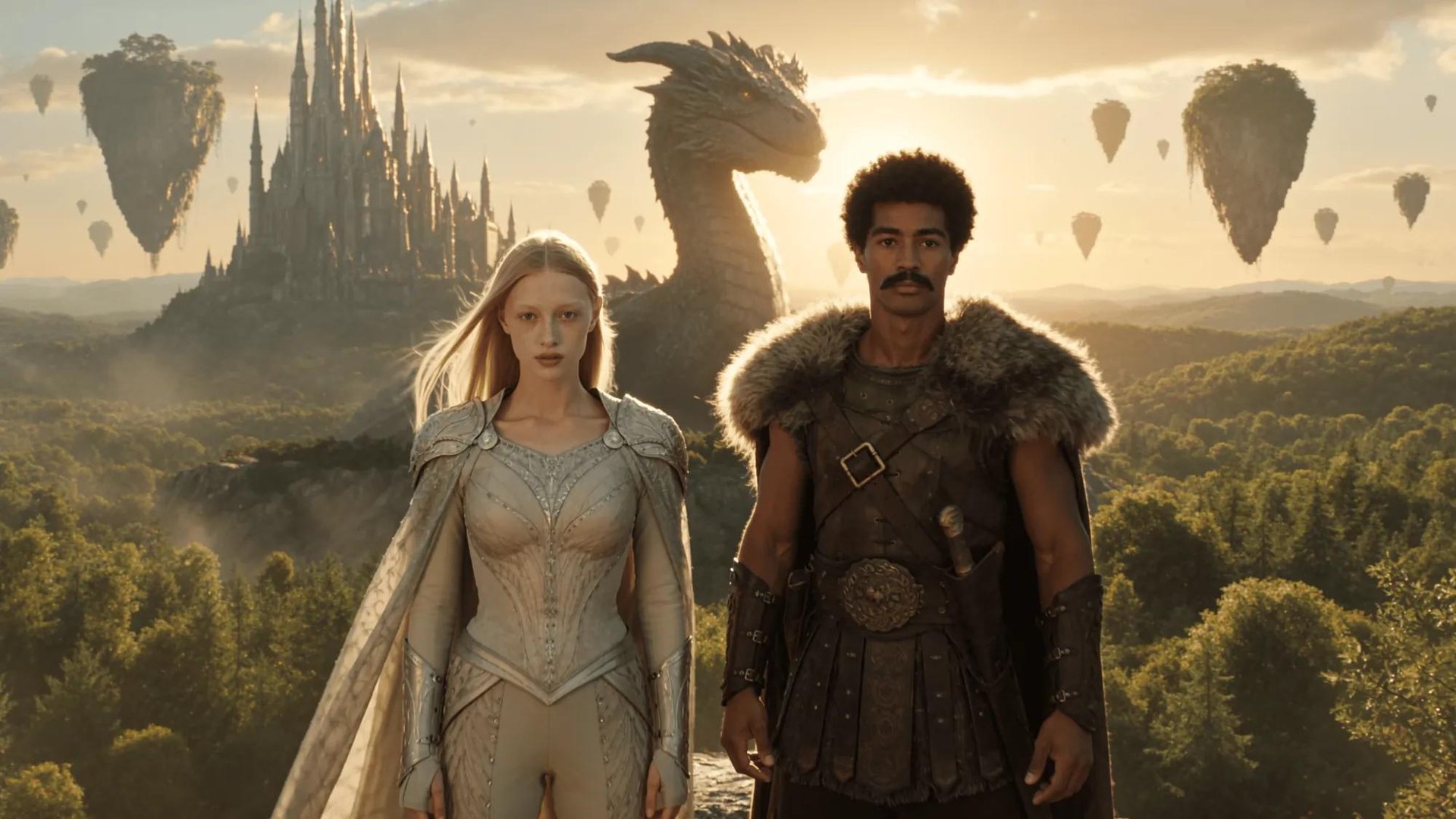
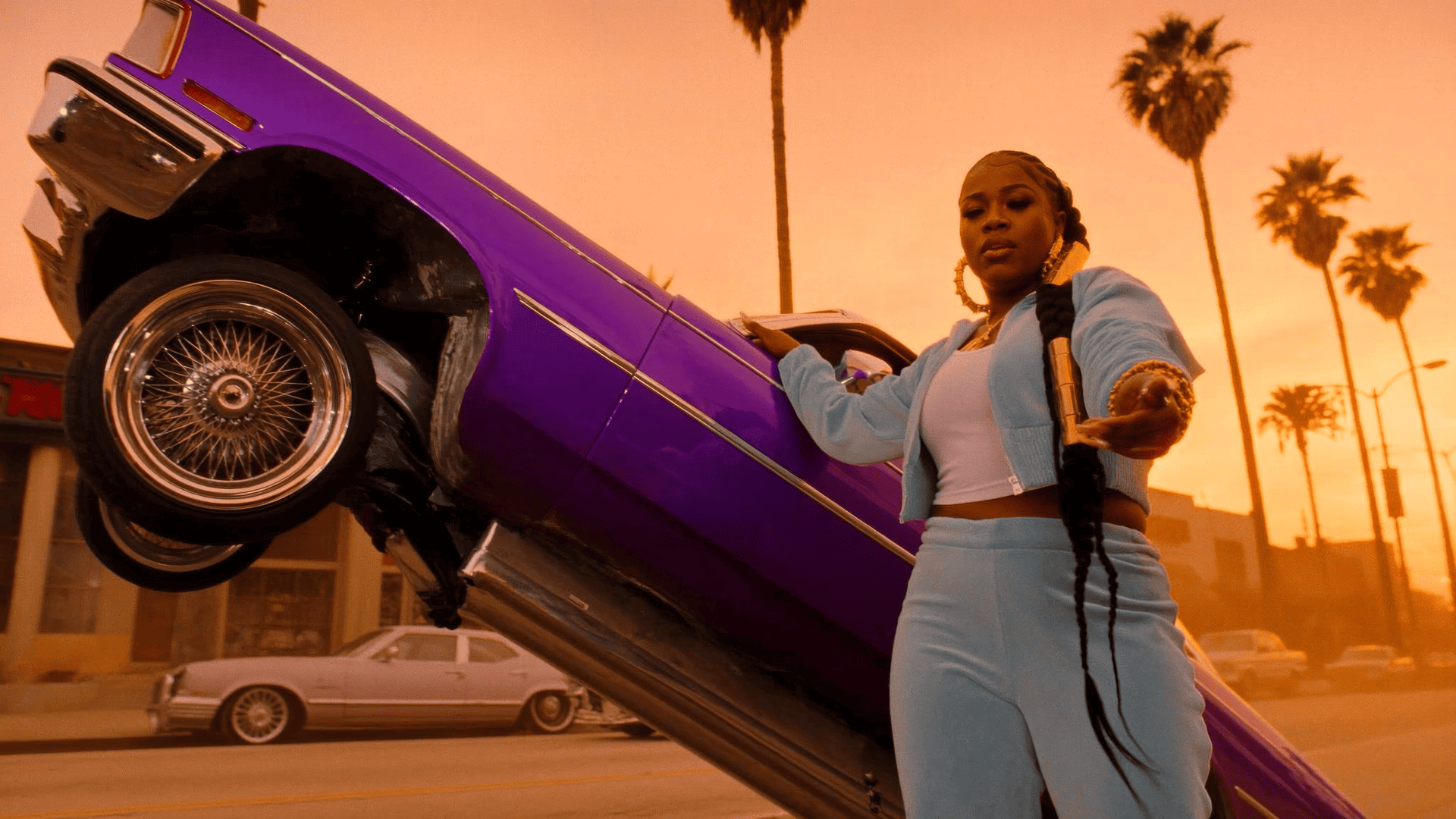
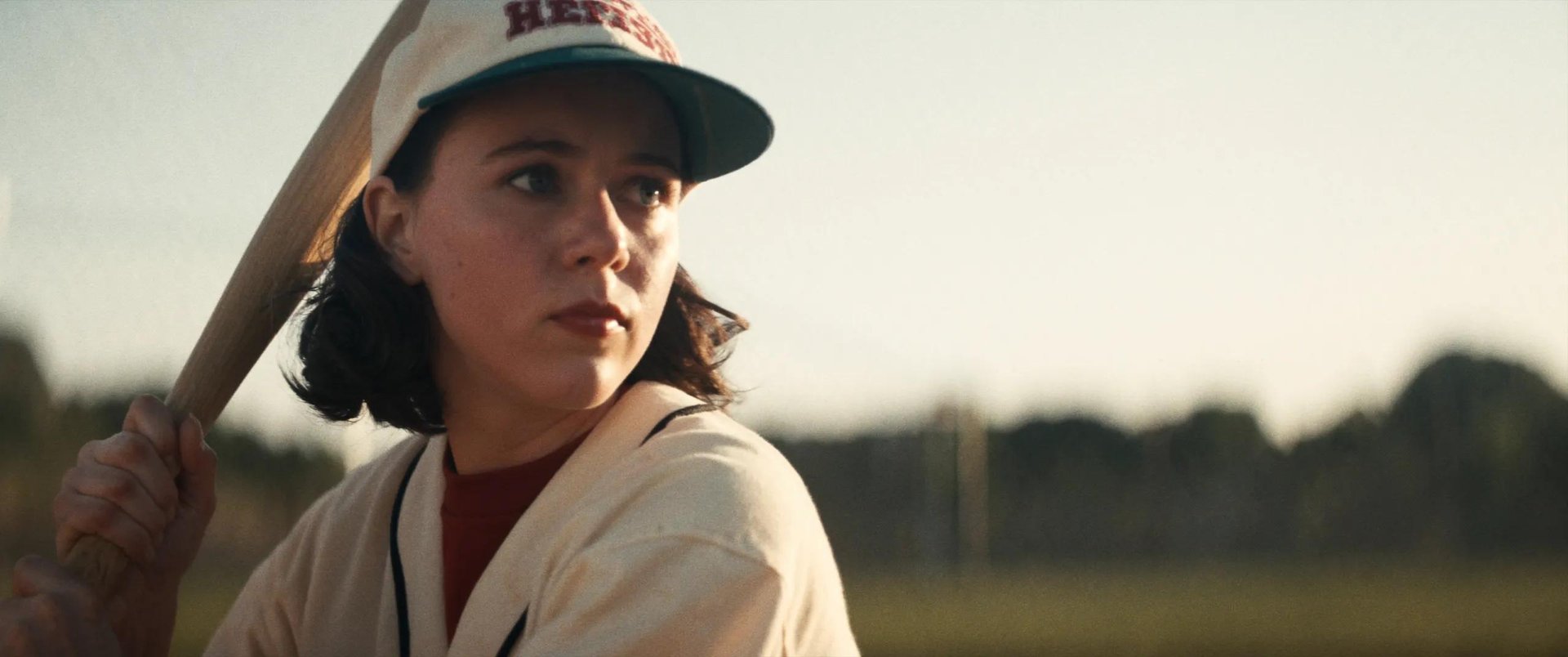
Seedance 2.5 is ByteDance’s video generation model for clips up to 30 seconds, with native audio, up to 50 multimodal references and region editing. The model generates natively up to 1080p, in clips up to 30 seconds long.

Pick the genre, the era, the lighting angle, the physics, the lens, even how a character's emotion should read, all before generation starts. Up to 50 reference images can go into a single generation too, locking a face, an outfit, a location, or a color palette in place before a single frame renders. And if one detail still comes out wrong, region edit fixes just that spot without forcing a full re-render of the clip.

What Is Seedance 2.5

Setting

What It Controls

Genre selector

Sets pacing, contrast, and camera behavior for the whole shot

Era selector

Shoots in any decade from the 1960s to the 2020s, grain, color response, and lens character shift to match

Soul Hex Engine

Locks the color palette to exact hex values, pasted or pulled from a reference image

Lighting selector

Chooses the light source, golden hour, hard key, practicals, moonlight, and moves the angle by hand

Camera settings

Chooses lens and body, 24mm, anamorphic, macro, depth of field and distortion follow the optics

Emotional control

Dials performance from calm to dread, framing and color temperature shift with it

Physics selector

Sets world physics, realistic, superhero, hyperbolic, scaling weight, speed, and impact

References

Up to 50 images or clips in one generation, for faces, locations, products, or style

Seedance 2.5: Complete Prompting Guide (Full Prompt Library)

Spec

Detail

Native resolution

Up to 1080p

Max clip length

Up to 30 seconds

Aspect ratio

Any ratio from vertical 9:16 to widescreen 21:9

Audio

Ambience, foley, and score generated in the same pass as the video

Character consistency

Holds identity, wardrobe, and lighting across shots from a single reference

How to Write a Strong Prompt for Seedance 2.5

A prompt works best as one continuous block of text, broken into labeled sections. Skip a section and the output tends to fail in a specific, predictable way.

GLOBAL STYLE comes first: genre, color grade, film stock or digital look, aspect ratio, shutter behavior, and anything that shouldn't appear. Everything after this section needs to match it.

SCENE is a one-line logline, what's happening, where, in what mood. Save the detail for later sections.

CHARACTERS describes every person in the shot: face, hair, build, wardrobe. If a reference image already covers this, just note which reference is which character.

LOCATION covers the space and its props, separate from the people in it. A vague location is the most common reason a multi-shot sequence starts drifting between cuts.

FIRST FRAME AND BLOCKING pins down exact starting positions, who's where, facing which direction, right as the clip begins. This gives the model something fixed before any motion starts.

The shot-by-shot breakdown comes next, each one labeled "Shot 1", "Shot 2", and so on, with the shot type and action in a sentence or two, ending in "Hard cut" wherever a cut belongs. Pacing gets built here, not in a separate field.

OPTICS and CAMERA describe the lens and camera movement for each shot: focal length, camera height, handheld or dolly or crane.

PHYSICS covers how fabric, smoke, hair, and liquid should move, anything that would look off moving like a solid object.

LIGHTING goes further than GLOBAL STYLE on the light source: where it's motivated from, its direction, how it falls on faces or surfaces.

AUDIO comes last: ambient noise, specific sound effects, and what shouldn't be there, usually "No music, no discernible dialogue" unless the scene needs otherwise.

Most working Seedance 2.5 prompts follow the same shape: one visual rule at the top, one sound rule at the bottom, and everything in between broken into shots.

10 Prompts in Practice

We tested each category a few times each to see if the same setup keeps working, or if it only looks good the first try. Below, for every category: the model, the settings we used, the actual prompt, and the video it produced.

Dramatic Exterior: Human Subject, Available Light

Settings: Genre: Drama. Lighting: Golden hour, single motivated source. Emotional control: Grief held beneath composure. Camera: Anamorphic large-format, mixed wide and close coverage.

Why this combination: Drama holds shots longer than most genres, so the two-person scene has time to play out. Golden hour keeps the light the same across every segment without describing the sun's position in each one. The wide shots in Segments 1 and 5 hold the ocean and the couple together in one frame. The closer lenses in Segments 2 and 3 stay on each face for the two lines, with the background soft and out of the way.

Prompt used:

Golden hour on a cold rocky shore. A young man and a young woman sit side by side wrapped in wool blankets, facing the low sun over the sea, both with tears standing in their eyes. She turns and tells him she will always love him; he looks down, looks back, smiles softly and sadly, answers, and they both return their gaze to the sea. Waves break on the rocks below them the whole time. CHARACTERS: THE MAN, late 20s, lean build, weathered light skin flushed at the nose and cheekbones from the cold wind, short dark brown hair blown messy, light stubble, grey-green eyes with heavy lower lids, a strong straight nose. Wrapped shoulders-to-hips in a heavy charcoal wool blanket with a frayed edge, a cream cable-knit sweater collar showing at his neck, dark trousers, worn leather boots braced on the rock. Hands hidden inside the blanket. No logos, no readable text on anything. A wholly original, invented face. THE WOMAN, always on the man's LEFT side: mid-20s, slight build, long chestnut wavy hair whipping loose in the wind, light freckles across the nose, hazel eyes, lips chapped pale from the cold. Wrapped shoulders-to-hips in an oatmeal wool blanket with a woven fringe, a rust-colored knit sweater collar showing, dark jeans, ankle boots. Hands hidden inside the blanket. No logos, no readable text. A wholly original, invented face. Only these two people exist in the entire video. No other figures, no boats, no birds close to camera, no animals on the rocks. LOCATION: A rocky northern shoreline at golden hour, the sun four degrees above the sea horizon in the west, minutes from setting. The couple sits shoulder to shoulder on a flat dark rock shelf two meters above the waterline, facing west, directly into the sun. Below and ahead of them, five to eight meters out, a scattered line of wet black boulders takes the breaking waves. The rock is dark basalt grey, wet and glistening on its seaward faces, dry and matte where they sit, with pale barnacle crusts at the waterline and pockets of coarse sand between stones. Cold onshore wind blows from the sea into their faces. The sky is clear amber gold near the sun grading to pale cool blue overhead, the sea is dark steel blue scattered with thousands of golden glints. No buildings, no people, no signage, nothing readable anywhere. SEA AND WIND EVENT TRACK: The sea is an event track, not a texture. Wave impacts arrive at irregular intervals, no two identical. 0.0s, mid swell rolling in, leftover foam draining through the channels between rocks. 1.2s, WAVE 1 strikes the forward boulders, bursting spray to 12 percent of frame height, the cloud drifting inland toward the couple on the wind. 2.4s, GUST 1, hair and the free edges of both blankets lift and snap once, then settle. 3.9s, WAVE 2, smaller, striking the offset rocks screen left, 6 percent. 5.0s, WAVE 3, 8 percent, its hiss fading out just before she speaks, a relative lull holds under her line. 7.6s, GUST 2, the strongest of the shot, both bodies brace a degree into it. 9.6s, WAVE 4, 10 percent, its backlit spray drifting as golden mist through the background of his close-up. 12.4s, WAVE 5, 7 percent. 13.8s, WAVE 6, the largest, 14 percent, a low thud felt through the rock, tall golden spray hanging a beat in the backlight. FORMAT MODE: Controlled five-segment sequence, four HARD CUTs, 15.0 seconds total. Real-time motion. Continuous ambient sound across all cuts. Exactly two scripted spoken lines, nothing else spoken. No music, no narration, no subtitles. STILLNESS LOCK: Both remain seated on the rock shelf for the entire video. Nobody stands, nobody hugs, nobody kisses, nobody's hands leave the blankets. Both keep tears standing in their eyes for the whole film, exactly one tear falls, hers, at 13.2s. FIRST FRAME AND SPATIAL BLOCKING, SEGMENT 1: Camera behind the couple looking west. THE WOMAN seated screen-left, x 42%, head at y 44%. THE MAN seated screen-right, x 58%, head at y 42%. Both backs to camera, both faces aimed at the horizon. Reverse-angle note for Segments 2, 3 and 4: with the camera crossed to the seaward side, THE WOMAN appears screen-RIGHT and THE MAN screen-LEFT. They never swap sides. CAPTURE FORMAT AND OPTICS: Shot on IMAX 15-perf 65mm color negative with Panavision System 65 anamorphic optics, 2x horizontal squeeze, unsqueezed in post. LENS LOCK: Segments 1, 5 at 47°, deep focus holding the couple, the breaker rocks and the sun. Segments 2, 3 at 29°, short telephoto portrait, camera 4 meters from the face, aperture wide open, thin focus with the sea dissolved into drifting golden oval bokeh. Segment 4 at 29°, two-shot, camera 5 meters back, both faces in the same focus plane. CAMERA: Segment 1, heavy IMAX body on a wheeled dolly at 1.2 meters, traveling forward 2 meters, constant slow speed. Segments 2, 3, 4, reverse angle from the seaward rocks, shoulder-mounted with large-format weight. Segment 5, same axis as segment 1, dollying slowly backward 1 meter. ACTION TIMING: 0.0s to 3.0s, SEGMENT 1, wide from behind, dolly-in. Both already seated, WAVE 1 bursts at 1.2s, GUST 1 lifts her hair at 2.4s. HARD CUT. 3.0s to 7.2s, SEGMENT 2, her close-up. At 5.4s she says, soft and unsteady: "I will always love you." HARD CUT. 7.2s to 11.6s, SEGMENT 3, his close-up. At 10.6s he says, quiet and rough: "Me too." HARD CUT. 11.6s to 13.4s, SEGMENT 4, two-shot. At 13.2s a single tear breaks from her right eye. HARD CUT. 13.4s to 15.0s, SEGMENT 5, wide from behind, pull-back. WAVE 6 thuds at 13.8s, their shoulders settle together at 14.2s, the only touch in the film. PHYSICS: Every wave follows the event track, surge, impact, burst, ballistic spray bending inland with the wind. Hair strands whip, tangle and release, never static. Tears behave physically, a trembling meniscus held at the lash line, the single falling tear at 13.2s obeys gravity and skin, bent slightly by the wind. LIGHTING: One real source, the sun, four degrees over the sea, warm deep gold, unmoving for the full 15 seconds. Against it, a cool pale blue skylight fill from above. Segments 1 and 5, from behind, the couple reads as two dark wrapped shapes rimmed in gold. Segments 2, 3, 4, frontal, full low golden key on the faces, wet eyes carry one small intense golden catchlight each. AUDIO: Continuous cold shore ambience, wave impacts exactly at the event track times, foam draining between rocks, steady wind buffet with the two gusts, one distant gull cry at 8.6s. The two scripted lines are the only words. No music, no narration, no subtitles. TEXTURE AND REALISM: IMAX 15-perf 65mm negative, fine organic grain, deep blacks with a milky filmic floor, gentle halation only around the sun. Skin unretouched and hyper-detailed, pores, chapped lips, windburn, wet lash clumps. No beauty retouch, no digital smoothing, no CGI sheen.

Action Sequence: Multi-Shot Choreography

Settings: Genre: Action. Physics: Realistic, high impact, real paper mass and inertia. Camera: Anamorphic, hybrid handheld and gyro-rig. Lighting: Hard cold key with a single warm accent.

Why this combination: Action tightens pacing and keeps the camera close to the movement, so a nine-shot fight reads as one continuous sequence instead of separate takes stitched together. Cold lighting with a single warm accent keeps the eye on the heroine and the cash without extra description needed for every cut. Real paper physics on the money, individual bills catching light and drifting on their own air currents, keeps hundreds of loose banknotes from reading as one rigid mass.

Prompt used:

Style: 8K large-format photoreal action cinema, gritty, textured, photochemical, NOT a clean CGI render. A lone streetwear heroine's heist interrupted into brutal close-quarters combat in a cargo hold at altitude, fought in a storm of living paper money. References in spirit, fully original execution: Christopher Nolan's Tenet for practical altitude weight, Denis Villeneuve's Sicario for cold procedural tension, the grounded brutal hand-to-hand grammar of modern action thrillers, Michael Bay's kinetic camera energy stripped of pyrotechnics, cinematographer Hoyte van Hoytema and Greig Fraser for hard naturalistic light. Real stunt cinema, weight, impact, breath, imperfect optics. TEXTURE AND REALISM (critical, defeats the plastic look): photoreal documentary-plate realism throughout. Real optical imperfection on every frame, light authentic 35mm film grain, gentle gate weave, halation bloom on highlights, faint chromatic aberration at frame edges, sensor grain in shadows, lens breathing on focus pulls, real anamorphic flare, natural micro motion blur. Skin, metal, fabric and paper carry real-world micro-detail and subsurface light response. NOT 3D-render, NOT plastic CGI sheen, NOT glossy synthetic, NOT video-game look. Battered, lived-in, photochemical. Cinematography: Hybrid energy, implied gyro-rig for the entry, then aggressive handheld combat chaos, destabilized, reactive, whip-pans tracking strikes, fast push-ins on impact, one orbital around the clash. DP references: Hoyte van Hoytema, Greig Fraser, Roger Deakins, Wally Pfister, cold naturalistic, never glossy. Lighting: Source, a hard shaft of cold daylight through the half-open rear ramp, cold LED strips along the fuselage ribs, deep shadow in the recesses. Direction, hard back-and-side ramp light throwing both fighters into rim-lit silhouette as they cross the beam, the floating banknotes catch the light shaft. Quality, hard, high-contrast, sculpted, dramatic. NOT golden-hour, NOT soft, clinical cold interior light with the warm accent of her hair and the warm paper. Color: 60 percent cold steel-blue and gunmetal-grey (hold interior, walls), 30 percent matte black (enemy gear, cargo, jetpack harness), 10 percent warm focal pop (her coral-orange hair, white tee, white star bandana, the warm paper money). Cold procedural action grade, crushed blacks, desaturated steel mids, single warm accent. She and the cash are the only warm things in a cold world. NOT golden-hour Hollywood, NOT teal-and-orange blockbuster. Camera: Arri Alexa Mini LF plus Master Anamorphic for interior combat, Arri Alexa 65 for the entry, Laowa 24mm Probe Lens for money and impact macro inserts. Shallow-to-medium depth of field, the hold receding into haze and shadow behind the fighters. Base 24fps. The decisive counter rendered as 120fps deep slow motion played at 24fps. Light authentic 35mm film grain, subtle anamorphic flare on the ramp light. Skin: Pore-level realism preserved exactly as in the reference. HER: East Asian young woman, fair light complexion with natural flush, dark brown eyes, straight dark brows, soft full lips, high cheekbones, wind-reddened then sweat-sheened from the fight, thin metal glasses catching a cold glint, knocked askew mid-fight. ENEMY: weathered olive-skinned man, hard angular features, dark stubble, a faint old scar through one brow, sweat on the brow. Natural pore texture, no over-retouching, the non-glamour of photoreal action. Acting: HER, cold focused thief turning fierce grounded fighter, rehearsed economy as she works the case, a flash of alarm at the interruption, then committed aggression, reading her opponent, striking with full body weight. ENEMY, broad, powerful, methodical, a predator who catches her mid-theft and lunges. NOT theatrical, NOT wire-fu posing, silent, brutal, breath-driven. Her gaze stays on the cash, then on the enemy, never the lens, one final beat she looks toward the open ramp. Physics: Real fight physics, strikes connect with genuine weight, recoil and follow-through, bodies absorb impact and stagger with believable momentum, no floaty wire-fu. When she slams into the cargo the straps and nets flex and the metal booms. LIVING MONEY (critical, not plastic blocks): the currency is real paper, individual banknotes, NOT solid rigid bricks, NOT monolithic CGI blocks. Paper bills with visible fibre texture, printed ink detail, soft worn creased edges, slight curl and limpness. When the bands snap, individual notes separate and fan out, each tumbling and fluttering on its own air current in the cold draughty hold, crinkling, folding mid-air, catching light on flat faces, spinning edge-on, drifting at different speeds. The fight churns through this living storm of paper, bills kicked up by every movement, swirling around the strikes. Real paper mass, drag and inertia. Her coral-orange hair and bandana ends whip, the white tee and polka-dot trousers move with real fabric weight, cold wind gusts through the half-open ramp. Composition: Heroic large-format framing, 16:9. The hold recedes in depth into haze and shadow, the ramp light shaft cutting a hard diagonal, drifting banknotes catching the beam. The two figures cross in and out of the light, rim-lit silhouettes against the blown-out rear. Tight on the case-open and on impacts, wider on the clash amid the floating cash, low angle on the takedown. Final hero beat: she stands in the ramp light, bag in hand, bills settling around her. Continuity: Two characters throughout, HER (same face, coral-orange hair with blunt bangs, white star-print bandana, thin metal glasses, black beaded choker, white cropped tee, navy polka-dot drawstring trousers, black cross-body bag, jetpack harness, fingerless gloves) and the ENEMY (consistent matte-black tactical gear, scarred brow, stubble), kept consistent across all 9 shots. Same cold light, same steel-blue grade, same hold, same drifting cash. One continuous real-time sequence. Same generic grey turboprop cargo lifter. Editing: Kinetic grammar, 9 shots in 15 seconds, varied pacing, steady on the theft (1.2 to 1.8s), a sting cut on the enemy reveal, snap and whip-pan cuts on the strike exchanges, a held 2.0s beat on the slow-motion counter. Clean cuts and whip-pan cuts. Cuts land on beats, the bands snapping, the enemy stepping in, the lunge, the slam, the counter connecting, the body hitting the floor. No transitions, no fades. Final hero beat holds, then hard cut to black. Technical: 16:9 widescreen, cinematic.

Commercial Product: Multi-Reference Scene

Settings: Genre: General, everyday realism as the baseline for contrast. Camera: True handheld with light shake, walking follow and orbit shots. Physics: Real magic on honest rules, one clean light-transfer moment, then radial color waves.

Why this combination: Locking three references, the girl, the location, and the product, keeps all three stable while the actual gimmick, a color wave that freezes every bystander, happens around them. Light handheld shake sells the scene as something filmed in a real park, since the color effect is already the most stylized part of it. Building the recolor as a fixed rule, waves spreading from each footfall at constant speed, gives the model one mechanic to repeat the same way every time instead of improvising it shot to shot.

Prompt used:

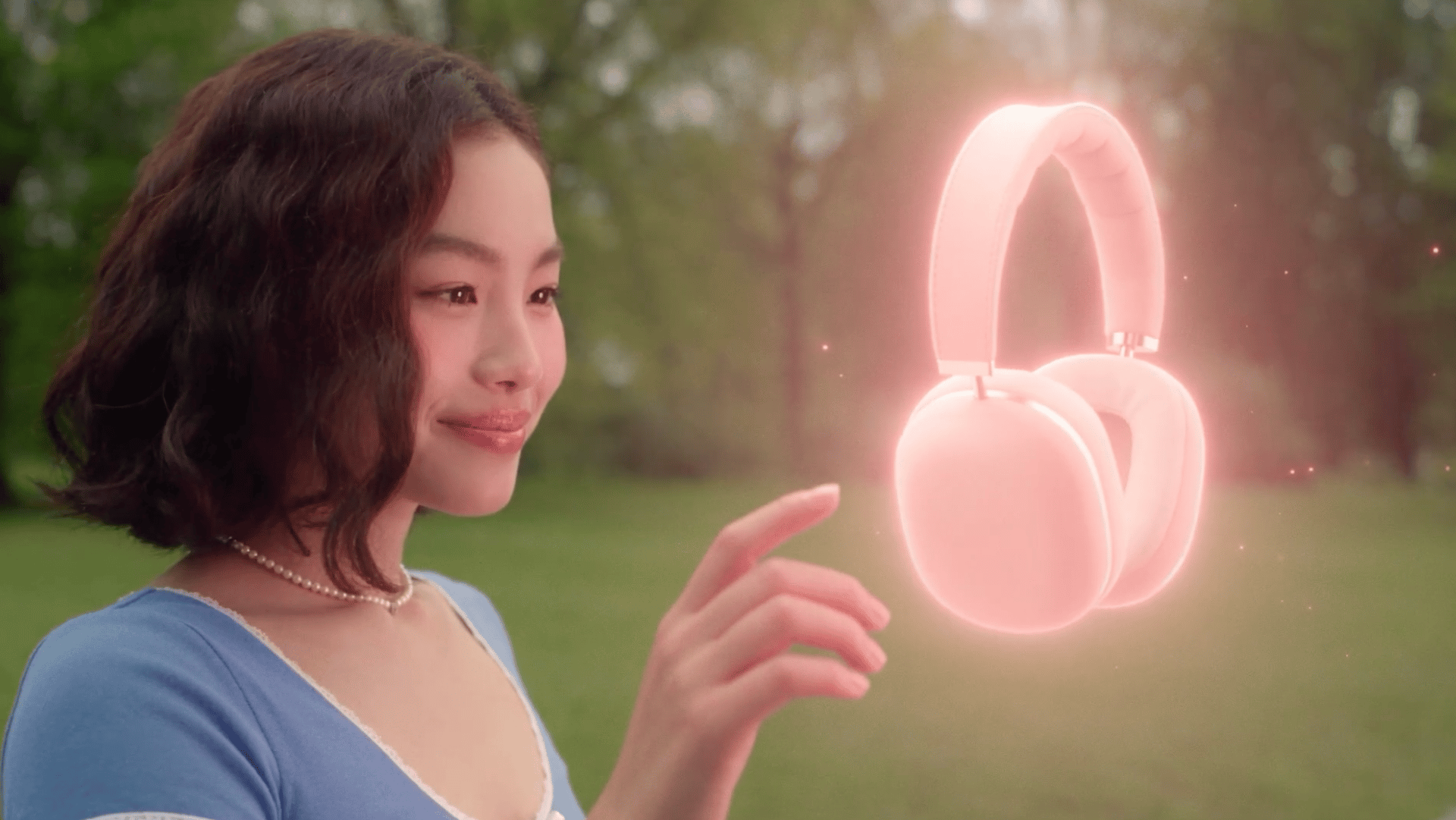
SCENE CONTEXT: A 20-second product commercial shot entirely handheld with a light natural shake, a girl strolls through a sunny city park among everyday walkers and spots something glowing, levitating over the lawn, a pair of pink over-ear headphones floating in the air. She reaches out, touches them, and in a blink they're on her ears. She takes one step and the ground recolors under her foot in a wave of vivid gradient color while every person in the park freezes mid-motion. With each step the world repaints harder, until the final gag shot, a frozen grandma mid-stride and her little dog on the leash, very much not frozen, barking at it all. The product bends reality, the dog doesn't care. ACTIVE REFERENCES: The girl, identity and wardrobe locked to the reference, ignore the reference backdrop, young East Asian woman, early 20s, chin-length dark-brown wavy bob with soft face-framing curls, warm brown eyes, rosy blush, glossy nude-pink lips, small pearl studs and a pearl choker, a cornflower-blue fitted tee with white lace trim and three little white bows down the front, a white tiered eyelet-lace mini skirt, white cowboy boots with silver star details. Face lock: photoreal natural skin, identical features in every shot, zero drift, no smoothing. Location, as-is from the reference: the wide park lawn, deep green grass, a big dark tree frame-left, the treeline behind, and the city skyline over it, the ornate spired tower, stone mid-rises, glass supertalls, white clouds in blue sky. All signage unreadable. The product, inherited exactly from the reference: premium over-ear wireless headphones, blush-pink padded leather headband with scalloped cushions, rose-gold metal sliders and accents, two-tone ear cups, blush-pink outer shells, cream-ivory inner pads, small side buttons, unbranded, no logos. The hero object, every detail per the asset when floating, when touched, and when worn. THE WORLD-PAINT EFFECT (critical staging): The recolor spreads only from her footfalls, each step sends a visible wave of saturated gradient color rolling outward across the ground like liquid light, grass sweeping dark-green to light-green, paths flushing orange to purple, the sky and glass towers washing blue to electric blue as the waves reach them. Every wave travels with honest radial speed, repainting surfaces it crosses and staying, untouched areas keep their natural color until a wave arrives. The freeze hits all people at her first step, every walker locks mid-pose like statues, only she, the color waves, the leaves in the wind and the dog stay alive. Format mode: Five segments, hard cuts at 4.0s, 8.0s, 10.5s, 16.5s, commercial cutting. Real time inside each segment, the girl, headphones and park identical across cuts, zero drift. Optics: bright commercial-film look, crisp daylight exposure, her and the product razor-sharp, gentle depth on the park, clean saturated color science that makes the gradient waves sing. Camera: true handheld with light shake throughout. Segment 1, a walking follow beside her. Segment 2, a curious push-in behind her shoulder toward the glow. Segment 3, a tight orbit-step around the touch. Segment 4, energized backpedal ahead of her strides, dipping low to catch each footfall wave. Segment 5, a settled handheld close-up hold for the gag. Action timing: Segment 1 (0.0s to 4.0s), the walk, she strolls the lawn path in the sun, at 2.8s a glow flickers over the lawn ahead. Segment 2 (4.0s to 8.0s), the find, over-shoulder push-in as she approaches the floating headphones, wrapped in a soft rose light. Segment 3 (8.0s to 10.5s), the touch, tight on her fingertips meeting the shell at 8.6s, a soft pulse of light, and in a blink the headphones are on her head. Segment 4 (10.5s to 16.5s), the steps, she plants her right boot at 10.9s and a color wave detonates from the footfall, rolling the grass dark-green to light-green while every person freezes; second step at 12.4s, an orange-to-purple wave; third at 13.9s, the sky flushes blue to electric blue; fourth at 15.4s, the waves overlap. Segment 5 (16.5s to 20.0s), the gag, handheld close on the frozen grandma, locked mid-stride, and at the leash's end her little dog is fully alive, hopping, spinning, barking indignantly at the frozen world. Physics: real magic on honest rules, the headphones levitate with a gentle bob and slow rotation, the touch-transfer is one clean light pulse, no morphing hands. Each color wave radiates from the exact footfall point at constant speed, repainting and staying. Frozen people are absolute statues, zero sway, clothes and hair locked. The dog is fully dynamic, real bark mechanics, leash going taut against the frozen hand. Lighting: bright natural park daylight, sun from high frame-right, soft cloud fill. The levitating headphones carry their own warm rose glow that dies into them at the touch. The gradient waves add saturation, not exposure, the light stays true daylight while colors repaint. Audio: diegetic-plus-product sound, the park alive in Segment 1, birds, distant chatter, the levitation hum rising soft and warm from 2.8s, the touch pulse at 8.6s, a clean deep harmonic bloom, then the world's ambience ducks underwater-quiet as the freeze lands, leaving a warm muffled bass groove breathing from inside the headphones, her boot-steps ringing bright, each footfall firing a soft synth-wash whoosh. In the finale, the dog's sharp indignant barking cutting the hush. Positive locks: Five segments, hard cuts only. Her identity and the headphones exactly in every frame, never redesigned, no logos. The freeze hits only at her first step and holds, no frozen person ever moves again, the dog never freezes. The color waves come only from her footfalls, repaint permanently, and never strobe the exposure. Nobody speaks, only the dog barks. All text unreadable, everything unbranded.

Epic Landscape: Environment as Protagonist

Settings: Genre: Epic. Camera: Slow, steady push-in across all three shots, ground-level, low angle, and aerial. Lighting: Bright diffused daylight, cold cinematic grade.

Why this combination: Epic spreads the composition wide and makes the environment itself the subject, which works when there's no person in the shot to hold interest instead. The same slow push-in on all three shots builds one sense of scale instead of three separate ones. Cold diffused daylight keeps the glacier, rock, and grass reading as real physical space, not a stylized backdrop.

Prompt used:

Cinematic sequence of three shots with hard cuts, same glacial valley location, each shot is a slow steady push-in. Shot 1: ground-level wide shot from the valley floor, camera pushes in toward the glowing glacier at the far end of the valley, grass rippling in the foreground, mist drifting over the cliffs. Hard cut. Shot 2: low angle close to the dark basalt cliff wall on the right side, camera pushes in along the towering wet rock face with thin waterfalls streaming down, revealing the green valley opening below. Hard cut. Shot 3: elevated aerial angle above the valley floor, camera pushes in forward over the winding streams and vivid green grass toward the mist-covered glacier and the pool of light at center. Consistent look across all shots: photorealistic, cold cinematic color grade, bright diffused daylight, smooth stabilized dolly movement, no camera shake, no people, no animals, no birds.

Noir Scene: Shadow and Atmosphere

Settings: Genre: Drama, noir base. Lighting: Hard key, high contrast, monochrome. Camera: Anamorphic, locked lens per segment, five-segment sequence. Color: Black and white throughout, zero color anywhere.

Why this combination: A hard overhead key with deep shadow builds the noir look directly, one narrow source carving the hat brim shadow across the eyes instead of an even scene graded black and white afterward. The lens lock per segment, wide at 84° for the establishing shots down to 18° telephoto for the two-shot, sets how much the background compresses without spelling out depth of field in the action lines. The same screen direction on every cut, the sedan always from the right, the woman always moving right to left, keeps the street readable across all five segments.

Prompt used:

SCENE CONTEXT: Night, 1947, a rain-soaked downtown street in an American city. A trench-coated detective waits under a streetlamp outside a small hotel, a dark sedan pulls up, a woman in 1940s evening wear steps out, walks to him, delivers one line, and the two walk together through the rain toward the hotel doorway. LOCATION MAP: Camera works from the south sidewalk, facing north, for the entire sequence. Background, north side: dark brick hotel facade, a vertical neon sign reading HOTEL glows through rain haze on the right half of frame, a recessed doorway spills bright light onto the wet pavement below the sign. Midground: cast-iron streetlamp on the north sidewalk, 5 meters screen-left of the hotel doorway, a steam grate breathes near the kerb. Foreground: wet asphalt with standing puddles reflecting the neon and the lamp. Rain falls steadily with a slight leftward drift, atmospheric haze deepens with distance. FIRST FRAME AND SPATIAL BLOCKING: The first visible frame already contains THE DETECTIVE under the streetlamp with the full street geography readable. No empty establishing frame, no delayed reveal. THE DETECTIVE: man around 40, weathered face, day-old stubble, rain-darkened double-breasted gabardine trench coat belted at the waist, wide-brim felt fedora with grosgrain band, wide-lapel 1940s suit, cuffed trousers, leather oxfords, unfiltered cigarette in his right hand. Midground left third, x 35%, y 55%, body facing camera, hat brim shadowing his eyes. THE WOMAN (first appears at 12.0s): around 30, dark 1940s wave-set hair pinned under a small tilt hat with a birdcage net veil, dark lipstick, belted wool coat with padded shoulders over an evening dress, leather gloves, seamed stockings, ankle-strap heels, small clutch in one gloved hand. THE SEDAN (first appears at 7.0s): rounded-fender late-1940s four-door sedan, dark paint, chrome bumpers, round headlights, no badges, no emblems, no lettering. FORMAT MODE: Controlled five-segment multi-shot sequence, 30.0 seconds total, four HARD CUTs, real-time motion throughout. Screen direction never flips, the sedan arrives from screen-right, the woman travels right-to-left. No subtitles, no captions, no on-screen text other than the neon word HOTEL. OPTICS: Ultra-realistic black-and-white large-format capture, IMAX-scale negative clarity through Panavision-style anamorphic glass. LENS LOCK SEGMENT 1: 84° diagonal field of view, classic wide, camera about 6 meters from the detective at the start of the push. LENS LOCK SEGMENT 2: 29° diagonal field of view, short telephoto portrait, camera 4 to 6 meters. LENS LOCK SEGMENT 3: 47° diagonal field of view, standard normal, camera 3 to 5 meters, natural human-eye perspective. LENS LOCK SEGMENT 4: 18° diagonal field of view, classic telephoto, camera 6 to 8 meters, strong compression stacks the two faces close together. LENS LOCK SEGMENT 5: 84° diagonal field of view, classic wide, camera low near the ground. No lens drift mid-segment. CAMERA: Heavy studio dolly and locked-off tripod behavior, slow, deliberate, machine-smooth moves, no handheld jitter, no drone float. Segment 1: chest-height dolly, slow straight push-in from 6 meters to 3.5 meters. Segment 2: locked-off at chest height, focus holds on the detective while the sedan enters soft behind. Segment 3: chest-height dolly tracking screen-left with the woman. Segment 4: locked-off telephoto two-shot, both profiles in the same focus plane. Segment 5: static locked-off low angle, lens 40 centimeters above the wet asphalt. ACTION TIMING: 0.0s to 6.0s, SEGMENT 1, 84° wide. THE DETECTIVE motionless under the lamp, neon HOTEL sign glowing, steam drifting from the grate. At 3.5s he raises the cigarette and draws, the ember flares bright, he exhales and smoke curls through the lamplight. HARD CUT. 6.0s to 12.0s, SEGMENT 2, 29° medium. At 7.0s twin headlight beams rake across him. At 9.0s to 11.0s the sedan rolls in and settles at the kerb, the suspension dips and recovers. HARD CUT. 12.0s to 19.0s, SEGMENT 3, 47° normal. The rear door swings open, THE WOMAN rises out of the car, straightens her coat, pushes the door shut. She walks right-to-left toward the lamp, covering 4 meters, heels clicking a steady rhythm. HARD CUT. 19.0s to 25.0s, SEGMENT 4, 18° telephoto two-shot. At 20.0s THE WOMAN says: "You're late." Her voice is low, dry, and controlled. At 23.0s he drops the cigarette, it bounces once and dies with a brief hiss in a puddle. HARD CUT. 25.0s to 30.0s, SEGMENT 5, 84° low wide. They turn together and walk away from camera toward the hotel doorway, side by side, shrinking into the rain haze. They reach the spill of doorway light, the neon flickers once. PHYSICS: Rain falls at constant density and direction for all 30 seconds, drops strike puddles with rings and micro-splashes. Walking carries true weight, heel strike, weight transfer, hip shift, toe push-off. The sedan has real mass, it decelerates progressively, the body dips on its springs at the stop. The cigarette ember brightens with each draw and dies instantly in water. LIGHTING: Black-and-white low-key noir. Primary key: the streetlamp directly above THE DETECTIVE, a hard narrow overhead cone that carves the hat-brim shadow across his eyes until he lifts his chin at 8.5s. Secondary source: the neon HOTEL sign. Event source: the sedan headlights raking screen-right to screen-left from 7.0s to 11.0s. Exposure priority: expose for the highlights and let faces fall into hard shadow relieved only by eye glints and rim light. The entire image is monochrome silver-gelatin black and white from first frame to last, with fine period film grain and zero color anywhere. AUDIO: Continuous rain on pavement, awnings, and the sedan roof, gutter runoff, one distant thunder roll at 5.0s, neon buzz near the sign, steam hiss near the grate. Her heels click in steady rhythm from 15.0s to 19.0s. A faint muffled solo trumpet drifts from inside the hotel doorway, distant and diegetic, no score, no added music, no narration. The only spoken words in the sequence are THE WOMAN's line at 20.0s: "You're late." No subtitles. POSITIVE LOCKS: Both characters keep the same face, wardrobe, and rain-wet state across every cut, wetness only accumulates, never resets. Every visible element is period-correct for 1947, nothing modern appears in any frame. The sedan carries no brand marks, the only readable text anywhere is the neon word HOTEL. Left-right geography holds through all cuts, the woman always travels right-to-left, and the camera never crosses to the north side of the street.

Multi-Character Scene: Consistent Faces Across Frames

Settings: Genre: Action, high-energy performance piece. Camera: Relentless dynamic camera, hard cuts and match cuts on the beat, average shot under 1.5 seconds. Lighting: Grounded cinematic contrast per location, no neon anywhere. Dual quality system: polished [FILM] as default, degraded [REPORTER CAM] for crowd and helicopter beats only.

Why this combination: Four named characters through twenty-four fast cuts is a hard test of face consistency, since there's no time to re-establish who's who between cuts. The member-count lock, exactly four, never five, never duplicated, stops the crowd shots from blurring an extra into the cast. Switching cleanly between clean digital cinema and degraded phone or helicopter footage keeps the two looks from bleeding together, so it's always clear which four faces are on screen.

Prompt used:

SCENE CONTEXT: A four-member East Asian girl group in a super-fast hard K-pop hip-hop piece, told as one linear story in four acts: ORIGIN (a retro TV, a plunge into the screen, a retro-futuristic cockpit, space, a surreal dentist pocket reached through an eye), ARRIVAL (descent to Earth, a night airfield landing, exit in spacesuits), THE GAUNTLET (a huge crowd of fans and reporters they push through while performing), and THE DANCE (the beat drops as they break free and perform a group dance high on a tower, filmed both cinematically and by a circling reporter news helicopter). The clip lives in polished cinematic quality except during the gauntlet and the helicopter aerials, which are degraded reporter-camera footage. No cyclorama, no neon anywhere, no national flags. MEMBER COUNT LOCK (critical): The group has exactly four members, never five, never six. No fifth member, no extra unnamed dancer, no background double, no duplicated or cloned member. Each of the four appears once and only once in any frame, no mirror, glass, or reflection showing an extra copy. DUAL-QUALITY SYSTEM (critical): [FILM] is polished modern digital cinema, clean, sharp, stable, glossy, graded, deep glossy blacks, the default for the whole clip. [REPORTER CAM] is a degraded early-2000s cheap phone, camcorder, or news-helicopter look, heavy VHS-grade compression, chunky macroblock artifacts, smeared low resolution, muddy color, blown-out highlights, constant handheld or chopper jitter, crude digital crop-zoom punches, autofocus hunting, rolling-shutter wobble. The degradation appears only in REPORTER CAM beats and never leaks into FILM beats. TRANSITION MOTIF: Alongside hard cuts, creative MATCH CUTs on round shapes and through eyes, a round CRT screen, a round porthole, a round dentist lamp, a planet disc, and a member's eye all rhyme. The camera pushes into the round shape or into an eye until it fills frame, then emerges in the next scene. FORMAT MODE: Controlled twenty-four-beat rapid sequence, real-time motion, hard cuts and a few match cuts on the beat, average beat around 1.25 seconds. Every beat has a moving camera and hard motion, no static holds. Each beat tagged FILM or REPORTER CAM. ACTION TIMING, approximately 152 BPM hard trap-drill K-pop, cuts land on the beat. ACT 1, ORIGIN: 0.0s to 1.25s, FILM, an old wood-panel CRT glows in a dark room, camera pushes into the screen until white fills frame, match cut into round screen. 1.25s to 2.5s, FILM, cockpit reveal, the four in white spacesuits hitting a unison pose. 7.5s to 8.75s, FILM, one member floats in zero gravity in full body against the star-field, the camera orbiting her floating form, ending pushed toward her eye, match cut into her pupil. 8.75s to 10.0s, FILM, out of the pupil into a bright clinical dental room, one member alone in the dentist chair, match cut through the round lamp. ACT 2, ARRIVAL: 10.0s to 11.25s, FILM, the ship punches down through cloud, hot orange heat glow raking the hull. 12.5s to 13.75s, FILM, the gear strikes the tarmac, steam and smoke billowing. ACT 3, THE GAUNTLET: 13.75s to 15.0s, REPORTER CAM, degraded phone POV from behind the crowd barrier, violent handheld shake, other phones jutting into frame. 15.0s to 16.25s, FILM, the ramp lowers, the four appearing backlit in the doorway in spacesuits. 17.5s to 18.75s, FILM, the lead member walks the four across the floodlit tarmac straight toward camera, exactly four in a line. 20.0s to 21.25s, FILM, camera body-locked to the lead member as she pushes forward through the packed crowd. ACT 4, THE DANCE (tower, card outfits, no spacesuits): 21.25s to 22.5s, FILM, all four burst into clear floodlit space and hit a hard unison hit as the beat drops, ending on a hard close of one member's eye, match cut into eye. 22.5s to 23.75s, FILM, out of the eye onto a tall open steel platform atop a broadcast tower high above the night city, the four now in their card outfits dance hard in a line, exactly four, no double. 23.75s to 25.0s, REPORTER CAM, degraded news-helicopter footage, the four small on the distant tower platform dancing. 28.75s to 30.0s, FILM, final freeze, the four land the final unison pose, camera cranes up and away for the last frame, exactly four figures. PHYSICS: Real ground contact and weight transfer on every step, true jaw and lip mechanics on the rap, hair and cloth lag on spins and whips. Zero gravity in space, hair and necklace drift weightless with slow inertia. The ship carries real mass on descent and landing, gear compresses, steam billows. The crowd has real bodies and mass, fans and reporters press, sway and reach with true weight. FILM camera moves carry real inertia, REPORTER CAM motion is human or chopper chaos, real hand shake, stumble, jostle, never gimbal but plausible. Exactly four members and five fingers per hand. LIGHTING: FILM beats lit for grounded cinematic contrast, never murky, no neon anywhere. TV room near-black with CRT glow only. Cockpit lit in cool cyan and warm amber. Space is black star-field with cool blue-white rim light. Dentist bright clinical white with one cold-blue accent. Tower platform cool moonlight plus hard tower floodlights plus warm distant city glow. REPORTER CAM beats show the same physical lights through a cheap sensor, crushed muddy shadows, harshly blown highlights. AUDIO: Music added in post, no generated vocals, no words, no melody from the model. Mouth motion is rap cadence, not synced to specific words. Diegetic bed only: CRT hum, ship thruster rumble, steam hiss, crowd roar, helicopter rotor thrum under the aerials. POSITIVE LOCKS: The group is exactly four members across all beats, no fifth member, no duplicate or cloned member. Faces and hair stay fully consistent with the four reference images. Wardrobe by act: spacesuits in origin, arrival, and gauntlet, card outfits on the tower. Spacesuits carry no national flags, no flag patches. No neon anywhere. The dual-quality system is strict, FILM beats stay fully clean, REPORTER CAM beats carry the full degraded look, the two never mix in one shot. Real-time 24fps, no slow motion, no speed ramps, no ghosting or trails.

Fantasy Action: Character and Creature at Scale

Settings: Genre: Epic, action. Physics: Hyperbolic speed, no blood anywhere. Camera: Anamorphic, handheld weight with operator correction, wide and telephoto mix. Emotional control: Calm, focused, not afraid.

Why this combination: Hyperbolic scale, a horse flying at roughly 65 meters per second against a five-meter archdemon, makes the creature read as genuinely massive instead of a big model standing still. Locking the sword to cuts only, edge first, never a stab, gives the model one combat grammar to repeat across all five sword actions instead of a different swing type each time. Replacing blood with glowing light, sparks, and ash keeps every demon death consistent and avoids the gore that would break the rest of the world's rules.

Prompt used:

SCENE CONTEXT: A woman knight in silver armor dives on a winged white horse from a burning tear in the sky down into a black volcanic canyon. One flying demon tries to stop her and she takes its head off. She levels out over a rock ledge crowded with demons, rides through them, tries to cut the giant archdemon and her sword skates off his armor. When he swings his huge blade and misses, his side opens up, and she slices it open as she flies past. CHARACTER: A woman in her mid-twenties, a warrior, focused and calm, not afraid. Silver etched plate armor over a teal-blue quilted underlayer, teal-blue quilted skirt panels hanging to mid-calf, brown leather belt, two tight braids running back along her scalp into long black braids, pale blue-grey eyes, silver ear cuff, a straight double-edged longsword with a plain steel crossguard and dark leather grip. No helmet, no cloak. Everything about her, face, skin, hair, armor, sword, comes from the reference image and must stay the same in every shot. Through the sequence she gets dirtier and never gets clean again: soot on her face from the start, then grey ash and glowing ember dust caught in her braids and armor after the first cut, a scorch mark and burnt streaks across her chest and left arm, grey dust down her left side after she rides through the horde, a nick in her sword blade after it hits the archdemon's armor. No blood on her, no blood on anything. HOW DEMONS DIE, NO BLOOD ANYWHERE: There is no blood in this film, not one drop, from any creature. Demons are made of cooled black lava with fire trapped inside them. When the sword opens one up, the cut edge glows bright orange for a moment as the fire inside escapes. A burst of sparks and hot embers blows out of the wound, along with a jet of shimmering heat. Then the body loses its light, goes grey, cracks apart, and crumbles into ash that the wind instantly tears away. Never liquid, never red, no spraying, no pooling, no gore. HOW SHE USES THE SWORD, MOST IMPORTANT RULE: She only cuts. She never stabs. There is not one stab, thrust, lunge, or point-first movement anywhere in these thirty seconds. The sharp edge always goes first, the point always drags behind. Every cut has four parts: she pulls the sword back and her shoulder loads up, she turns her upper body and the sword sweeps forward in a curve edge first, the edge enters and keeps moving along and through the target, her arm keeps going past the target and finishes fully extended. The sword never stops inside a body. There are only five sword actions in this film: at 6.4s she draws it, at 9.2s she takes the flying demon's head off, at 15.6s she cuts through two demons on the ledge, at 17.2s she tries to cut the archdemon's shoulder and it fails, at 24.6s she slices open his side. SLOW MOTION, ONLY TWO MOMENTS: The whole film runs at real speed except two short beats, both about her blade meeting the archdemon's body. Slow beat one, 17.2s to 17.7s, her sword hits his shoulder armor and skates off in a shower of sparks. Slow beat two, 24.6s to 25.6s, the edge enters his bare side and draws along it. Nowhere else, no other slow motion, no speed ramps. SPEED: The horse flies fast, around 65 meters per second, like a falcon diving. Its wings stay swept back and half folded most of the time, opening only five times in the whole film. Her braids, the horse's mane and tail, and her quilted skirt panels are all pressed flat backwards by the wind. Shot at 24fps with normal motion blur. THE OTHER CHARACTERS: THE HORSE, one white winged stallion, big and heavy, about 700 kg, off-white coat with grey dapples, feathered wings with a 6-meter span. THE ARCHDEMON, one giant demon, 5 meters tall, three times as tall as any other demon, black volcanic rock fused onto muscle, cracked across the chest with slow orange fire glowing underneath, eight black horns, a huge two-handed cleaver of black volcanic glass 2.6 meters long. He is slow and heavy, every move takes a long wind-up. HIS WEAK SPOT: his rock armor stops at his ribs and starts again at his hips, a strip of bare cracked skin about 90 cm long, glowing dull orange, normally covered by his hanging arm and cloak, only opening when he swings hard and his body twists. THE FLYING DEMON, one only, 2.2 meters tall, dies at 9.2s. THE HORDE, hundreds of smaller demons on the ground, 2.2 to 2.5 meters tall. THE PLACE: A huge volcanic canyon, kilometers deep. Above, a torn burning gap in black storm clouds with blinding gold-white fire pouring through. Below, enormous black rock spires, 40 to 90 meters tall. Colors: almost black and white, cold grey-blue everywhere, with gold fire as the only real color. DIRECTION: The fire gap is always in the upper left. She always flies from left to right and downward. The archdemon stands at the lower right, facing left toward her. The camera always stays on the same side, her right side, his left side. HEIGHTS: The ledge floor is zero. The horde demons are 2.5 meters tall. The archdemon is 5 meters tall, his eyes at 4.5 meters. She levels out at 4 meters above the ledge at 12.8s, drops to 3 meters at 21.5s, below his eyes so during the final pass he is looking down at her. FORMAT: Seventeen shots, 30 seconds total, sixteen cuts, averaging under two seconds each. Every cut lands on movement, never on a still pose. CAMERA AND LENSES: Anamorphic look throughout, oval out-of-focus highlights, slight softening at the frame corners. In every shot the camera is struggling to keep up with her, it lags behind, over-corrects, catches up again. Handheld weight, operator breathing, real human correction, no smooth drone glides. SHOT 1, THE CANYON, 0s to 2.2s, wide: Camera low on a foreground rock, tilted up toward the burning gap. She is a small pale dot high in the upper left, crossing in front of the fire, dropping toward the lower right. At 1.4s the horse gives one hard downbeat. SHOT 4, THE DRAW, 5.6s to 7.2s, medium: At 6.4s she draws the sword, one single sweeping movement, her right hand grabs the grip at her left hip, pulls the sword up and across her body in one continuous curve, edge leading the whole way, ending held down and back behind her right hip. SHOT 17, final shot: The last cut lands on the finished slice through the archdemon's side, sparks and ash blowing away in the wind as she flies past. PHYSICS: Real weight and inertia throughout. The horse has genuine mass in flight, wingbeats push real air. Her sword swings carry follow-through and momentum. Ash and embers rip past the camera much faster than the background moves. LIGHTING: Almost black and white, cold grey-blue everywhere, with gold fire as the only real color. Long straight beams of light fan down through the haze at a steep angle from the burning gap above. Cracks of dull red lava between the rock spires. AUDIO: not specified in the source, follows the same real-time, no-music convention as the sequence's visual restraint.

UGC-Style Ad: Natural Movement, No Production Feel

Settings: Genre: General, no genre-specific visual logic imposed. Camera: Handheld selfie framing, fixed for the whole video. Lighting: Soft even cabin light, natural daylight through the window. Emotional control: Understated, self-conscious, no performing.

Why this combination: UGC works because it doesn't look produced, so a fixed selfie framing held for all thirty seconds, with real turbulence in the opening shots, sells authenticity better than any lighting setup would. Understated acting, natural blinks, reactions arriving a half-beat late, small smiles, is what makes this read as a real reaction instead of a scripted ad. Locking the seating geometry, the same aisle seat and background passengers across all eight shots, keeps the video from drifting into something that looks staged.

Prompt used:

Vertical 9:16 UGC video, 30 seconds total, 24fps, shot on iPhone 14 Pro, authentic phone-camera look, handheld selfie framing from her seat for the whole video, arm's-length wobble, tiny refocus moments, soft even cabin lighting, natural vlog pacing, 8 shots, one consistent framing with small variations, the first shots shake with real turbulence, then the frame settles as the flight smooths out. Cast: the young woman from the reference image, face fully visible and matching exactly in every shot, fair skin, shoulder-length pastel-pink wavy hair under a burgundy beanie with a small silver star pin, blue eyes, small stud earrings, natural minimal makeup. Her acting is understated and real, she blinks at a natural rate, reactions arrive a half-beat late, smiles start small and grow, she glances away from the lens and back mid-sentence, and she keeps her voice down like someone slightly self-conscious about filming on a plane, no wide eyes, no exaggerated faces, no performing. Background passengers, realistic, alive, never NPC-like: scattered through the blurred cabin, a middle-aged man asleep against a window with his head tilted and mouth slightly open, a woman in her 30s reading a paperback, an older man scrolling a phone with reading glasses low on his nose, a young woman with headphones gazing out the window. Each moves subtly and independently, nobody looks at her or her camera, nobody reacts in sync. Product: the exact box from the reference, BAKEY Chocolate Chip Cookie Dough, The London Bakehouse Co, Ready to Bake, red box with cream lettering and the cookie photo, sitting on her tray table. Location: the airplane cabin from the reference, navy leather seats with white GGS AIR headrest covers, grey armrests, oval windows with soft daylight. Seating geometry fixed for every shot: she sits in the aisle seat, the aisle at her left shoulder, the seats to her right toward the window occupied by the sleeping man. Segment 1 (0-10s): Shot 1, Turbulence Hook (0-4s), handheld selfie, the frame shaking, the cabin rattles through rough turbulence, she grips the armrest with one hand, phone wobbling in the other, and talks to the lens through it in a tight controlled voice: "So we are currently being shaken like a snow globe." Shot 2, It Settles (4-7s), same framing, the shake easing beat by beat until calm, she exhales slowly and says: "Okay. We're fine. Everything's fine." Shot 3, The Pivot (7-10s), she looks down at her tray table, lifts the red box into frame, pats it twice, and says: "And this survived, which is all that matters." Segment 2 (10-20s): Shot 4, The Open (10-13.5s), closer selfie, she folds the box open and brings out one golden cookie, no speech. Shot 5, First Bite (13.5-17s), she takes an unhurried bite, chews for a real moment, and says: "Okay, that's actually really good." Shot 6, The Detail (17-20s), closer on the cookie, she breaks it in half slowly and murmurs: "Look at those chocolate chunks." Segment 3 (20-30s): Shot 7, The Verdict (20-25s), same selfie framing, relaxed, she gives her recommendation: "These are Bakey, by the way. Honestly the best thing I packed for this trip." Shot 8, Quiet Outro (25-30s), no more words, she finishes the half in two calm bites, dusts her fingertips, tucks the box flap closed, and lets her head rest back against the seat, the frame holds calm and still, no product packshot. Material realism: the turbulence reads true, the handheld frame jolts in irregular bumps, hair and tie sway with the plane's motion. The calm afterward is equally true, the frame's motion decays gradually, not instantly. The cookies are golden with matte cracked surfaces, soft flex at the bite, dark chocolate chunks glossy, real crumbs on the napkin. Skin is real human skin, visible pores, natural sheen, no plastic smoothness. Audio: no music, she speaks on camera with accurate lip-sync. The soundscape carries the story, rough rattling cabin, creaking bins and a seatbelt chime under Shot 1, the rattle decaying into smooth engine hum in Shot 2, the cardboard flick in Shot 4, the soft cookie snap in Shot 6. Her voice: young American accent, warm and low-key, relaxed unhurried pace, every line a complete finished sentence, no trailing off. All speech ends by 25s. Consistency rules: her face stays the same person from the reference in every frame. She stays in the same aisle seat for the entire video, no seat changes, no teleporting. Turbulence exists only in Shots 1-2 and never returns. The background passengers keep their same seats, faces, clothes and activities in every shot. The BAKEY box lettering stays sharp and correctly spelled whenever visible. The cookie only shrinks, whole in Shot 4, bitten from Shot 5, two halves in Shot 6, finished in Shot 8, never regrowing. Exactly five fingers per hand. No on-screen text or captions, no product packshot at the end, the video ends on her.

Horror Scene: Wrong Light, Wrong Angle

Settings: Genre: Horror. Camera: Deep one-point-perspective, 4:3 aspect ratio. Physics: Real weight and inertia. Emotional control: Tired, welling tears, held tension without release.

Why this combination: Horror pulls light and framing away from where a viewer expects them, and deep one-point-perspective aisles with the girl small against empty corridors turn the negative space past her shoulder into the actual threat. Keeping the antagonist out of focus until the final second, always a blur behind shelves, builds dread from absence instead of a direct reveal. Real weight on ordinary objects, sneakers squeaking, boxes toppling, keeps the setting grounded, so the wrongness reads as a genuine intrusion instead of a stylized effect.

Prompt used:

Physics: real weight and inertia, sneakers squeak and slip on linoleum, cereal boxes topple with real mass, bag contents shift naturally, the stockroom door slams with impact. Composition: deep one-point-perspective aisles, the girl small against long empty corridors, the negative space past her shoulder held empty, then filled. Continuity: the girl, her outfit and bag identical across all shots and matching the reference, the supermarket matching the reference, the masked antagonist identical across the film and matching the reference. Technical: 24fps, 4:3 aspect ratio, total runtime 30 seconds. SUBJECT: an 18-year-old East Asian girl with a soft round face, no makeup, tired eyes, messy dark brown hair pulled into a loose bun with wispy bangs and loose strands falling across her face, wearing a plain faded gray oversized hoodie with no logos or patches, loose blue jeans, worn cream canvas sneakers, a small dark canvas tote bag slung across her shoulder. Fully alive human micro-acting throughout: real blinking, chest heaving, throat swallows, tears welling without falling. ANTAGONIST: a tall, very thin young woman with pale human skin wearing a full-face expressionless matte white doll-like mask with dark hollow eye openings and a small painted dark rosebud mouth, messy dark brown shoulder-length hair with choppy bangs, two red fabric flowers pinned in her hair, a dingy knee-length vintage cream slip dress, thin bare arms, long thin fingers, bare pale feet. Rule: she is never in sharp focus until the final second, always a soft blur, a silhouette, a fragment behind shelves, the autofocus refuses to lock on her. The mask never comes off.

Documentary Style: Observational Camera

Settings: Genre: General, third-person observational. Camera: Single fixed 47° lens for the entire sequence, distance-only framing changes. Lighting: Five distinct natural states across one continuous span of time, high sun to blue hour.

Why this combination: A documentary feel needs the camera to look like it's observing, not directing, so one fixed focal length for all thirty seconds, with framing changed only by walking closer or further, keeps the sequence from reading as constructed. Crowd size doubles as the clock, forty people at the start growing to a hundred at the peak and thinning to five or six by dawn, showing one continuous night instead of five separate scenes. Rules against the camera lingering on the body, no slow pans, no isolated shots of torso or legs, keep the tone honest instead of staged.

Prompt used:

SCENE CONTEXT: A large university beach party on the same stretch of coast, followed from a sunny afternoon through the night and into the blue hour before sunrise. We follow one young woman through five moments, she runs into the surf in bright daylight, dries off and laughs with friends on the sand, dances in the crowd at the bonfire after dark, stands alone at the waterline late in the night when the party has thinned, and watches the sky go pale blue at dawn. Nothing dramatic happens, it is one long good night, observed by someone standing on the beach with her. FORMAT MODE: Controlled multi-shot sequence, 30 seconds total, 2.39:1 widescreen, third-person observational, live-action photoreal. Five segments, four hard cuts at fixed times. Real-time motion, no slow motion. No subtitles, no on-screen text. Diegetic sound only. Ends on the final frame with no fade. TIME AND CROWD PROGRESSION LOCK: This is one unbroken span of time on one beach, not five different days. The party swells and then empties, the crowd size is the clock. Segment 1, bright mid-afternoon, roughly forty people. Segment 2, late afternoon, roughly sixty, fires being built. Segment 3, full night, peak of the party, roughly a hundred people packed around the main bonfire. Segment 4, deep night hours later, fifteen or twenty left. Segment 5, blue hour before sunrise, five or six remain. The same dune line, the same two fire pits, and the same accumulating debris persist across all five segments. CHARACTER: A 23-year-old university student, slim athletic build, roughly 172 cm. Identity anchors identical in every segment: long dark blonde hair, thick and naturally wavy, worn in a loose knot that keeps falling apart. High cheekbones, a straight nose, clear grey-blue eyes, a scattering of freckles across the nose bridge, a small pale scar through the left eyebrow, a thin braided cord bracelet on the right wrist, permanently on. BEAUTY WITHOUT RETOUCHING LOCK: her skin is fully unretouched and shows everything, visible pores, a developing sunburn, salt drying to a faint white bloom, sand stuck along the forearms, tired puffy eyes by dawn. No airbrushing, no skin smoothing, no glamour retouching, no beauty filter. WARDROBE, layered progressively: Segments 1 and 2, plain terracotta one-piece swimsuit, a loose faded white linen shirt worn open over it. Segment 3, the same plus a heavy oversized oatmeal knitted cardigan. Segment 4, the same, cardigan wrapped tight. Segment 5, the same plus a striped wool blanket around her shoulders. The terracotta swimsuit and the dark blonde knot are the visual anchor that identifies her at any distance. FRAMING RESPECT LOCK: The camera treats her as a person at a party, not as a body to be looked at. It stays on her face and her actions. No lingering framing of the body, no slow pans up or down a figure, no isolated shots of torso, hips or legs, no low camera angles. IDENTITY LOCK: Every person in this sequence is fully fictional. No face resembles any real, living or historical person. All are university-age adults, early to mid twenties. NO-IP LOCK: No logos, no trademarks, no brand names, no readable signage anywhere in frame. The party music is original, generic and non-descript, no vocals, no recognisable melody. Nobody speaks an intelligible line. CLEAN-AIR LOCK: Nobody in this sequence smokes, vapes or exhales anything visible. The only smoke in the entire sequence comes from the two fires, and it always travels out to sea, away from the people. BEACH MAP: The camera stays on the landward side of the action for the entire sequence, the sea is always screen-right, the dune line always screen-left. This never reverses. SINGLE-LENS LOCK: One focal length for the entire 30 seconds, 47° diagonal field of view, standard normal lens character. This never changes, in any segment. Every change in framing is achieved by the operator physically walking closer to or further from her. CAMERA-TO-SUBJECT DISTANCE PER SEGMENT: Segment 1, 5 meters. Segment 2, 2 meters. Segment 3, 3 meters. Segment 4, 2.5 meters. Segment 5, 7 meters. ACTION TIMING: 0.0s to 7.0s, Segment 1, into the surf, camera 5 meters. She is running down the wet sand toward the water, hits the shore break at 2.0s, laughing with her whole face. Hard cut. 7.0s to 13.0s, Segment 2, drying off, camera 2 meters, operator sitting on the sand. She re-ties her hair, takes a drink from an unmarked bottle. Hard cut. 13.0s to 20.0s, Segment 3, the fire, camera 3 meters, standing inside the crowd. She is dancing loosely in the middle of the crowd, firelight flickers across her face. At 16.0s a log collapses and sparks lift. Hard cut. 20.0s to 26.0s, Segment 4, the waterline, camera 2.5 meters. She stands ankle-deep at the tide line, looking out at the black water, stands still for three full seconds. Hard cut. 26.0s to 30.0s, Segment 5, blue hour, camera 7 meters, operator crouched. She sits on the cold sand facing the sea, the fire a low mound of grey ash. Cut on the last frame, no fade. PHYSICS: Water behaves with real mass, the shore break stops a running body hard, spray leaves the feet in flat sheets. Wet fabric clings, darkens, and hangs heavier. Soft dry sand gives under every step. The fire has real heat behaviour, convection lifting sparks in an unsteady column. LIGHTING, five states, one coast: Segment 1, high afternoon sun, hard and almost overhead. Segment 2, sun dropping, light warming and raking in low. Segment 3, night, the bonfire is the dominant source, low, warm, orange, unsteady. Segment 4, deep night, primary source is a low moon, laying a soft silver path across the water. Segment 5, blue hour, no sun above the horizon, a single vast soft even source, the whole sky. AUDIO: 100 percent real on-location sound, no score. The surf is the continuous through-line across all five segments. Music is diegetic only, from the speaker stack, original generic instrumental, no vocals. No intelligible dialogue. POSITIVE LOCKS: Live-action photoreal only, real unretouched skin. The 47° natural human-eye perspective is identical in all five segments, only the operator's standing distance changes. The sea stays screen-right and the dune line screen-left in every segment. The same woman is present in every frame, her face, hair colour, freckles, eyebrow scar, and terracotta swimsuit stay identical across all five segments.

What the Testing Shows

  • Reference images hold identity across cuts more reliably than a text description does, once a face or a product is locked as a reference, it survives hard cuts, lighting changes, and camera moves that would otherwise cause drift.

  • Genre and lighting settings do more work than most of the prompt text itself. Changing genre alone shifts pacing, contrast, and camera behavior even when the written scene description stays identical.

  • Multi-character scenes are the hardest category to keep consistent. The more faces in a single shot, the more reference material each one needs to avoid drifting into a generic face by the third or fourth cut.

  • The shot-by-shot breakdown format outperforms a single continuous scene description for anything with more than one camera angle. Vague transitions between shots are the most common cause of a sequence falling apart.

  • 50 references is a ceiling worth using deliberately, not maxing out by default. A cluttered reference set with too many competing faces, props, or locations produces a less coherent result than a smaller, carefully chosen set.

  • The GLOBAL STYLE and AUDIO sections function as guardrails more than instructions. Explicitly excluding what shouldn't appear, modern artifacts, music, dialogue, prevents more failures than adding more positive description does.

Seedance 2.5: Complete Prompting Guide (Full Prompt Library)

Try Seedance 2.5

Got any questions left?

GLOBAL STYLE, SCENE, CHARACTERS, LOCATION, FIRST FRAME AND BLOCKING, a shot-by-shot breakdown, OPTICS, CAMERA, PHYSICS, LIGHTING, then AUDIO last. Labeled sections outperform one continuous paragraph.
As long as the scene needs. A single shot can run a few sentences with a reference covering the visual detail. A multi-shot sequence needs every section filled out to keep each shot distinct.
Label each shot, Shot 1, Shot 2, and so on, with its own action, camera position, and end point, closing with "Hard cut." Specify camera distance and framing per shot, since vague transitions are the most common cause of a sequence losing consistency.
One reference per element that needs to stay consistent, a face, a product, a location, a style, rather than maxing out the 50-image ceiling. A smaller, deliberate set beats a cluttered one.
No. CHARACTERS can stay short if a reference is doing that work, but GLOBAL STYLE, the shot breakdown, and AUDIO are worth keeping regardless.
Yes. Genre changes pacing, contrast, and camera behavior independently of the scene description, the same prompt reads differently under a different genre.

by Higgsfield

Share article