Creator Hub

10 Best Midjourney Alternatives in 2026

Higgsfield11 min

The best Midjourney alternatives in 2026 are Google Gemini, ChatGPT Images, Higgsfield, Leonardo, Ideogram, Adobe Firefly, Flux, Stable Diffusion, Recraft, and Krea. Each one has its own strong suit. Most offer free or limited free access, and Stable Diffusion can be self-hosted. For a consistent character across many images, trained-identity tools hold the same face from one generation to the next.

Why Creators Look for a Midjourney Alternative

Midjourney is a paid AI image generator with a strong reputation for stylized, painterly output, and for standalone art direction it remains a favorite. The search for alternatives usually starts with practical fit: the Basic plan starts at $10 per month and includes 3.3 hours, or 200 minutes, of Fast GPU time, and free trials remain suspended except for occasional windows.

There is no official public API for embedding generation into products, content rules are on the stricter side, and generations are public by default, with stealth mode reserved for higher tiers.

For artists exploring style, none of that gets in the way, and Midjourney holds its position. For people producing content on a schedule, working under a brand, or building around a persistent character, those details decide the choice more than raw image quality does.

How We Compared the Platforms

Every platform was evaluated on the same questions: what it is, what it does well, what entry plans cost, whether there is an API, and how it handles character consistency. Capabilities come from official documentation, and prices were verified on official pricing pages in August 2026. Since every tool on this list can produce a striking single image, the comparison focuses on the practical differences:

  • Free tier and entry price: whether you can test the tool without paying, and what the first paid plan costs.
  • API access: whether generation can be embedded into a product or pipeline.
  • Commercial use: whether the license and training data are safe for client and brand work.
  • Text rendering: whether words inside the image come out legible.
  • Character consistency: whether the tool can keep the same face across many separate generations, through reference images, fine-tuning, or a trained identity such as Soul ID in Higgsfield.

Pricing at a Glance

Pricing at a Glance

Tool

Free access

Starting price

Google Gemini

Yes

Free, paid plans from $4.99/mo (Google AI Plus)

ChatGPT Images

Limited free

From $8/mo (ChatGPT Go)

Higgsfield

One-time free Soul pool on some plans

From $15/mo (Starter)

Leonardo

150 tokens/day

From $12/mo (Essential)

Ideogram

Yes (slow credits)

From $20/mo (Plus)

Adobe Firefly

Limited

From $9.99/mo

Flux

Open weights (varying licenses)

Pay as you go, from $0.03/MP (FLUX.2 pro)

Stable Diffusion

Open weights

Free to self-host

Recraft

Yes (limited, non-commercial)

From $12/mo (Basic)

Krea

Yes (100 units/day)

From $9/mo (Basic)

Prices verified in August 2026 on official pricing pages; plans and regional pricing change, so check each platform before committing.

Capabilities at a Glance

Capabilities at a Glance

Tool

Public API

Character consistency

Best for

Google Gemini

Yes

Reference-based only

Free access and precision edits

ChatGPT Images

Yes

Reference-based only

Beginners, natural-language prompts

Higgsfield

Yes

Soul ID, train-once identity

Consistent AI characters and influencers

Leonardo

Yes

Custom model training

Character art, custom models

Ideogram

Yes

Ideogram Character, single-reference

Text inside images

Adobe Firefly

Yes

Reference-based only

Commercially safe images

Flux

Yes

LoRA fine-tuning (open variants)

Photorealism, API pipelines

Stable Diffusion

Yes

LoRA fine-tuning

Full control, self-hosting

Recraft

Yes

Custom styles, brand kit

Vectors, brand systems

Krea

Yes

LoRA training

Real-time generation

Google Gemini: Free Access and Precision Edits

Gemini is Google's AI assistant with image generation built in, running on Nano Banana 2 (Gemini 3.1 Flash Image), Google's default image model since February 2026. Its strongest side is editing: you upload a photo and change it conversationally, and the subject stays intact while the scene, outfit, or lighting changes. The model analyzes relationships between objects before rendering, which shows in correct object counts and readable text.

Free usage has daily limits, paid plans start at $4.99 per month with Google AI Plus, and developers reach the same models through the Gemini API. Consistency is reference-based: an attached image guides a generation, but there is no persistent character system.

What to keep in mind

  • Images carry Google's invisible SynthID watermark and C2PA Content Credentials.
  • Fine art direction is limited compared with dedicated generators.

ChatGPT Images: The Easiest Option for Beginners

ChatGPT Images 2.0 generates images directly in the chat: you describe what you want in plain language, and iteration happens in follow-up messages, with no prompt syntax to learn. The model accepts image inputs, follows complex multi-part instructions well, and renders text in the frame reasonably.

Image generation is included with ChatGPT plans, from limited free access to ChatGPT Go at $8 per month and Plus at $20, and OpenAI offers an image API for developers. Consistency is reference-based, anchored to images attached in the conversation.

What to keep in mind

  • The model rewrites your prompt under the hood, so precise art direction is harder.
  • Rendering is slower than dedicated generators at volume.

Higgsfield: Consistent AI Characters and Influencers

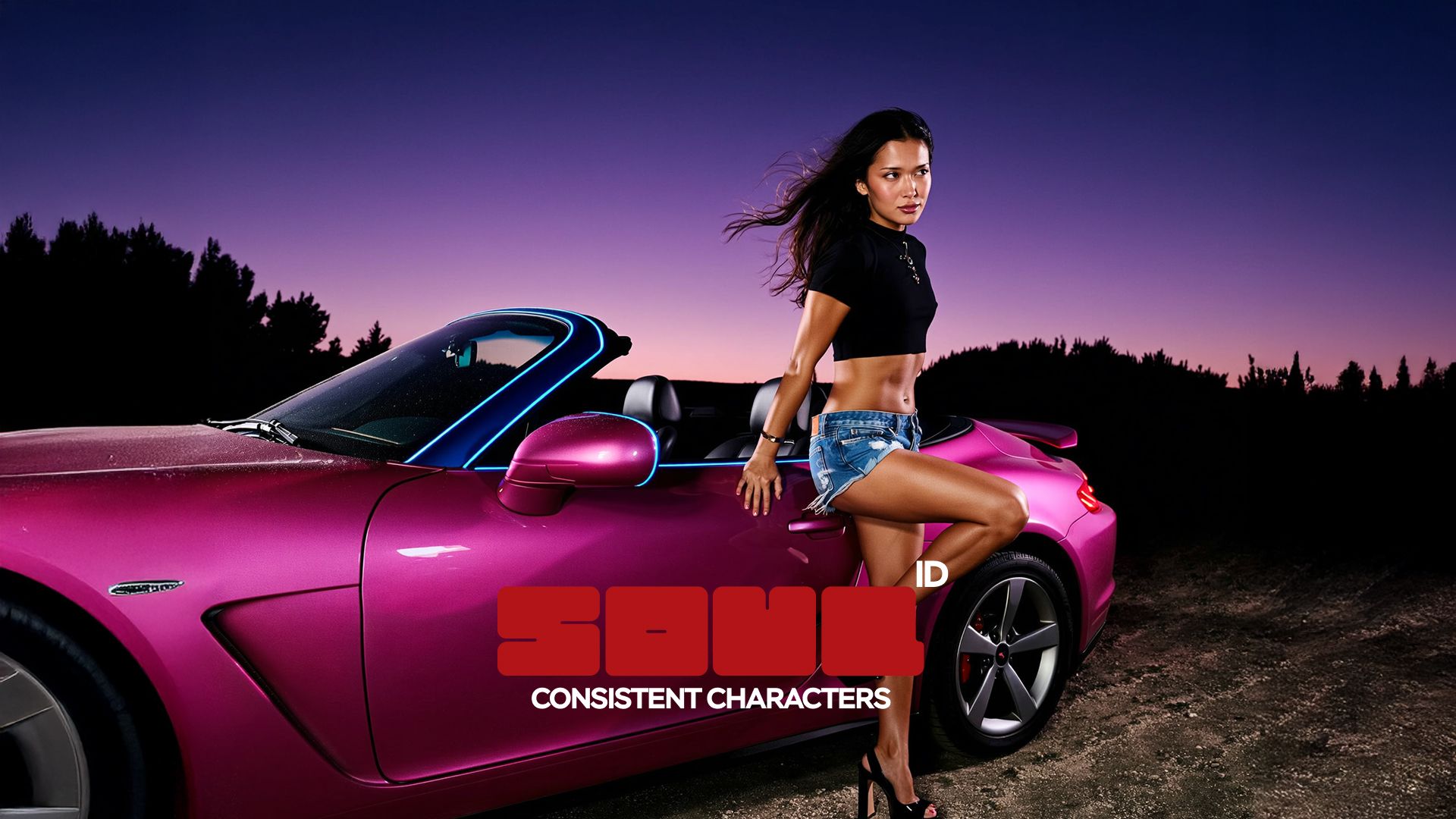
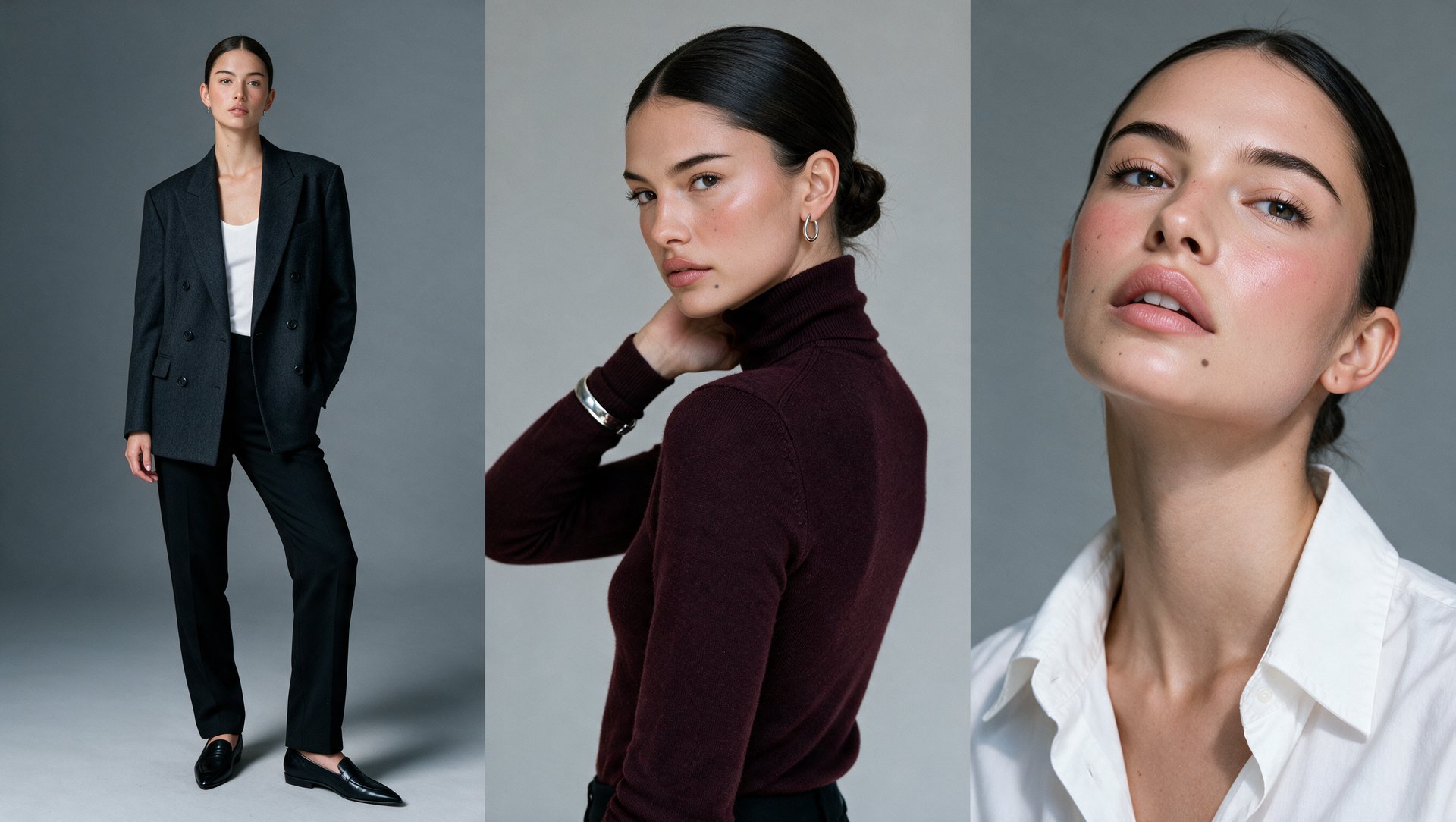
Higgsfield is an AI-native creative suite built around Soul 2.0, its flagship image model for social-style, fashion-aware photos, with 30+ presets, custom Moodboards, and Soul HEX color control; the lighter Soul model adds 100+ one-click presets. Soul ID is how Higgsfield handles character consistency: train it once on 20 to 80 photos of one person, training takes a few minutes and 25 credits, and the same face then appears in every generation across the Soul family.

Plans start at $15 per month with Starter, are credit-based, and include a pool of free Soul generations; one Soul 2.0 image at 2K costs 0.125 credits, under one cent. An API is available, and the same subscription covers other leading image models, including Nano Banana Pro, Seedream 5.0, and GPT Image, with a trained character carrying into supported models through Elements.

What to keep in mind

  • The workflow is desktop-first and the toolset takes time to learn.
  • Soul ID delivers clearly the same person, not a pixel-identical face; weak photo sets produce weak identities.
10 Best Midjourney Alternatives in 2026

Leonardo: Character Art and Custom Models

Leonardo is an image generation platform aimed at game artists, concept designers, and creators working with stylized characters. Its standout feature is custom model training: you fine-tune a model on your own character or style and generate consistent variations from it.

The free tier of 150 daily fast tokens is enough for real testing, paid plans from $12 per month with Essential add private generation and personal model training, and an API is available.

What to keep in mind

  • Free-tier generations are public.
  • Photoreal, social-style output takes prompt work; the platform leans stylized.

Ideogram: Accurate Text Inside Images

Ideogram is built around one problem most models struggle with: rendering legible, correctly spelled text inside the image. That makes it the pick for posters, logos, labels, and signage, and the platform adds an editor, remix from any image, and batch generation from a spreadsheet.

A free plan with slow credits covers evaluation, paid plans start at $20 per month with Plus, which adds 1,000 priority credits and private generation, and an API is available. Ideogram Character keeps one person across scenes from a single reference photo, with no model training, and pairs with Magic Fill to place the character into existing images.

What to keep in mind

  • Free-plan images are public; private generation starts on paid plans.
  • Photorealism trails Flux and Midjourney.

Adobe Firefly: Commercially Safe Images

Firefly is Adobe's image generator, and Adobe says its own Firefly models are trained on licensed and public-domain content, with legal indemnification for enterprise customers, which makes it the defensible choice for regulated industries and brand work. It is built into Photoshop, Illustrator, and Express, where Generative Fill reads the context of the surrounding image.

Standalone plans start at $9.99 per month with a limited free tier, standard image generation is unlimited on paid plans, and Firefly Services provide API access for businesses. Consistency is reference-based.

What to keep in mind

  • Strongest inside the Adobe ecosystem; weaker as a standalone generator.
  • Style range is more conservative than dedicated art generators.

Flux: Photorealism and API Pipelines

Flux is a family of image models from Black Forest Labs, founded by researchers behind the original Stable Diffusion. It is built for photorealistic output and strict prompt adherence, handles text well, and is designed for programmatic use: there are no subscriptions, access runs through the API on pay-as-you-go pricing, from $0.03 per megapixel on FLUX.2 pro, and open-weight variants can be self-hosted under licenses that vary by model, with commercial self-hosting covered by separate licensing tiers.

Consistency comes through LoRA fine-tuning on the open variants, which makes Flux a standard backend for production pipelines rather than a consumer product.

What to keep in mind

  • There is no consumer subscription product; access assumes technical setup.
  • Fine-tuning requires a dataset and comfort with developer tooling.

Stable Diffusion: Full Control and Self-Hosting

Stable Diffusion is the self-hostable model family that most custom image pipelines run on. Open-weight models are free to download, fine-tune, and self-host under Stability AI's licensing terms, with costs limited to GPU time, and LoRA fine-tuning, ControlNet, and custom checkpoints allow control no hosted tool matches, including training on your own character or brand.

Hosted APIs are available through third-party providers for teams that want the control without managing hardware.

What to keep in mind

  • Setup takes real effort and needs your own GPU or paid cloud compute; it rewards users willing to learn ComfyUI or similar tooling.
  • Out-of-the-box quality trails the top hosted models.

Recraft: Vectors and Brand Systems

Recraft is an image generator built for design work: it generates native SVG output alongside raster images, which matters for logos, icons, and print. Custom Styles train a private style on a few references, and the Brand Kit keeps colors and fonts consistent across assets.

The free tier is for personal use, with public images and Recraft models only; paid plans start at $12 per month with Basic, which adds commercial rights, private generations, and access to external models such as Nano Banana and Seedream, and an API is available. Consistency here means style consistency, not a character identity.

What to keep in mind

  • It is built for design assets, not photoreal or painterly one-offs.
  • A locked style does not keep the same face across images.

Krea: Real-Time Generation

Krea is a generation tool whose distinguishing feature is a live canvas: the image updates as you draw, move elements, or adjust the prompt, which turns generation into interactive sketching. It bundles upscaling and enhancement tools and gives access to multiple models in one interface.

The free tier includes 100 units per day, paid plans start at $9 per month with Basic, which adds all image models, LoRA training, and a commercial license, and an API is available.

What to keep in mind

  • It is built for exploration, not batch production.
  • LoRA training needs an image set per character

Which Midjourney Alternative Is Best for a Consistent AI Character or Influencer?

Higgsfield, because a trained identity is the most reliable of the three ways to keep the same face across generations:

  • Re-prompting the same description drifts within a handful of images.
  • A reference image per generation, the approach behind Midjourney's Omni Reference and Ideogram Character, anchors a single generation well but drifts across many separate ones, and it means re-attaching the reference every time.
  • LoRA fine-tuning in Stable Diffusion, Leonardo, or Krea is reusable and reliable, but it requires a dataset, setup, and technical comfort.

A trained identity is the middle path: train once, reuse without setup. Higgsfield Soul ID trains on 20 or more photos in a few minutes and then applies that identity to every Soul generation automatically, so post 50 looks like post 1 while presets, lighting, and angles change.

The same character can be used in supported image and video models, including Kling and Seedance, through Elements. For a deeper breakdown of the consistency methods, see tools for consistent AI characters.

Best Midjourney Alternative: Which One Fits Your Workflow

No single platform fits every workflow. Start with what happens after the image: do you only need the still, or does it need to move into a design, video, or campaign?

  • For a free starting point with precision edits, consider Google Gemini
  • For the easiest natural-language generation, consider ChatGPT Images
  • For a consistent AI character or influencer, consider Higgsfield
  • For character art and custom models, consider Leonardo
  • For accurate text inside images, consider Ideogram
  • For commercially safe images, consider Adobe Firefly
  • For photorealism and API pipelines, consider Flux
  • For full control and self-hosting, consider Stable Diffusion
  • For vectors and brand systems, consider Recraft
  • For real-time generation, consider Krea

Standalone generators make sense when the image is the whole job. Higgsfield is the stronger fit when the same character also needs to continue into video, ads, and a consistent campaign.

10 Best Midjourney Alternatives in 2026

Try Soul 2.0

Got any questions left?

It depends on the job: Flux for photorealism and API access, Ideogram for text inside images, Adobe Firefly for commercially safe output. For a character that has to hold across many posts, Higgsfield trains a Soul ID identity once instead of using per-image references.

Higgsfield. Soul ID trains a reusable identity once, on 20 or more photos, keeps the same face across generations, and the character carries into video through Cinema Studio.

Higgsfield, through a Soul ID identity trained once on 20 or more photos. Leonardo custom models and Stable Diffusion LoRAs reach the same goal through fine-tuning; reference-based approaches hold one generation but drift across many.

Yes. Google Gemini, ChatGPT, Leonardo, Ideogram, Recraft, Krea, and Adobe Firefly offer free or limited free access, and Stable Diffusion is free to self-host. Higgsfield includes a one-time pool of free Soul generations on some plans.

Google Gemini, ChatGPT, Higgsfield, Leonardo, Ideogram, Adobe Firefly, Recraft, and Krea offer official APIs; FLUX runs through the Black Forest Labs API, and Stable Diffusion through self-hosting or third-party APIs. Midjourney has no public API.

by Higgsfield