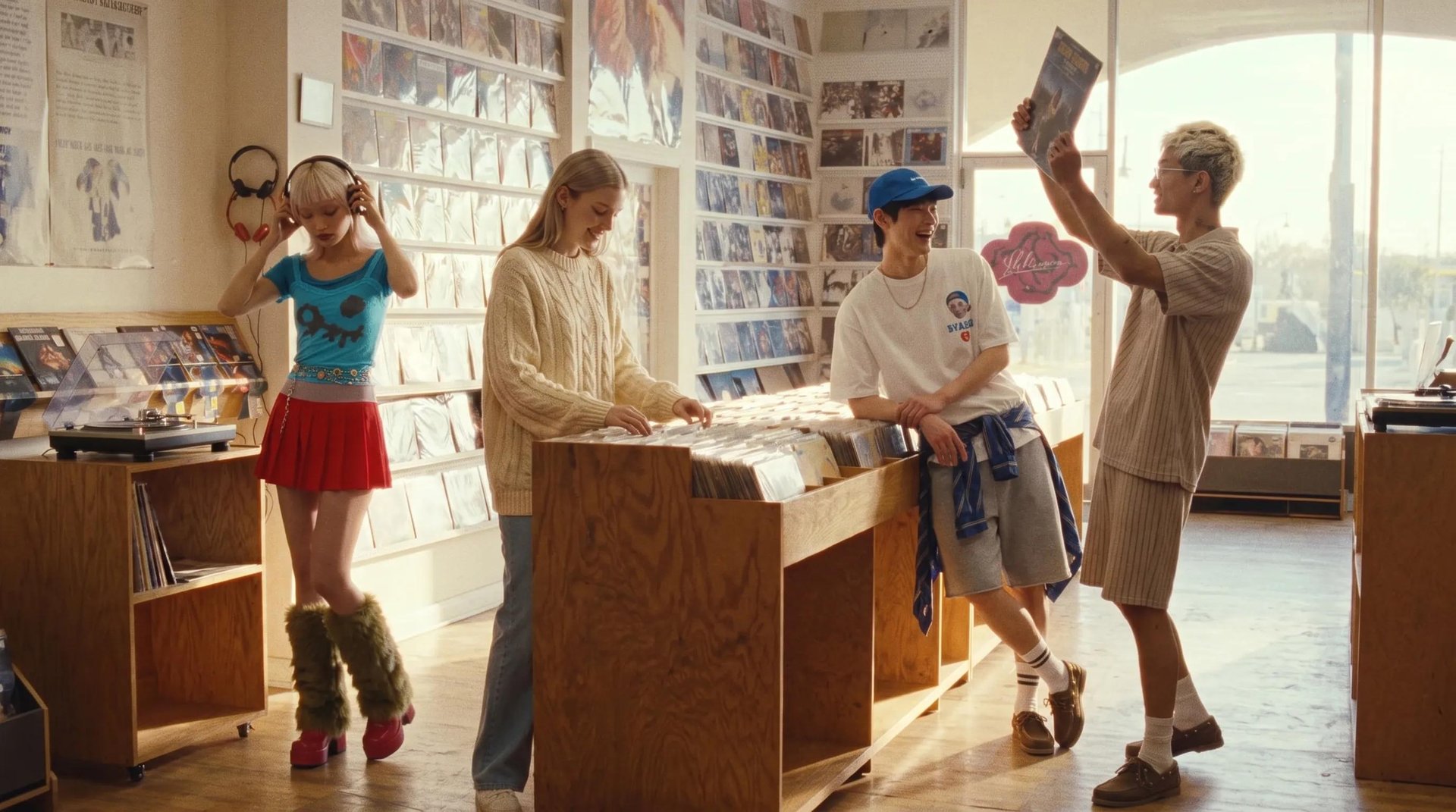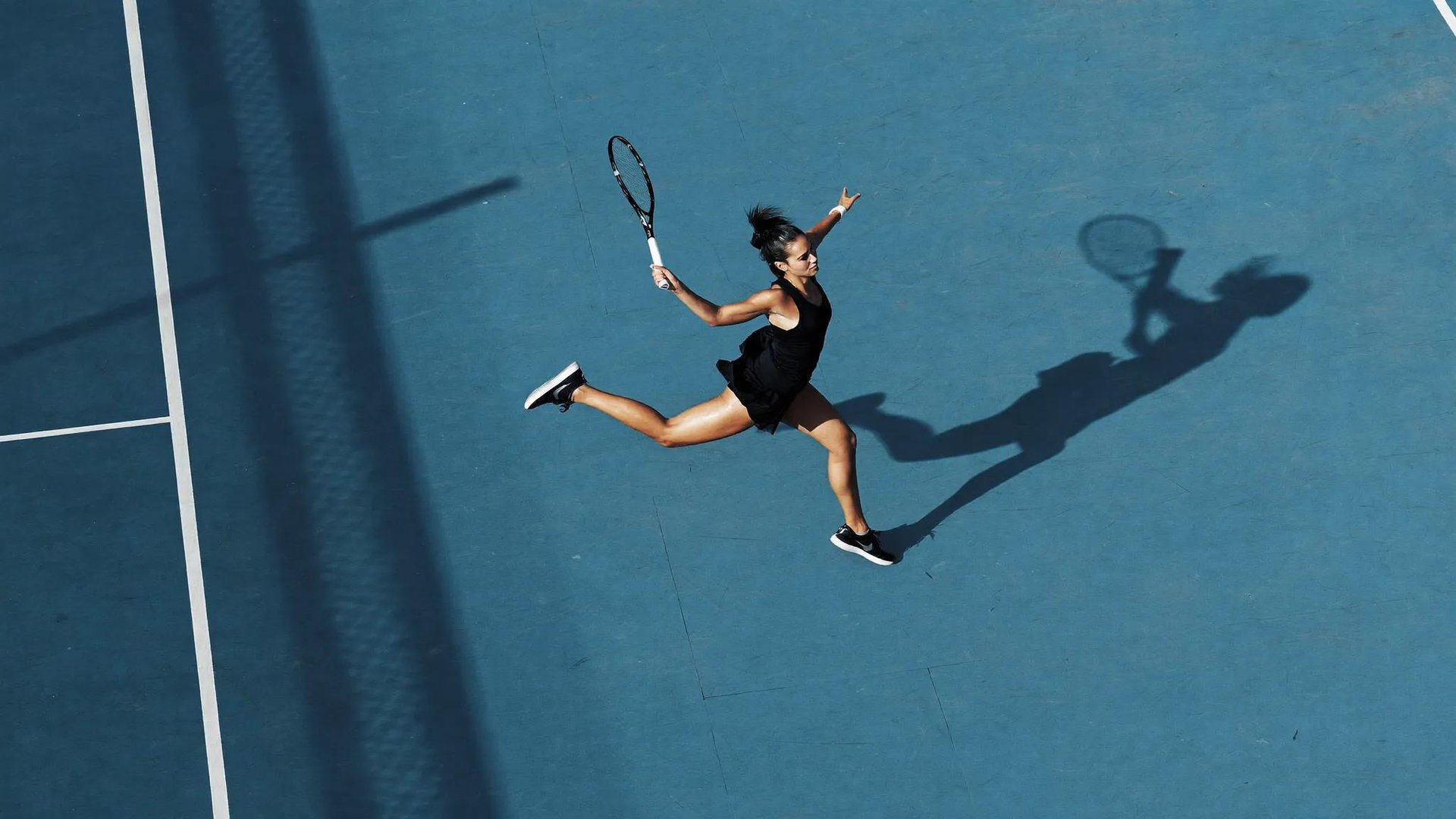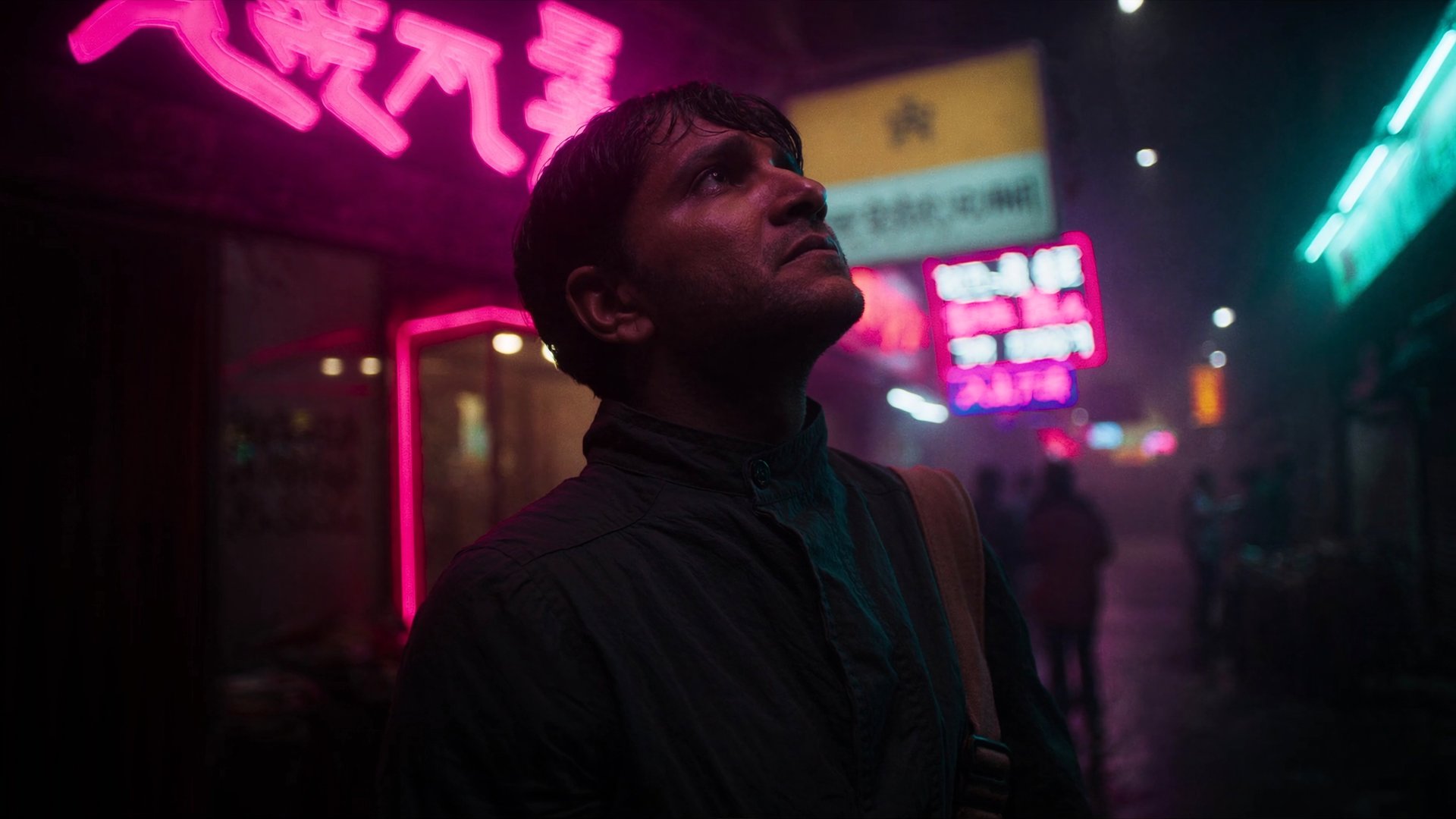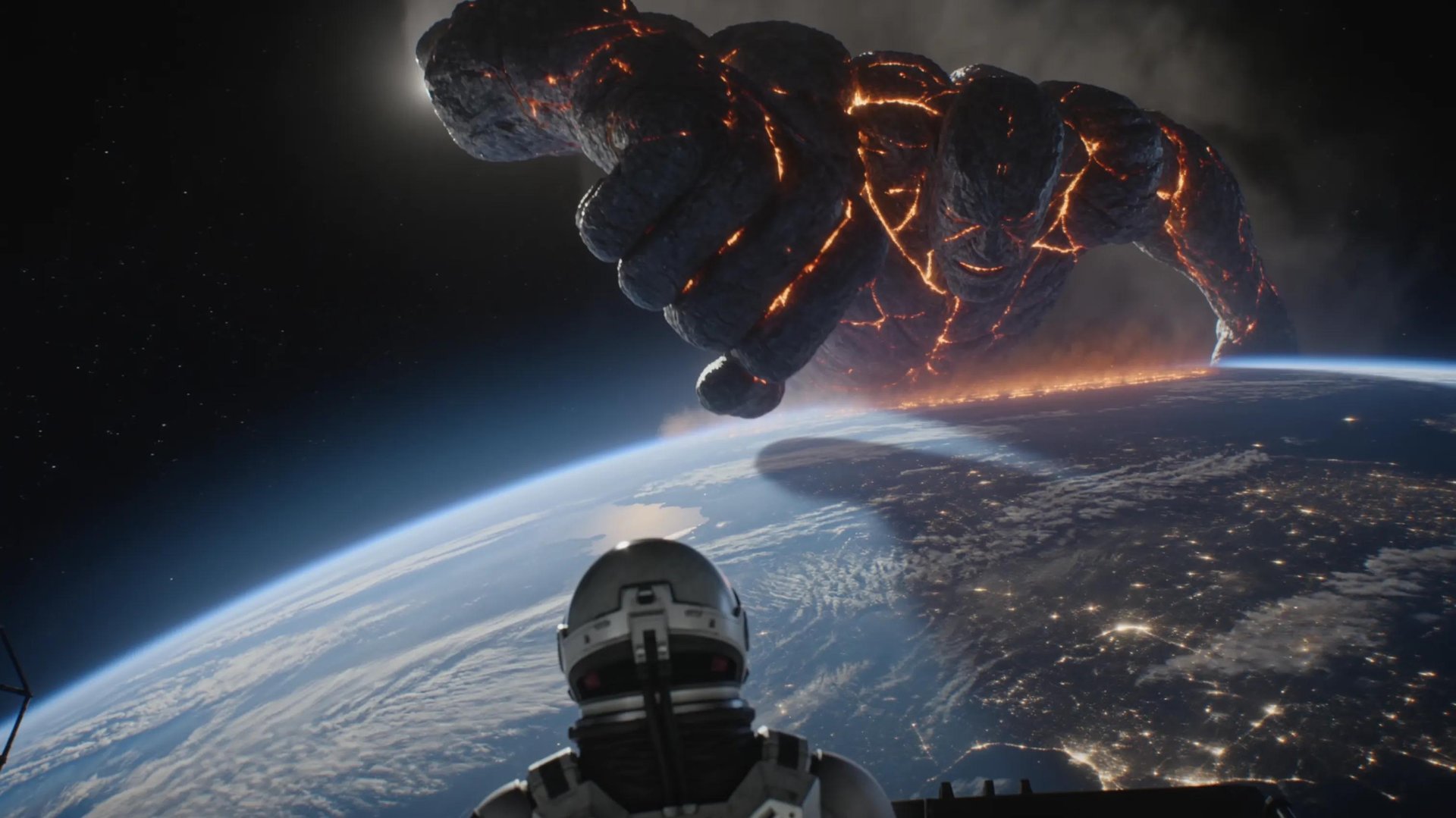
Most AI video tools are unpredictable by design. Run the same prompt twice and you get two different outputs. That works for creative exploration but breaks for production. We tested Higgsfield across 15+ prompts covering drama, action, commercial, and genre content. The pattern held: match the right model, Kling 3.0, Veo 3.1, Seedance 2.0, to the task, apply Cinema Studio's director panel, and the output becomes predictable rather than random.
Why Reliability Is Harder Than Quality
A single impressive generation is easy to find. Every model has its best-case outputs. What is harder to find is a platform where the tenth prompt produces the same quality and consistency as the first, where you can predict what the output will look like before you generate, and where switching between a cinematic drama scene and a fast-cut action sequence does not require rebuilding your entire workflow.
The reliability problem has three parts. First, no single AI video model is best at everything. Kling 3.0 handles human subjects and motion more accurately than most models at its price point. Veo 3.1 produces native audio alongside the visual in the same generation pass. Seedance 2.0 accepts up to 9 reference inputs simultaneously for commercial work. A platform that forces you to choose one model for all your work is a platform where reliability is capped by that model's weaknesses.
Second, text prompts alone are not enough to produce predictable results. The same prompt on the same model produces different outputs on different runs because the model has too much interpretive latitude. The production controls that constrain that latitude, genre, lighting, lens, camera movement, color palette, are what convert a capable model into a reliable one.
Third, character and scene consistency across multiple shots requires an identity layer that most generation tools do not have. A character who looks correct in shot one should look correct in shot seven. Without a trained identity anchor, that consistency requires luck rather than design.
The Testing Setup
We ran 15+ prompts across four models available on Higgsfield: Kling 3.0, Veo 3.1, Seedance 2.0, and Cinema Studio. The prompts covered six categories: dramatic interior scenes, action sequences, landscape and environment shots, product and commercial content, multi-character scenes, and stylized genre content. For each category, we chose the model most suited to the task and applied the Cinema Studio 3.5 director panel where applicable.
The evaluation criteria: did the output match the intended shot, did the character or subject hold consistent with the prompt description and any references provided, did the camera behavior match the specified movement, and would a repeat run produce a comparable result?
Which Model Does What Best on Higgsfield
Cinema Studio 3.5 is the director panel layer that applies on top of any model. Genre, lighting preset, color palette, camera movement style, lens, focal length, and aperture all apply at generation time rather than being approximated from text. These settings convert a capable model into a predictable one by giving it explicit production parameters rather than leaving it to interpret the prompt alone.
Kling 3.0 is the model for human subjects. Skin tones, body movement, micro-expressions, and the physical logic of how people move all come out more accurately on Kling 3.0 than on most other models at comparable cost. For talking-head content, spokesperson clips, fashion, and any scene where a real person needs to look completely natural in motion, Kling 3.0 is the right choice. For multi-shot sequences, it generates up to six connected scenes in one pass.
Veo 3.1 is the final delivery model. Highest fidelity output, native audio generated alongside the visual in the same pass, 4K resolution, clips up to 60 seconds. When the goal is a shot the client will evaluate on a large screen, or when audio coherence matters as much as visual quality, Veo 3.1 is the right choice. It does not have conversational editing, which means the prompt needs to be right before generating.
Seedance 2.0 is the commercial work model. It accepts up to 9 reference inputs simultaneously: a character photo, a location image, a product reference, a style image, and an audio track all at once. The model reasons across all of them and produces a coherent output without manual compositing. For brand work where a spokesperson needs to appear with a specific product in a specific environment, Seedance 2.0 handles that in one call.
15 Prompts in Practice
This is where reliability either holds or breaks. We ran each prompt category multiple times and evaluated whether the output matched the intent consistently. Below are the prompt categories with the model and settings used for each. Prompt text and video outputs follow each category.
Dramatic Exterior: Human Subject, Available Light
Model: Seedance 2.0 Settings: Genre: Epic · Lighting: Contre-jour · Color Palette: Teal & Orange Epic · Camera MoveSet Style: Epic Scale · Camera: Fine Film · Lens: Anamorphic · Focal Length: 35mm · Aperture: f/4 Moderate · Aspect Ratio: 16:9
Why this combination: Epic genre gives the alley itself weight and presence, treating the cramped space as a stage for the emotional confrontation rather than a neutral backdrop. Teal & Orange Epic, pushed toward neo-noir here, delivers the deep green and teal shadow against the warm orange-red street bokeh the scene needs, the specific palette that separates this from generic dark. Contre-jour locks the green neon and the distant street lights behind both figures, which is what makes them read as rim-lit shapes against the glow rather than flatly front-lit, and keeps that consistent as the camera moves through seven distinct beats, from the over-the-shoulder wide to the macro tear insert. Epic Scale handles the range this sequence needs: locked frames for the intimate close beats, one slow committed backward track for the man's exit, and a ground-level locked frame for the final cigarette insert, all inside a single moveset. Fine Film builds natural grain into the generation from the first frame. Anamorphic at 35mm gives the oval bokeh on the street lights and the lens character that reads as cinematic rather than digital, while the wider optics in the alley-wide beats keep the depth axis legible. f/4 Moderate holds enough depth of field for the alley geography to read clearly while still separating the subjects from the background at the closer beats. Seedance 2.0 carries physical consistency across all seven hard cuts, the smoke, the steam, the tear's path down her cheek, and the cigarette's fall and bounce in the final insert. 16:9 frames the scene for widescreen delivery.