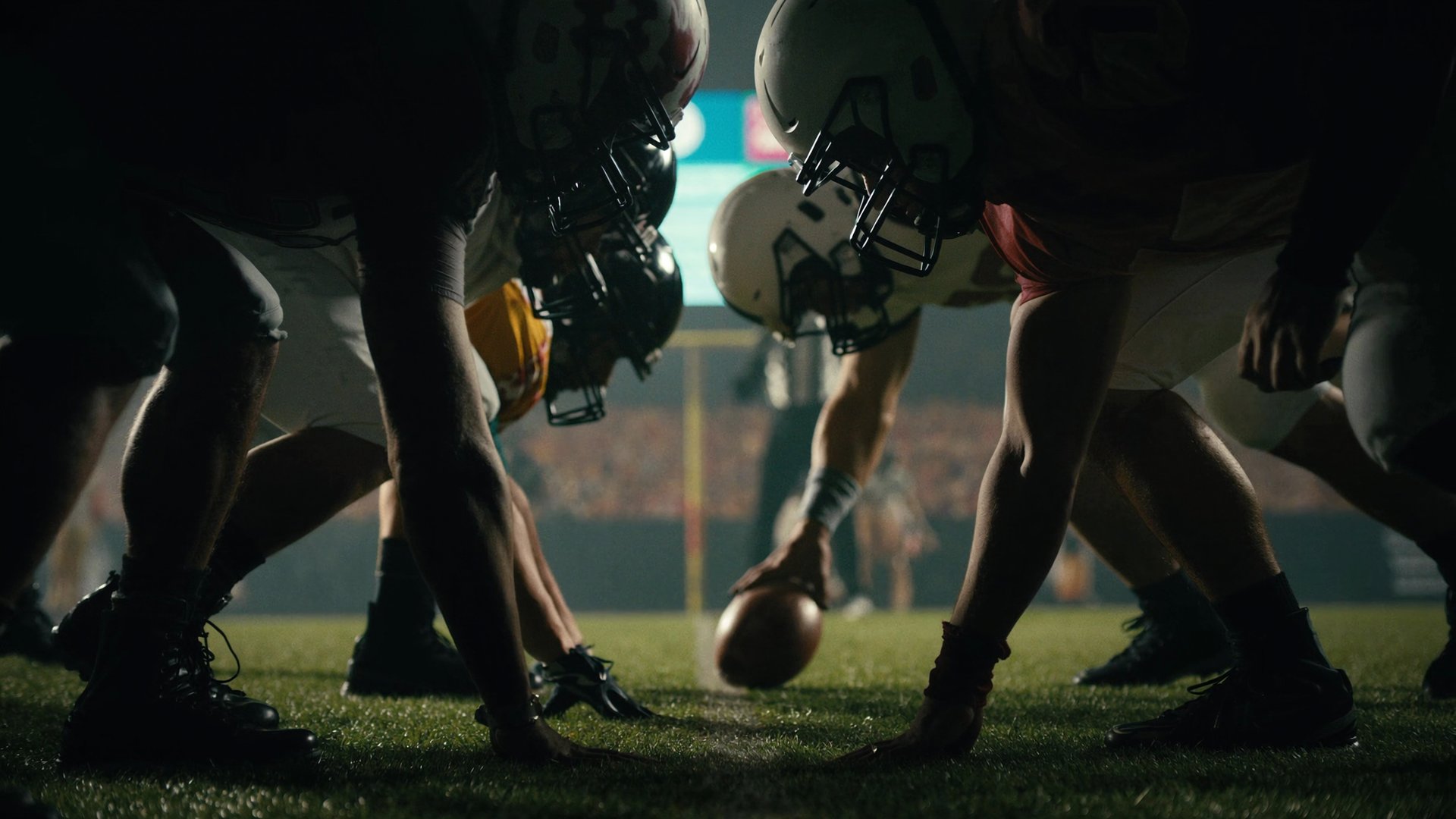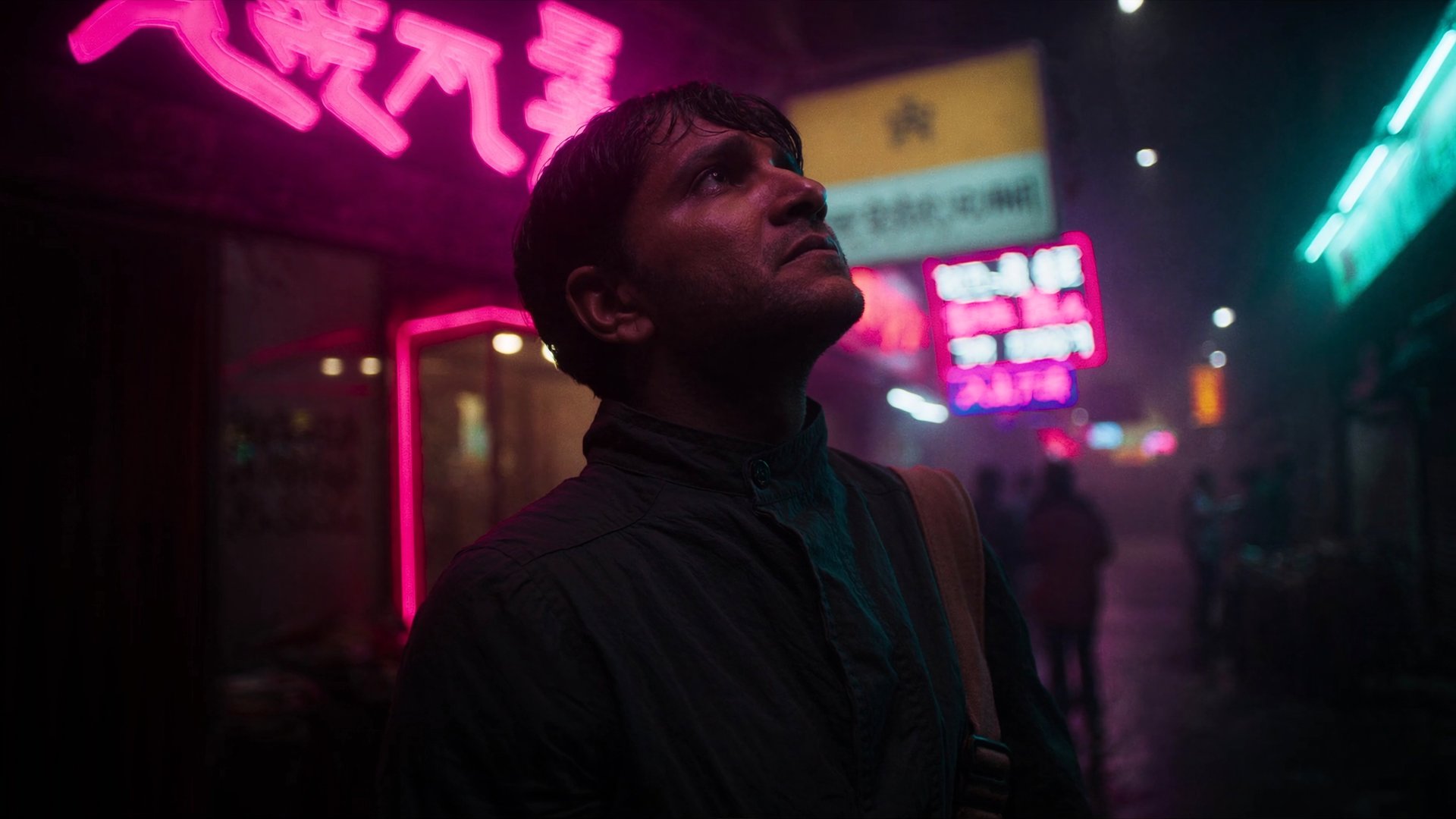
Most AI video tools give you one control: the prompt. Cinema Studio gives you a full director's panel before the model runs. Genre, style, lighting, lens and color, all apply at generation time. The prompt carries the scene description. The settings carry the visual logic. This guide walks through every setting, when to use each one, and three specific prompts that show how they work together.
What Lighting Actually Does in Generation
The wrong lighting preset can turn a golden-hour lavender field into something that looks like it was shot in a parking lot. The seven lighting presets determine how the model builds the image from the first frame: where shadows fall, how the subject separates from the background, what the scene says about itself before anyone does anything.
The mistake most people make is treating lighting as a style preference. It is causal. Here is how that plays out across different scenes:
You want to generate someone walking through a lavender field at sunset. This is warmth, depth, and separation. Use Contre-jour: the light source sits behind the subject, facing the camera, creating a warm halo along the head and shoulders while the face stays readable. The field catches the backlight and glows. If you use Overhead Fall instead, the light falls from above onto the crown and shoulders, the eyes go into shadow, and the scene loses the warmth and romantic quality entirely. The lavender field looks like an industrial location lit from above.
You want to generate a tense interrogation scene in a bare room. This is drama, asymmetry, and withholding. Use Soft Cross: a large soft source from the side at 90 degrees to camera, half the face in light, half in deep shadow. The transition is smooth but contrast is high. If you use Window instead, you get natural light that softens everything, and the scene reads as a quiet domestic moment rather than something with stakes.
You want to generate a character silhouetted against a city skyline. Use Silhouette: the subject goes against a bright background, the face becomes unreadable, only a black outline and shape remain. Maximum contrast, the story is told through form. Any other lighting preset will fight this by filling in the shadow and making the face visible.
You want to generate a scene where the character is lit only by candles. Use Practicals: only sources visible in the frame provide the light. Each candle creates an island of light, darkness fills everything between. No hidden fill is added. If you use Soft Cross, the model adds a hidden off-camera source that removes the candle-lit atmosphere entirely.
You want to generate an interior scene with architectural natural light. Use Window: only natural light from a window, no equipment. Soft flow that fades with distance from the source. The architecture decides what is in light and what is in shadow.
You want to generate a scene where the subject is in a temple or large interior space. Use Overhead Fall: soft source from above and behind, light on the crown and shoulders, eyes in shadow under the brows, lower body in darkness. This is the light of high ceilings and institutional spaces.
The underlying principle: every lighting preset tells the model something about the physical world the scene exists in. Matching the preset to the scene gives the model correct information about where the light sources are and what the space feels like.
Cinema Studio 3.5 Settings Reference
Cinema Studio 3.5 Settings ReferenceSetting | Options |
|---|
Genre | General, Action, Epic, Drama, Comedy, Horror, Noir |
Color Palette | Auto, Naturalistic Clean, Bleached Warm, Hyper Neon, Teal & Orange Epic, Sodium Decay, Cold Steel, Bleach Bypass, Classic B&W |
Camera MoveSet Style | Auto, Classic Static, Silent Machine, One Take, Epic Scale, Intimate Observer, Impossible Camera, Documentary Snap, Raw Chaos, Dreamy Flow |
Lighting | Auto, Soft Cross, Overhead Fall, Contre-jour, Window, Practicals, Silhouette |
Camera | Raw 16mm, Fine Film, Clean Digital |
Lens | Auto, Clinical Sharp, Extreme Macro, Anamorphic, Warm Halation, Vintage Haze |
Focal Length | 8mm, 14mm, 35mm, 50mm, 75mm |
Aperture | f/1.4 Wide Open, f/4 Moderate, f/11 Deep Focus |
What Each Setting Does
Genre is the creative context that shapes every downstream decision the model makes. General is the neutral register, no genre-specific visual logic imposed. Action brings kinetic visual logic, the compressed tension in how action frames are constructed, the sense that the image is tracking something rather than observing it. Epic is scale: wide compositions, environments as protagonists, light that treats the frame as something to be filled. Drama slows the visual logic down, the camera as witness, light that falls with intention on faces. Comedy is lighter on its feet, room in the framing, timing that works differently at the frame level. Horror uses uncomfortable angles, light that withholds, pacing that builds wrongly before anything happens. Noir introduces the shadow logic and restrained posture of that visual tradition.
Color Palette sets the tonal direction of the entire image. Naturalistic Clean delivers true-to-life colors with balanced white and soft shadows, the palette of documentary and lifestyle content where the story speaks for itself. Bleached Warm floods the frame with warm amber light, shadows shift to soft brown, highlights to creamy yellow, built for nostalgia and eternal golden-hour scenes. Hyper Neon pushes every hue to maximum intensity: neon magenta in highlights, acid green in shadows, built for club aesthetics and cyberpunk. Teal & Orange Epic is the classic Hollywood blockbuster palette: deep teal in shadows against rich orange in warm zones, skin glows while everything else falls into cool blue. Sodium Decay uses emerald green in shadows and sodium yellow in highlights, built for thrillers and scenes soaked in anxiety. Cold Steel drapes the entire frame in cold steel-blue, warmth absent everywhere, right for military scenes, noir, and sci-fi. Bleach Bypass delivers hard contrast, blown highlights, a silvery metallic sheen, built for war footage and gritty action. Classic B&W is pure monochrome with deep blacks and brilliant whites, no sepia, no toning.
Camera MoveSet Style controls how the camera moves through the scene. Classic Static locks to a single observation point like Hitchcock, strict geometry, no axis changes. Silent Machine moves with slow, invisible precision like Fincher, complex trajectories the viewer does not notice. One Take floats through space in a single continuous Steadicam move like Lubezki, no edit points. Epic Scale uses IMAX-scale movements like Hoytema, every movement designed for a massive screen. Intimate Observer watches closely through cracks and doorways like Sean Baker, lightweight handheld, the camera is close but does not interfere. Impossible Camera invents movement trajectories that have no physical equivalent. Documentary Snap motivates every movement through an event in the scene, snap zoom and whip pan. Raw Chaos uses aggressive shake and drifting focus like Greengrass, you are at ground zero. Dreamy Flow uses gentle sway and slow push-in like Christopher Doyle, neon on wet surfaces, intimacy at arm's length.
Camera sets the base image character. Raw 16mm introduces the specific grain structure and limited tonal range of 16mm film stock: not a filter, but the actual physical properties of that format built into the generation from the first frame. Fine Film delivers the warmth and organic detail of 35mm film, the texture that separates film from digital without the limitations of 16mm. Clean Digital is precision imaging with maximum resolution and no analog personality: the visual language of contemporary commercial production.
Lens shapes the optical character of the image. Clinical Sharp is precision glass with maximum resolution and minimum aberration, no optical personality imposed on the scene. Extreme Macro is extreme close-up character: proximity, shallow depth, and magnified surface detail. Anamorphic gives you the horizontal oval bokeh, the characteristic horizontal lens flare, and the slight barrel distortion that reads as theatrical. Warm Halation adds diffusion and warmth, highlights bloom slightly, the image breathes, skin tones are handled with grace rather than precision. Vintage Haze brings the optical character of older glass: increasing softness toward the edges, flare behavior shaped by physical coating, the breathing of lenses built before optical precision was the only engineering priority.
Focal Length controls the field of view and spatial compression of each shot. 8mm is extreme wide angle: dramatic environmental context, distorted perspective, the full world visible in the frame. 14mm is wide angle for dynamic action, wide landscapes, and scenes where the environment is as important as the subject. 35mm is close to natural human perspective, versatile and neutral. 50mm is a classic portrait-adjacent focal length that renders space naturally. 75mm introduces compression and separation, pulling the background closer to the subject, useful for intimate close-ups and shots where depth of field is the primary visual interest.
Aperture controls depth of field. f/1.4 Wide Open is maximum subject separation: the background blurs out completely, the lens is at its most optically expressive with the widest range of light gathering. This is the aperture for intimate portraits, subjects in low light, and shots where background context should recede. f/4 Moderate is the working aperture for most production situations: enough depth of field for context while still producing subject separation. f/11 Deep Focus keeps both foreground and background sharp simultaneously, right for wide landscapes, environmental shots, and any scene where the relationship between the subject and the world around them needs to read clearly.
Claude Chat is the AI director built into Cinema Studio 3.5. It adjusts Genre, Style, and Camera settings through conversation and the setting panels update in real time. It sees all characters, locations, and props in the project and uses the actual @tags in the prompts it generates. It can break a script into individual shots with camera parameters pre-filled. Claude-generated prompts go into the prompt box for your review before you click Generate. Claude never triggers generation directly.
Elements replaces image mode entirely. Characters, locations, and props are built as assets inside a dedicated creation flow, scoped to the project but pullable from other projects. Assets created in Elements carry into every shot automatically.
Three Scenes in Practice
How Do You Generate a War Scene That Feels Visceral and Real?
A 15-second sea crossing under bombardment: soldiers packed on a transport vessel, explosions erupting from the water, a landing under fire. The goal: 8K photoreal war cinema that reads as shot on location, not generated.
Settings: Genre: Action, Color Palette: Bleach Bypass, Camera MoveSet Style: Raw Chaos, Lighting: Practicals, Camera: Fine Film, Lens: Clinical Sharp, Focal Length: 14mm, Aperture: f/4 Moderate.
Why these settings: Action brings kinetic visual logic and the compressed framing of combat cinema. Bleach Bypass delivers hard contrast, blown highlights, and the silvery metallic desaturation of war footage: cold greys, muddy blacks, hot explosion-flash accents. Raw Chaos puts the camera at ground zero with aggressive shake and reactive reframes that respond to each blast. Practicals means only the sources visible in the frame, the explosion flares and muzzle fire, provide the light. No hidden fill is added, which keeps the bleak overcast light cold and naturalistic with only the blast flashes punching through the gloom. Fine Film builds organic 35mm grain into the generation from the first frame. Clinical Sharp at 14mm covers the full horizontal sweep of the packed deck, the grey sea, and the towering geysers across the width of the frame. f/4 Moderate keeps both the foreground crowd and the mid-ground vessel sharp while allowing the hostile shore to soften in the haze.
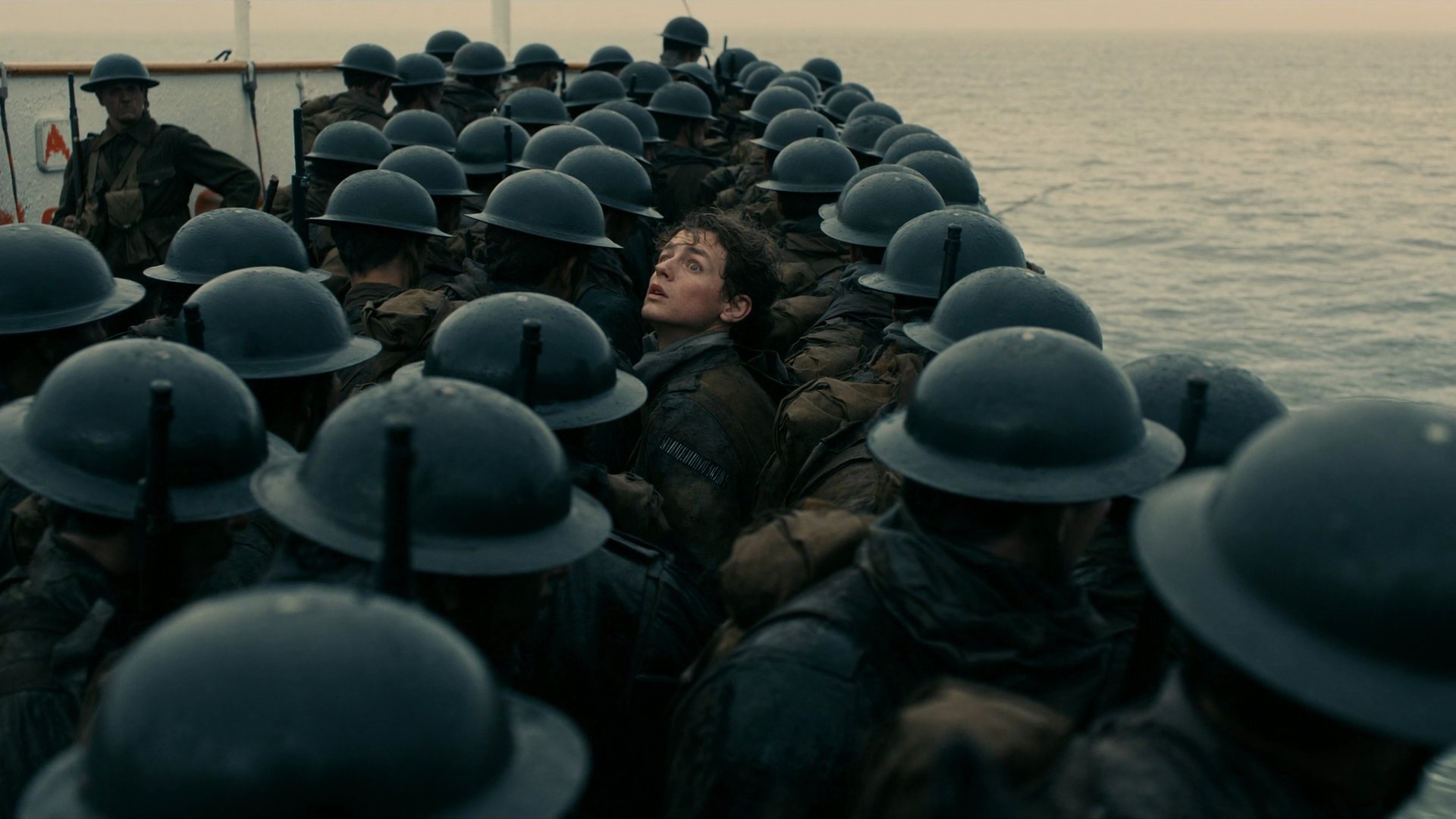
Style: 8K visceral, photoreal WAR-DRAMA cinema — soldiers crossing the sea to a hostile shore under bombardment, then landing under fire, built around a gripping 2-second hook. Handheld, alive, immersive, documentary-grade. References (in spirit, fully original execution): immersive large-scale war-film realism, the you-are-there handheld intensity of modern combat cinema, cinematographers Hoyte van Hoytema, Janusz Kamiński, Roger Deakins. Grim, tense, immersive, kinetic — war as lived experience. NOT a video-game cutscene, NOT a flat trailer, NOT UGC. Entirely real-time, NO slow-motion. Reference usage: Reproduce the uploaded KEYFRAME composition EXACTLY at Shot 3 — the dense mass of helmeted soldiers packed on the deck of a transport vessel, grey sea and pale horizon beyond — with the same young soldier in the middle as the focal point; BUT his action is changed: instead of looking up at the sky again (that beat already happened in the hook), he now DUCKS and flinches from the nearby blast, hunching into the crowd with fear on his face. The camera is always handheld/operator-held in or near the crowd — alive and reactive — NEVER head-mounted on a soldier, no helmet-cam/POV, no fisheye. ABSOLUTE ANTI-IP (top priority, NEVER violated): ZERO IP — a 100% ORIGINAL, GENERIC, UNNAMED wartime setting, NOT depicting any real war, nation, army, unit, battle, place or date. Generic period-style uniforms and rounded helmets with NO national insignia, flags, emblems, ranks, unit markings or readable text; generic unbranded rifles, ships and artillery; NO real locations or landmarks; NO real people/likeness; the score is original; NO real music. All on-screen text/titles/logos in POST. Cinematography: Handheld and immersive, multi-shot — a sudden reactive whip-up to the sky for the hook, tight jostling handheld in the packed crowd, explosion geysers erupting around the vessel, the boat reaching the shore, and a chaotic handheld landing-and-charge under fire; reactive focus, urgent reframes, real camera shake from each blast; horizontal 16:9. All real-time. Camera NEVER body-mounted on a soldier, no helmet-cam/POV, no fisheye. Favour broad horizontal scale — the packed crowd spread across the deck, the grey sea and hostile coastline stretching wide, geysers and drifting smoke reading across the full width of the frame. Lighting: flat, overcast, cold daylight, the bright flash of explosions and muzzle fire punching through the gloom, drifting smoke diffusing the light. Bleak, desaturated, high-tension, naturalistic; cold grey with hot explosion-flash accents. Pale cold light on the wet helmets and frightened faces, blasts flaring and silhouetting the soldiers in smoke and spray. Color: 60% cold desaturated greys (sea, sky, helmets, uniforms), 30% muddy browns and a sliver of skin, 10% hot accent pops (orange explosion-fire, muzzle flash). Bleak war-drama grade — desaturated, cold, high-contrast, washed and filmic, lifted muddy blacks, heavy organic grain. NOT clean, NOT HDR, NOT cartoonish. Camera: Arri Alexa Mini LF + spherical primes, an operator in/near the crowd, wide and mid focal lengths, urgent and reactive. 24fps real-time THROUGHOUT — NO slow-motion, NO overcranks, NO speed-ramps anywhere. Heavy authentic 35mm film grain, occasional spray/dirt on the lens. SHARP focus with reactive handheld pulls. Skin: pore-level realism — matte textured skin, wet with sea-spray and sweat, grime, stubble, chapped lips, reddened cold skin, wide frightened real eyes, breath visible in the cold. NOT plastic, NOT waxy, NOT smoothed. Acting: raw, fearful, urgent — dread, adrenaline, confusion, courage. NO clear dialogue — only shouted generic commands, cries and battle din. Physics: real and weighty — crowded deck shifting with the sea, sea-spray and wind, the incoming shell's shriek then the eruption of a towering water-and-debris geyser with a concussive shockwave that rocks the boat and camera, smoke and spray raining down, boots pounding wet sand, dirt kicked up by impacts, men stumbling and surging. Explosions, water, smoke and impacts only — NO blood, NO gore, NO wounds, NO bodies shown. THE 7 SHOTS (~15 seconds total, 16:9 widescreen, visceral war-drama, all real-time 24fps, handheld): Shot 1 — THE INCOMING / HOOK (0.0–2.0s): tight handheld on the young soldier packed in the crowd on the deck, sea-wind and tense murmurs, a rising SHRIEK of an incoming shell cuts through; his head snaps and his eyes whip UPWARD in dread, the camera whip-panning up with his gaze toward the pale smoke-streaked sky where a dark shape falls. Hard cut as the first blast lands. Shot 2 — FIRST EXPLOSION (2.0–4.0s): a colossal explosion erupts from the sea right beside the vessel — a towering geyser of water and debris, a concussive shockwave rocking the boat and shaking the camera, soldiers flinching and ducking, spray raining down; the wide frame catching the full sweep of the boat and the grey sea around it. Snap cut to the deck. Shot 3 — KEYFRAME / THE FLINCH (4.0–6.0s): EXACTLY the keyframe composition — the dense mass of helmeted soldiers packed on the deck, grey sea and pale horizon beyond, the young soldier in the middle as the focal point — as the shockwave and spray from the nearby blast hit, he DUCKS and recoils: shoulders hunching, head pulling down into the crowd, hands snapping up toward his helmet, face flecked with water and grime, jaw clenched in raw fear. He does NOT look up. Hard cut to more blasts. Shot 4 — BOMBARDMENT (6.0–8.0s): more explosions walk across the water around the boat — geysers erupting across the width of the frame, smoke drifting, the vessel pressing forward through the chaos toward the grey shore, men hunched. Snap cut to the shore approach. Shot 5 — REACHING THE SHORE (8.0–10.0s): the boat grinds toward the surf-line of the bleak hostile shore — the bow ramp/edge looming over churning shallows, the wide grey beach and drifting smoke stretching across the frame, soldiers tensing to move, distant blasts on the beach ahead. Hard cut to the landing. Shot 6 — THE LANDING (10.0–12.5s): soldiers pour off into the churning surf and storm onto the wet sand under fire — boots splashing, water spraying, men surging forward through smoke, dirt kicked up by impacts around them. No blood, no bodies. Snap cut to the charge. Shot 7 — THE CHARGE (12.5–15.0s): handheld in the thick of it — the soldiers charge up the smoking beach, generic rifles raised, muzzle flashes and explosions around them, the young soldier among them pressing forward with desperate resolve through the din. Hard cut to black on the charge. Audio: original instrumental score, fully generic, NO IP — a low dread drone and a relentless ticking/percussive pulse rising with the panic, a colossal hit on the first explosion, driving to a chaotic surge at the charge, roughly 100 BPM escalating. Diegetic: creak of the boat and slap of sea, wind and men's tense breathing, the rising SHRIEK/WHISTLE of an incoming shell, the colossal BOOM and roar of a water-geyser explosion, debris and spray raining, concussive ringing, shouted generic commands and cries, surf and pounding boots, the CRACK of generic gunfire and ricochets, and the chaotic din of the charge. NO clear real language, NO recognizable music, NO real-brand audio. Technical: 16:9 widescreen, 24fps real-time THROUGHOUT, heavy authentic 35mm grain, bleak desaturated war grade, SHARP reactive focus. No subtitles. No on-screen text/insignia/logos in engine — ALL titles/logos in POST. Non-graphic throughout.
How Do You Generate a Rally Chase Sequence That Feels Like a Feature Film?
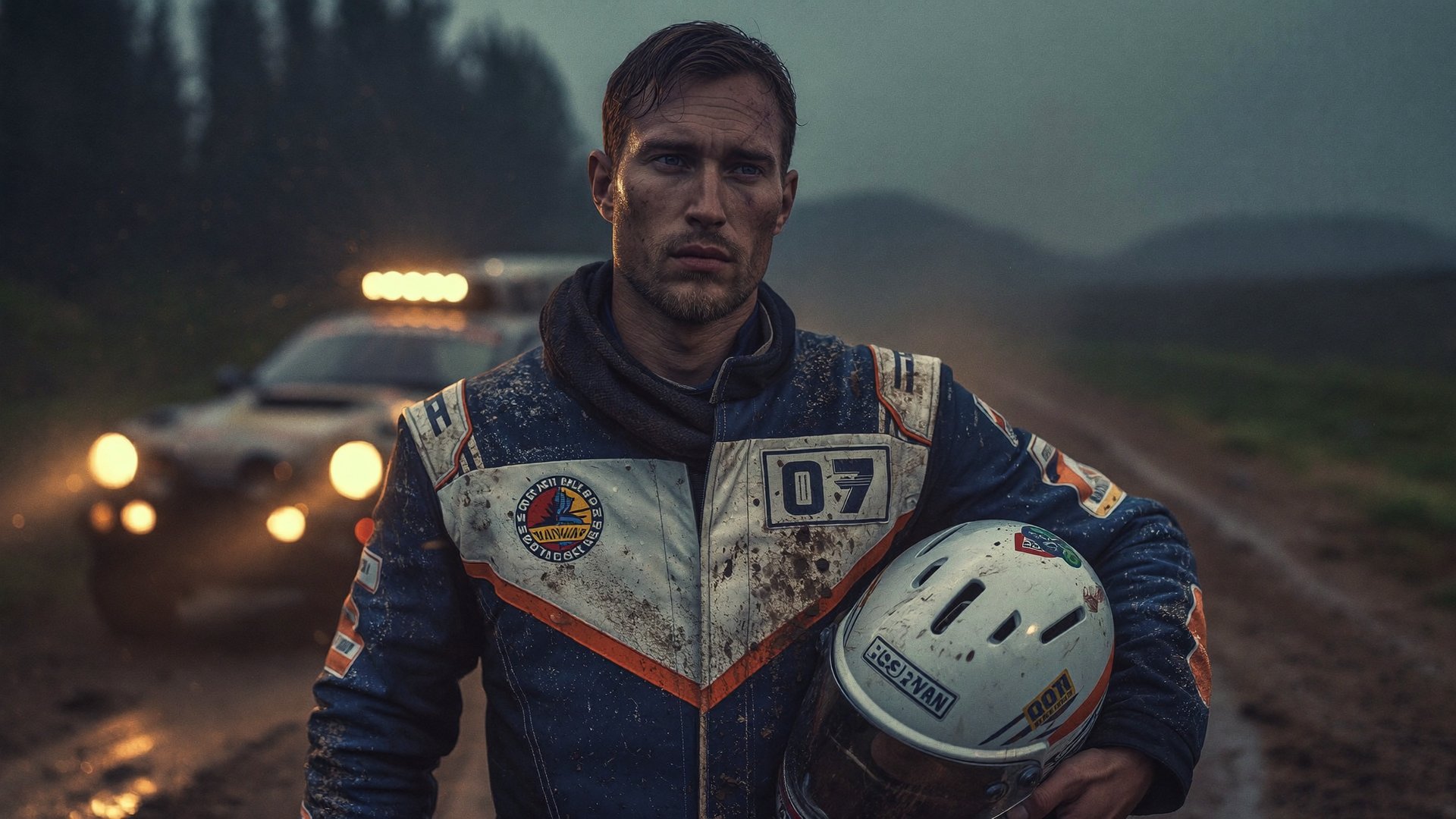
A six-shot escalating rally sequence: drift, fight, launch, land. The goal: raw handheld energy that reads as shot on location, not generated, with a cold blue-grey palette that breaks only for the headlights.
Settings: Genre: Action, Color Palette: Cold Steel, Camera MoveSet Style: Raw Chaos, Lighting: Practicals, Camera: Fine Film, Lens: Anamorphic, Focal Length: 14mm, Aperture: f/4 Moderate.
Why these settings: Action brings kinetic frame construction and the compressed timing of multi-shot editorial sequences. Cold Steel drapes the entire frame in cold steel-blue, which is exactly the dusk palette the sequence calls for, warmth absent everywhere except the four pod lights burning through it. Raw Chaos puts the camera at ground level with the aggressive shake and reactive reframes that handheld rally cinematography demands. Practicals means only the headlights and whatever ambient dusk light exists provide the illumination, no hidden fill added, which keeps the cold blue-grey reading naturalistic rather than lit. Fine Film builds 35mm grain into the generation from the first frame. Anamorphic at 14mm gives the horizontal sweep of a rally road through pine forest and the oval bokeh that reads as cinematic rather than documentary. f/4 Moderate keeps the car sharp while letting the pine forest behind it compress and strobe.
How Do You Generate an Epic Dark Fantasy Battle That Reads as Live-Action?
A 15-second paladin-versus-titan sequence: quiet hook, sword wrenched from earth, real combat exchanges, magical finisher with a pillar of light to the sky. The goal: epic dark fantasy cinema that reads as shot on location with practical creature work, not rendered.
Settings: Genre: Epic, Color Palette: Teal & Orange Epic, Camera MoveSet Style: Epic Scale, Lighting: Contre-jour, Camera: Fine Film, Lens: Anamorphic, Focal Length: 35mm, Aperture: f/4 Moderate.
Why these settings: Epic is scale and environments as protagonists, which is exactly what a titan-beast on a dawn battlefield requires. Teal & Orange Epic gives the specific palette the sequence calls for: cold blue bioluminescent shadow against warm dawn-gold and holy-light accents. Epic Scale uses IMAX-level movements, low-angle orbits and crane-scale framings, designed for a massive screen where the colossus needs to read as genuinely colossal. Contre-jour places the low dawn sun behind the subject and the beast, which is how the sequence is lit: the sky-beam in Shot 6 becomes the dominant key, backlighting the paladin from behind as the light pillars upward. Fine Film builds organic 35mm grain into the generation from the first frame. Anamorphic at 35mm gives the horizontal flare behavior the finisher needs when the holy-light beam erupts, and the oval bokeh that reads as theatrical rather than digital. f/4 Moderate keeps both the paladin and the beast sharp across the mid-ground while the burning battlefield behind them softens into atmospheric haze.
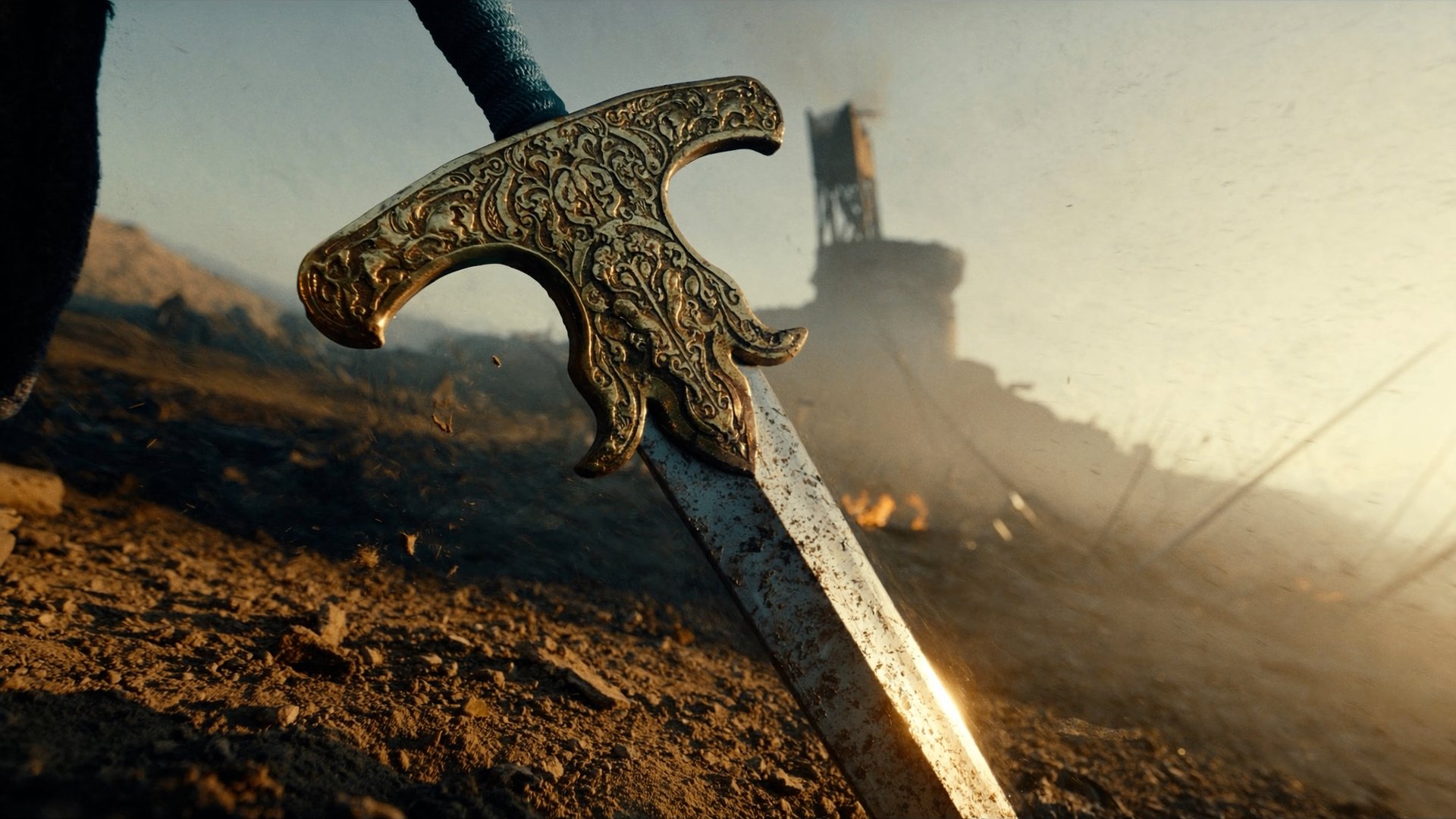
Style: 8K epic dark-fantasy CINEMA — a lone paladin trading blows with a colossal LIVING titan-beast on a burning dawn battlefield, built around an unexpected real-time hook, a real fight, and a magical light-charged cleaving finisher (the blade charges, a pillar of light shoots to the sky, then a cutting arc of light is released at the beast). Entirely real-time, NO slow-motion anywhere. References (in spirit, fully original execution): epic fantasy-battle and creature-feature cinema, the scale and grit of dark-fantasy film, cinematographers Greig Fraser, Roger Deakins, Newton Thomas Sigel. Epic, brutal, monumental, magical, cinematic — a single heroic stand. NOT a video-game cutscene, NOT a cartoon, NOT a flat trailer, NOT UGC, NOT anime — live-action photoreal. Reference usage: Use the BATTLEFIELD reference (Image 2) for the scorched dawn plain with the distant ruined tower, the CHARACTER reference (Image 3) for the paladin (face, the weathered silver-and-blue plate with the engraved sun/star crest, the ornate golden-guard sword, exactly), and the CREATURE reference (Image 4) for the colossal LIVING titan-beast (muscled hide, dark fur, bony antler-horns, blue bioluminescent veins and eyes, fanged maw, exactly). Reproduce the SWORD keyframe (Image 1) EXACTLY at Shot 2 — the ornate sword with the golden engraved guard driven into the scorched earth, blade catching the low sun, the ruined tower in haze behind — and at that moment the paladin's gauntleted hand grips it BY THE HANDLE/GRIP and wrenches it free. CRITICAL SWORD HANDLING: The paladin ALWAYS holds the sword by its HANDLE / GRIP — his hand is ALWAYS on the handle, NEVER on the blade. Every grab, lift, carry, parry and strike is hand-on-handle only; for the finisher he holds it TWO-HANDED on the handle, raised vertically in front of him. NO SLOW-MOTION (key rule): The ENTIRE clip plays in real time at 24fps — NO slow-motion, NO speed-ramps, NO overcranks anywhere, including the finisher. ABSOLUTE ANTI-IP (top priority, NEVER violated): ZERO IP — a 100% ORIGINAL dark-fantasy world, NOT resembling any existing game, film, anime or franchise. The light-charge / pillar-to-sky / light-cleave is an ORIGINAL generic holy-magic effect. The paladin's design and heraldry are original — the abstract geometric sun/star crest, NOT any real or game heraldry; NO real or franchise sigils, banners or logos; the titan is a completely original LIVING creature, NOT any known monster/titan/kaiju; NO real-location or franchise identification; NO real people/likeness; the score is original; NO real music. All on-screen text/titles/logos in POST. Cinematography: epic and kinetic — a deceptively quiet intimate macro that SLAMS into a colossal claw-strike for the unexpected hook, a tight reverent macro on the sword, real combat exchanges (dodges, slashes, a knockback) in dynamic tracking, a two-handed raise as the blade charges and beams light to the sky, and a great cleaving swing releasing a light-arc; shallow DOF on the hero macros, deep epic vistas on the reveals; horizontal 16:9. All real-time. Camera NEVER body-mounted on a person, no helmet-cam/POV, no fisheye distortion of faces. Lighting: low golden DAWN sun breaking through battlefield smoke, the warm glow of scattered fires and embers, the titan-beast's own blue BIOLUMINESCENT glow pulsing under its hide and in its eyes, and the paladin's sword blazing with magical golden-white HOLY light in the finale — including a brilliant vertical PILLAR/BEAM of light shooting up from the blade into the sky, washing the whole battlefield in golden-white light and casting long dramatic shadows. Epic, high-contrast, atmospheric, magical, cinematic; warm dawn and holy gold against cold blue smoke and bioluminescence. Color: 60% scorched battlefield tones (ash, churned earth, warm dawn haze) and the beast's dark hide, 30% warm dawn light and skin, 10% the cold blue bioluminescent glow plus the warm golden-white holy blade-light and sky-beam. Epic dark-fantasy grade — rich, desaturated steel-and-amber with electric-blue and holy-gold accents, deep contrast, lifted creamy blacks, weighty organic grain. NOT clean, NOT game-CGI bright, NOT cartoonish. Camera: Arri Alexa Mini LF + anamorphic primes; Laowa 24mm Probe/macro for the quiet open and the sword; crane and ground-tracking rigs for the fight and finisher. 24fps real-time THROUGHOUT — NO slow-motion, NO overcranks, NO speed-ramps anywhere. Weighty authentic 35mm film grain. SHARP focus. Skin: pore-level realism — matte textured skin slick with sweat and grime, visible pores, flushed exertion, short stubble/beard, a small scar, dust on his face, real moist eyes blazing with resolve, lit gold by the blade. The beast — photoreal living hide, wet muscle, matted fur, glistening fangs, drool, breath-mist, moist glowing eyes. NOT plastic, NOT waxy, NOT smoothed. Acting: heroic last-stand register — fierce resolve, grit, defiance against impossible scale; the paladin bracing, fighting, dodging, struck back, then rising to raise the blade, channel the light, and commit everything to one mighty cleaving release. Raw, physical, NOT theatrical. NO dialogue — battle-grunts and a defiant battle-roar only; the titan-beast emits a deep, guttural, living ROAR. Physics: real and weighty — the colossal clawed limb cratering the earth and the shockwave of dust and embers toward camera at the hook, the sword wrenched from packed earth, the beast's massive clawed limb-swings displacing air as the paladin rolls and dodges, the bite of the blade against living hide, a heavy swat sending the paladin skidding through ash, then the blade igniting and a brilliant vertical beam of light erupting from it into the sky (air distorting with heat-shimmer, ground dust lifting in the radiance), a big two-handed cleaving swing, and a released ARC of cutting light scything across the field and striking the beast in a burst of golden-white and blue light. NOT blood, NOT gore — a flare of magical and bio-light, a shockwave of smoke and dust. THE 8 SHOTS (~15 seconds total, 16:9 widescreen, epic dark-fantasy cinema, all real-time 24fps): Shot 1 — THE HOOK / UNEXPECTED SLAM (0.0–2.0s): open in eerie near-silence on a deceptively quiet macro — glowing embers and ash drifting slowly UP through a soft shaft of golden dawn light, gentle wind, no threat in sight. Then WITHOUT WARNING an ENORMOUS clawed limb of the titan-beast CRASHES down into the frame from above, filling the screen — the earth erupts, the camera violently shakes, a shockwave of dust and embers blasts toward the lens, a deafening roar shattering the calm. Hard cut to the sword. Shot 2 — THE SWORD / KEYFRAME (2.0–3.5s): EXACTLY the keyframe (Image 1): the ornate sword with the golden engraved guard driven into the scorched earth, the blade catching the low dawn sun, the ruined tower hazy behind. The paladin's grimed gauntleted hand closes around the wrapped HANDLE behind the guard and WRENCHES it free. Match cut to the fight. Shot 3 — FIRST CLASH (3.5–5.5s): the beast slashes a massive clawed arm down at him — the paladin rolls under it and, coming up, drives a slash across the passing limb (hand on the handle); the beast jerks back with a roar. Snap cut. Shot 4 — STRIKE AND RECOIL (5.5–7.0s): the paladin dashes in past a crashing stomp and hammers a strike into the beast's lower leg/flank; the colossus recoils, bellowing, blue veins flaring. Snap cut. Shot 5 — KNOCKBACK / BRACE (7.0–8.5s): a huge backhand swat catches him — the paladin skids backward through the ash, plants the sword to stop himself (hand on the handle), lifts his head undaunted, and steps forward to set his stance. Hard cut. Shot 6 — RAISE AND CHARGE / LIGHT TO THE SKY (8.5–11.0s): the paladin grips the hilt in BOTH hands on the HANDLE and RAISES the sword vertically in front of him, point to the sky — the blade IGNITES with golden-white HOLY light, and a brilliant PILLAR/BEAM of light erupts upward from the blade into the heavens, flooding the whole battlefield in radiant light, his upturned face lit gold and resolute, smoke and dust lifting in the glow. A held real-time beat on the sky-beam. Hard cut to the swing. Shot 7 — THE CLEAVING SWING (11.0–13.0s): the paladin sweeps the light-charged blade down and forward in a massive two-handed cleaving SWING toward the beast, RELEASING a brilliant scything ARC of golden-white cutting light that scythes across the smoke-filled field at the colossus, his whole body behind it. Continuous into the impact. Shot 8 — THE IMPACT / END (13.0–15.0s): the released light-arc SLAMS into the colossus in a blinding BURST of golden-white holy light and blue bio-light (NOT blood, NOT gore), a vast shockwave blasting smoke and dust outward across the field, the paladin standing firm and lit gold at the center of the radiance, blade extended from the swing. Hard cut to black on the light striking home — hold for the post title/logo. The fall is not shown. Audio: original instrumental score, fully generic, NO IP — an eerie hush at the open shattered by a colossal hit, driving percussion and rising choir through the fight, a soaring radiant choral build as the blade charges and the light pillars to the sky, and a massive crescendo on the cleaving release, roughly 100 BPM building to a huge accent on the strike. Diegetic: soft wind and a faint heartbeat in the quiet open, then the earth-shaking BOOM and crater-rumble of the claw-slam and the beast's wet ROAR, the metallic ring and earth-grind of the blade pulling free, his heavy breath and battle-grunts, the WHOOSH of massive clawed limbs and the bite of the blade on hide, the THUD of being knocked back, ash and wind, a rising magical shimmer-and-hum swelling into a resonant tonal ROAR as the light-beam erupts skyward, the whoosh of the big swing, and the searing CLEAVE-and-flare of the released light-arc striking home. NO recognizable music, NO known theme, NO real-brand audio. Technical: 16:9 widescreen, 24fps real-time THROUGHOUT, weighty authentic 35mm grain, gritty epic dark-fantasy grade, SHARP focus. No subtitles. No on-screen text/logos in engine — ALL titles/logos in POST. Non-graphic throughout.