Before AI, planning shots meant hand-drawing panels, hiring a storyboard artist, or spending hours in expensive 3D software. Now you can go from a script paragraph to a complete visual sequence in under five minutes, with the same character across every single frame. Here are the eight tools worth knowing about in 2026, what each one actually does, and what you will pay.
What Previsualization Actually Is and Why It Matters
Previs is the process of planning what a shot will look like before you film or generate it. A storyboard shows the framing, character positions, and light direction in each moment. An animatic adds timing and motion on top of that. Full 3D previs adds precise camera blocking where every measurement is geometrically accurate.
The reason serious filmmakers previsualize is straightforward: changing a shot at the planning stage costs nothing. Changing it on set or in post costs hours and often real money. A storyboard gives the director, DP, and crew a shared visual language before anyone picks up a camera or opens a generation tool.
AI previs tools collapse the gap between having an idea and having something visual to show the team. You describe the scene in text, drop in a character reference photo, and get a complete storyboard sequence in minutes rather than days.
The 8 Tools at a Glance
Tool | Best for | Output | Starting price |
|---|---|---|---|
Higgsfield Popcorn + Cinema Studio | Storyboard with character consistency + cinematic video output | Storyboard + video | $9/mo |
Katalist AI | Script-to-storyboard with built-in animatic and video | Storyboard + animatic + video | $19/mo |
LTX Studio | Full pipeline from script to final export | Storyboard + video + timeline | $15/mo |
Runway | Shot reference generation and visual previs | Storyboard + video | $15/mo |
ShotDeck | Film still reference library for communicating visual language | Reference library | ~$15/mo |
HeyGen AI Video | Presenter-based previs for spokesperson content | Avatar video | $29/mo |
DrawStory | Fast script-to-storyboard for directors and agencies | Storyboard (sketch/comic) | $26/mo |
Blender | Open source 3D camera blocking with full geometric accuracy | 3D previs + animatic | Free |
Prices verified July 2026. Check each platform before committing.
Higgsfield AI Popcorn + Cinema Studio: Storyboard to Actual Cinematic Video
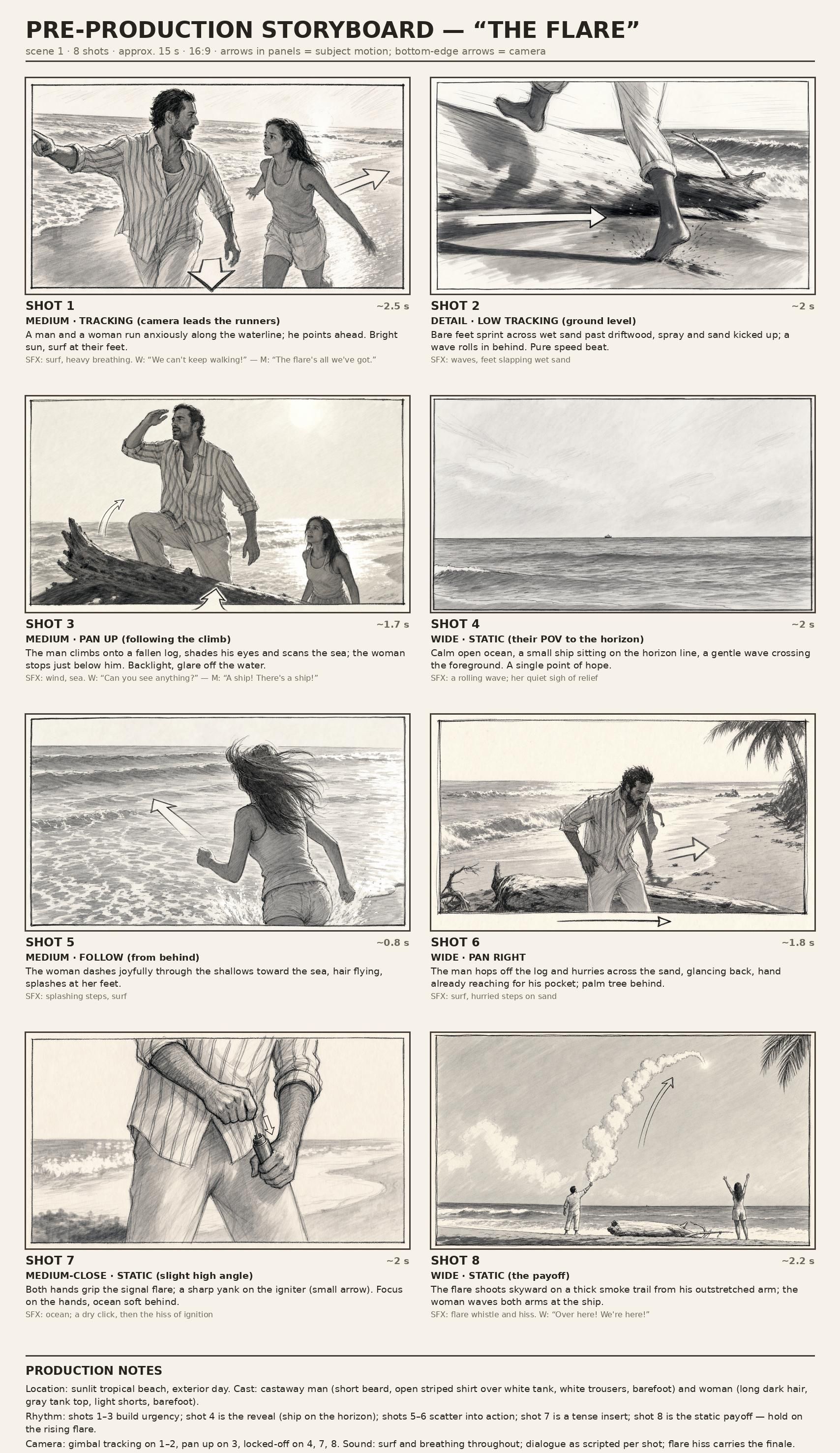
Most previs tools stop at static frames or rough animatics. Higgsfield goes further. Popcorn is Higgsfield's AI storyboard generator, and the key difference from any other image tool is that it generates the whole sequence at once, not frame by frame. The same face appears in every panel automatically. Character identity, lighting logic, spatial context, and atmosphere all carry through from the first frame to the last.
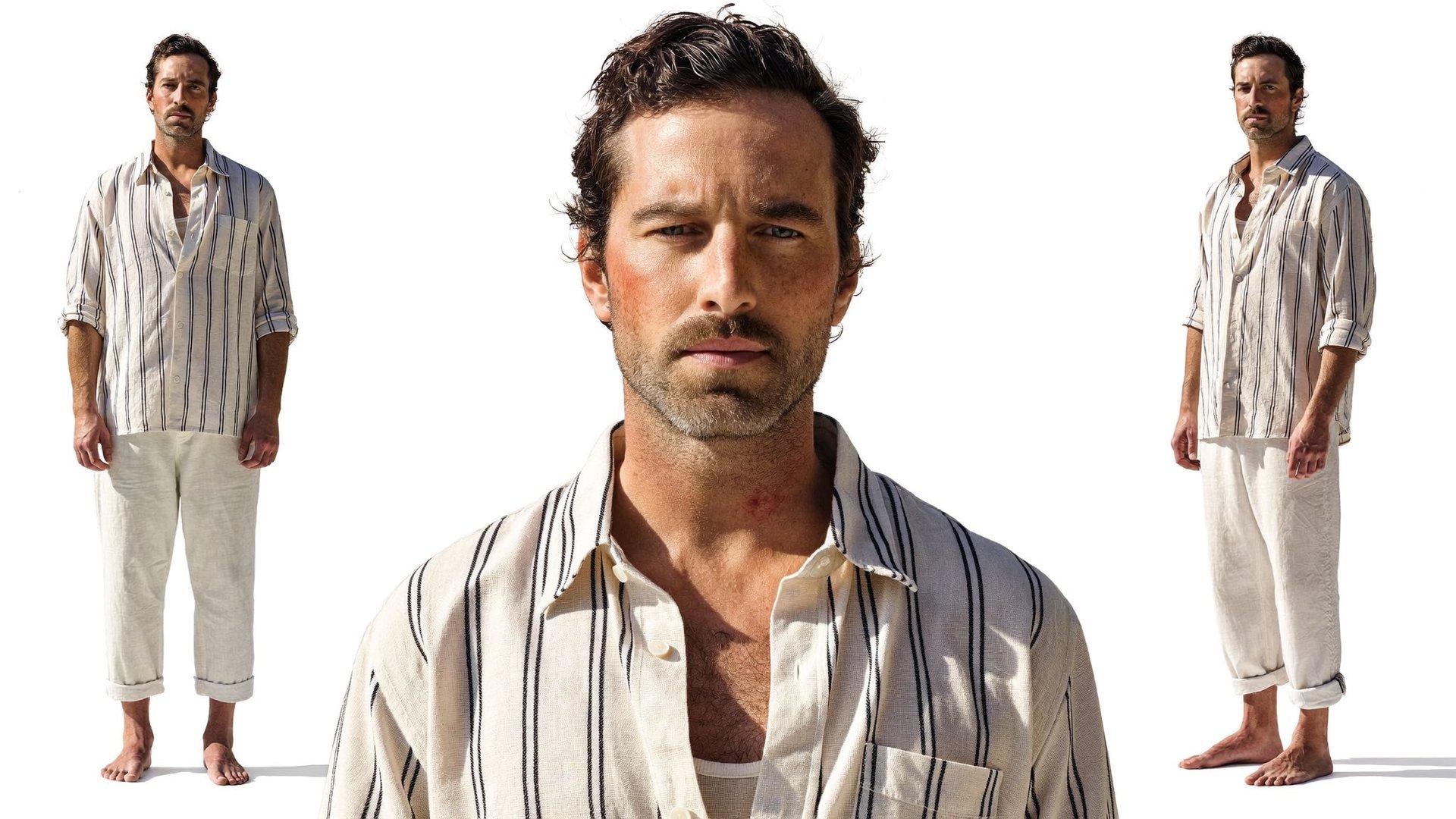
Here is how it works: you upload up to four image references per generation (a character portrait, a location photo, props), write a prompt describing the scene arc, choose up to 8 frames, and generate. The result is a multi-frame storyboard sequence where the character, lighting, and atmosphere stay consistent across every panel without any manual work between frames. There are two generation modes. Auto mode takes one prompt and distributes the story arc across the frames automatically. Manual mode lets you define each frame individually when you need a specific beat to land at a specific moment.
Cinema Studio is where the storyboard becomes actual video. The frames you generated in Popcorn feed directly into Cinema Studio as reference inputs, and from there you set the shot-level cinematic decisions that most AI tools skip entirely: genre, lighting preset, lens character, focal length, aperture, color palette, camera movement style. These are not stylistic filters applied after the fact. They are the creative logic the model builds the shot from at generation time. The output is cinematic video that reflects the visual decisions you planned in the storyboard phase, not a rough animatic.
No other tool on this list takes you from storyboard frames to actual cinematic video with per-shot optical and lighting control built into the generation. That is the gap Popcorn and Cinema Studio close together.
Where it falls short: Video generation takes longer than static frame tools. If you need 400 panels quickly for a client presentation, a static tool will get there faster.
Pricing: Basic $9/mo (120 credits), Plus $49/mo (1,000 credits), Ultra $129/mo (3,000 credits).