Blog

How to Create AI Content for TikTok in 2026: Step-by-Step Guide

HiggsfieldAug 16, 202610 min
How to Create AI Content for TikTok in 2026: Step-by-Step Guide

To make AI content for TikTok, you need a consistent character, a hook strong enough to hold attention past the first two seconds, and the right tool for whatever you're building. This guide covers five formats you can build on Higgsfield. It also covers how hooks and batching work well together. And what TikTok's current rules require for labeling AI content properly.

What High-Quality TikTok Content Looks Like, and What AI Can Make

TikTok can detect and label AI-generated content, but using AI does not automatically stop a video from being recommended. For the For You feed, TikTok considers signals such as watch time, full watches or skips, likes, comments, shares, content information, and user information.

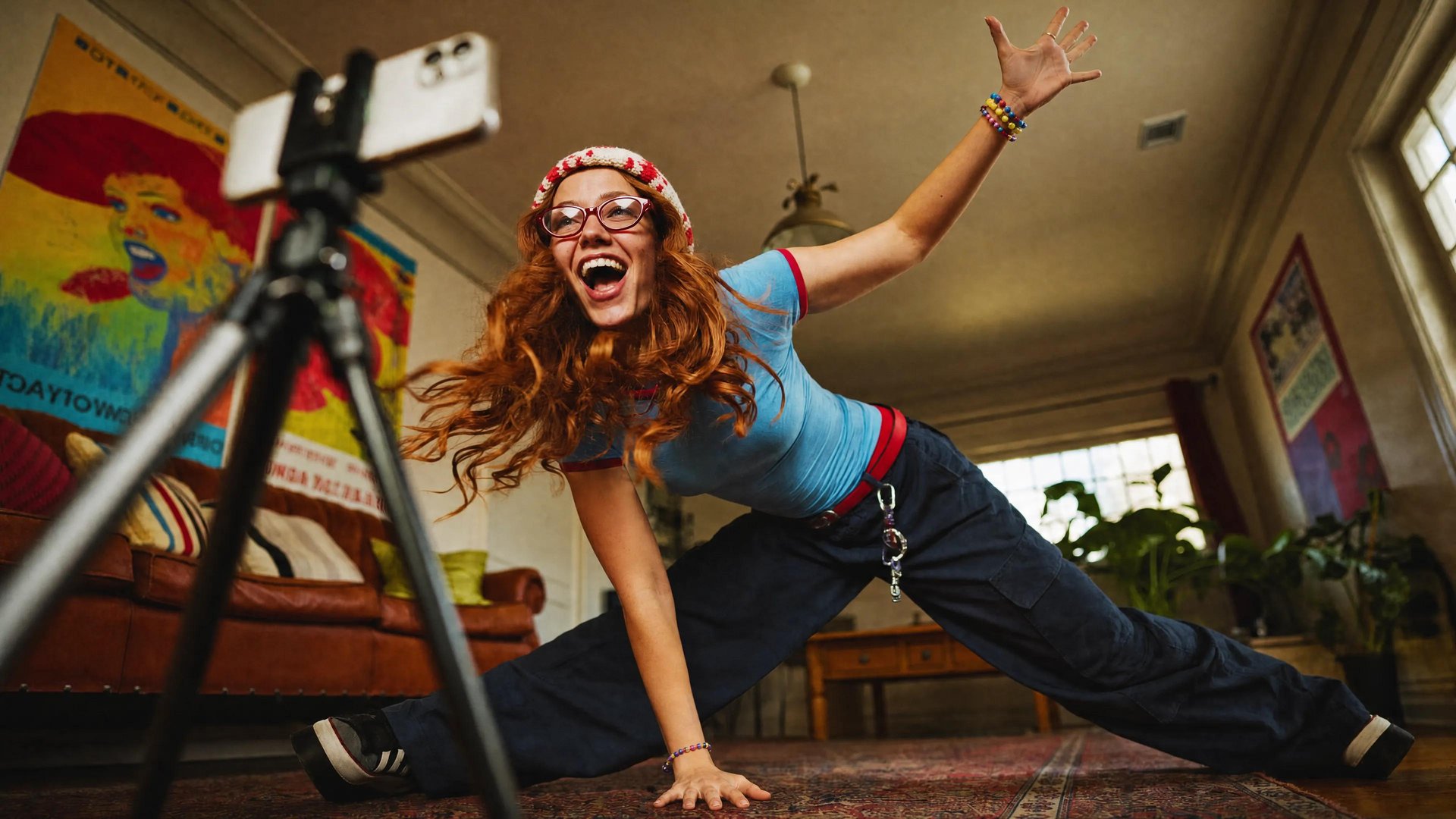
And a lot of what's working right now is already AI-made. Lip-sync videos, someone delivering a script over B-roll, are everywhere in finance and productivity content. Faceless channels, with a script and a generated voice, are doing well in those same niches. Product ads, UGC-style clips with the same character showing up every time, all of that gets built the same way now, and none of it gets treated differently by the algorithm.

Most of that gets decided in the first two seconds. The hook is what keeps someone from scrolling past before the rest of the video gets a chance. With a trained character already built, it's easy to write five or ten different opening lines and generate a quick clip of each one, a direct question, a bold claim, a relatable complaint. A line can read well on the page and still fall flat once a real voice says it out loud, so it's worth watching the test clips back before picking one.

  • Lip-sync and faceless channels are already some of the highest-volume content on the platform.

  • Product ads and UGC-style clips built around one character work the same way.

  • The hook decides whether the rest of the video gets watched at all, and it's worth testing a few versions before picking one.

How to Make It on Higgsfield

Five formats cover most of what a TikTok channel needs, and each one runs through a different tool.

How to Make It on Higgsfield

Format

Tool

Best For

AI influencer

AI Influencer Studio

Building a custom host or character from scratch, human or not

Viral video

Viral Presets

Turning that character (or any clip) into a finished, effect-driven video in one click

Talking avatar

Soul ID + LipSync Studio

A recurring presenter delivering scripted content, explainers, or commentary

Shorts

Shorts Studio

Cutting a longer video down into TikTok-length content

Branded ad

Marketing Studio

A product-focused video meant to run as an ad or sponsored post

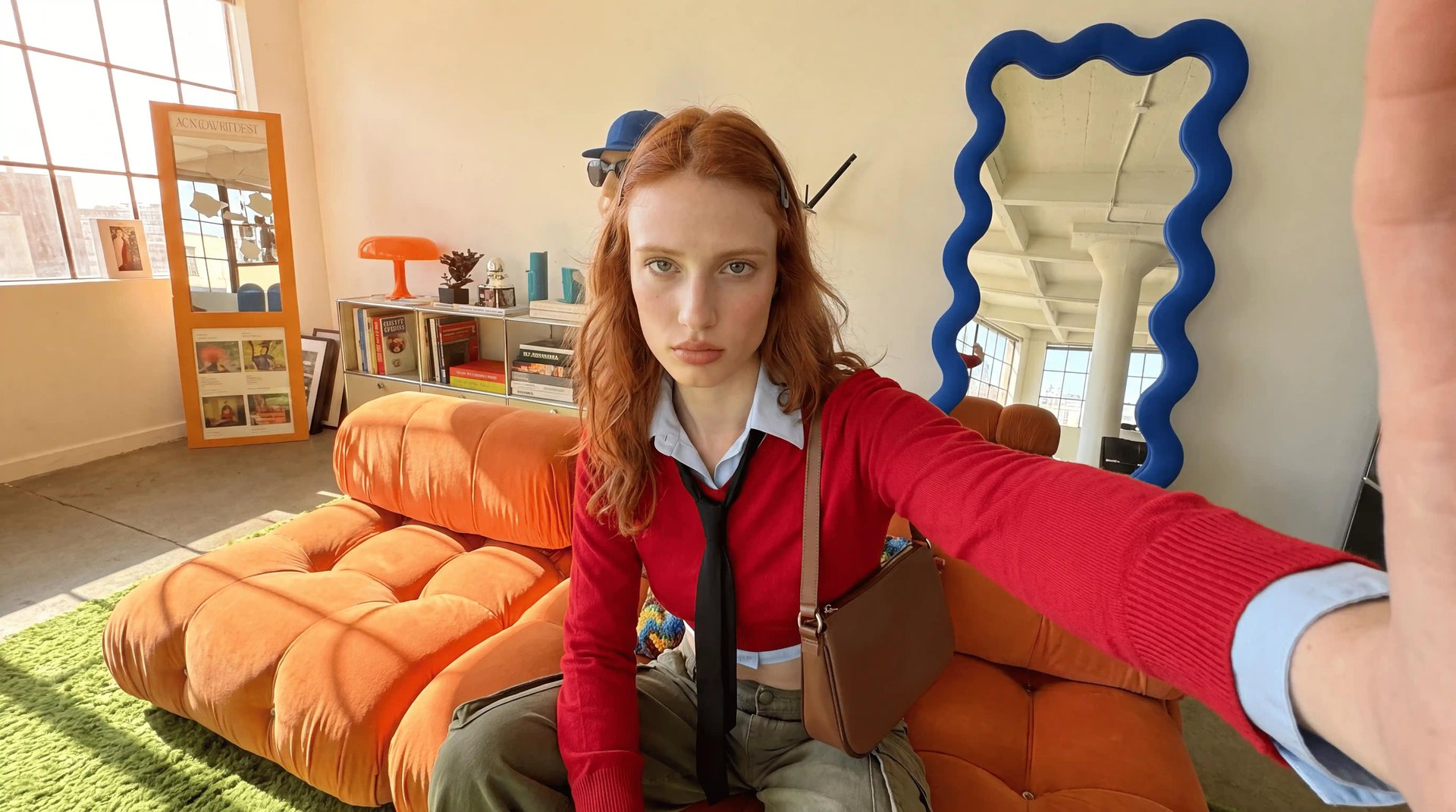
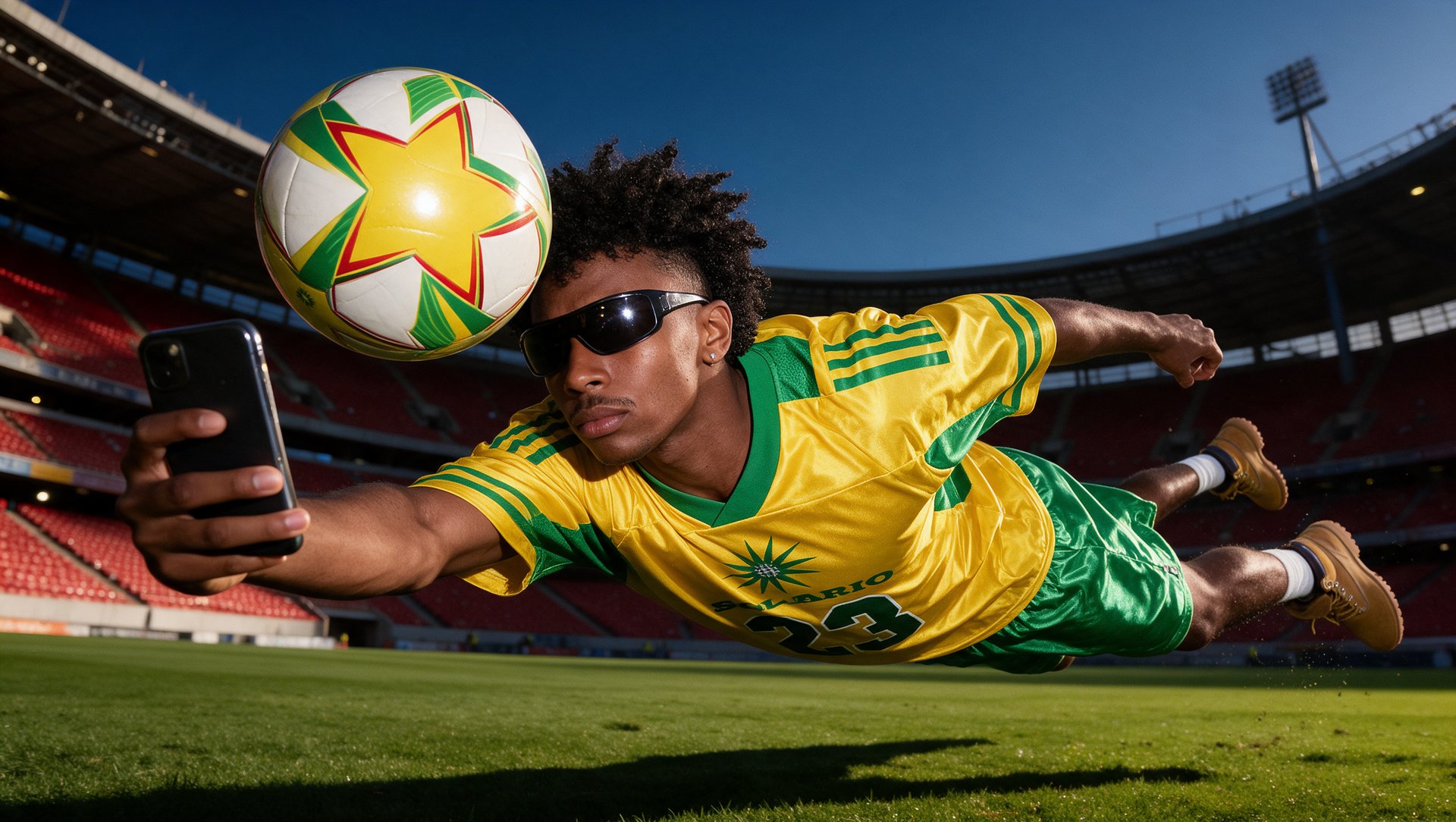
AI Influencer + Viral Video. AI Influencer Studio builds a character from scratch, 10+ character types, gender, ethnicity, skin, eye color, age, face, body, and style. Human isn't the only option, reptile eyes show up as one of the non-human choices. Once your character is ready, you can turn it into a viral video using Viral Presets, including Bullet Time, Earth Zoom, Action Figure, Noir, Vintage, Pearl Earring, Knight's Diary, Fairytale Castle, and 50+ more. AI Influencer Studio creates the character. If you plan to reuse that character across a channel, train the finished identity in Soul ID before generating multiple videos.

AI Talking Avatar. Soul ID trains a face once, then LipSync Studio uses it to generate speaking video across 10 different lip sync models. A photo, a script, and generated voice are enough, the trained identity carries into every new video without a fresh upload each time. A channel with a recurring presenter, product explainers, talking-head commentary, runs on this.

Shorts. Shorts Studio takes a video up to 2 minutes long and cuts it down, either through one of 40+ presets or a custom style. A podcast clip, a longer brand video, a webinar recording, all become TikTok-length content without manual editing.

Branded ad. Marketing Studio splits into Image and Video, with separate style categories for each, Product Shot, Ads, and Marketplace for images, Motion for video. Product Shot alone has 8 styles: Closeup, Faceless, Full Body, Editorial, UGC, Studio White, Color Pop, Natural. Ads covers Social Proof, Comparison, and Problem → Solution, built for direct-response creative specifically.

Full Workflow: Step by Step

Workflow A: AI Influencer + Viral Video

  1. Open AI Influencer Studio and set the character type, gender, ethnicity, skin, eye color, and age. This is what defines the host.

  2. Adjust face, body, and style under Advanced Settings for finer control over the look.

  3. Generate the character.

  • On your AI character, an option to turn it into a video shows a few preset choices right there, Bullet Time, Earth Zoom, Noir among them. Tap Explore More to reach the full Viral Presets page and pick from any of the 50+ available.

  • Apply the preset to the character and generate the clip.

  • Reuse the same character with a different preset for the next video, so the channel keeps the same host across posts.

  • Workflow B: AI Talking Avatar

    1. Train your character in Soul ID. Upload 20+ photos of the same person from different angles. Once trained, the identity carries into every future generation without a fresh upload each time.

    2. Write the script for the video. The script drives both the voice and the facial delivery.

    3. Generate voice from the script before touching video, since the voice is what the face animates to.

    4. Open LipSync Studio and choose a preset.

    5. Apply the trained Soul ID and generate the speaking video.

  • Reuse the same Soul ID for the next script, no new photos needed.

  • Workflow C: Shorts

    1. Upload the source video, up to 2 minutes long.

    2. Choose one of the 40+ presets, or build a custom style. This sets the pacing and visual treatment.

    3. Apply the preset or style to the footage.

    4. Generate the short-form cut.

  • Repeat with a different section of the same source video to get additional shorts from one upload.

  • Workflow D: Branded Ad

    1. Open Marketing Studio and choose Image or Video, deciding the output format first.

    2. Pick a style category, Product Shot, Ads, or Marketplace for images, Motion for video.

    3. Select the specific style within that category, Closeup, UGC, Social Proof, Problem → Solution, or others. This is the actual visual and messaging angle.

    4. Add the product, either by uploading a photo directly or pasting the product's URL so the tool can pull the image itself.

    5. Describe the scene in the prompt field: what the product is doing, where it is, who's holding it if anyone.

    6. Generate the ad.

    Batching

    Once one video in a format works, Supercomputer can repeat the structure across many topics without rebuilding anything from scratch. Describe the series format, the recurring character, and the list of topics in plain language, and the agent plans the batch, applies the trained identity consistently, and generates each video as its own clip. Memory persists across the batch, so the character, the visual style, and the format carry through every video without re-specifying them each time.

    Pricing

    Each workflow draws from the same Higgsfield credit pool, so cost comes down to what's generated. Here's what each one runs, based on what we tested.

    Pricing

    Workflow & Tools

    Length & Resolution

    Cost

    A: AI Influencer Studio + Viral Presets

    15 sec, 1080p

    2 credits (character) +

    40 credits (clip) ~ $2,10

    B: Soul ID + LipSync Studio

    10 sec, 1080p

    4 credits (character) +

    20 credits (clip) ~ $1,20

    C: Shorts Studio

    15 sec, any resolution

    45 credits ~ $2,25

    D: Marketing Studio

    15 sec, 1080p

    90 credits ~ $4,50

    TikTok's Rules on AI Content and Labeling

    The core rule: any AI-generated content a reasonable viewer could mistake for real footage needs a visible label. This applies to realistic-appearing people or scenes specifically, not to every piece of content that touched an AI tool anywhere in production.

    TikTok's Rules on AI Content and Labeling

    Requires a Label

    Doesn't Require a Label

    Synthetic faces, AI-generated or face-swapped

    AI-assisted scriptwriting

    Voice clones or AI narration that could pass as real

    Hashtag generation

    Photorealistic AI-generated backgrounds or scenes

    Caption drafting

    Photorealistic AI product shots

    Real product photos with AI-written captions

    How labeling happens:

    • Manual disclosure. TikTok's upload flow has a built-in toggle for AI-generated content. This is the direct route, worth using by default for any video built around a trained AI character.

    • Automatic detection.TikTok scans uploads for C2PA Content Credentials, metadata many AI tools embed automatically, and applies its own label if detected, whether or not the creator disclosed manually. Once auto-applied, this label cannot be removed after posting.

    There's no advantage to skipping manual disclosure and hoping detection misses it. The label itself doesn't affect reach either way. What costs an account is getting caught after the fact, a retroactive flag carries the same penalty as never disclosing at all, without the benefit of having controlled how it looked.

    For commercial content, TikTok's commercial-content disclosure still applies separately. If the ad also contains realistic AI-generated people, audio, or scenes, the AI-generated-content disclosure may be required as well, the two solve different problems and aren't interchangeable.

    TikTok may remove or restrict unlabeled realistic AI-generated content that violates its disclosure rules. Repeated or serious Community Guidelines violations can also lead to account restrictions or bans.

    Using TikTok's AI label does not itself reduce distribution, but monetization depends on the separate eligibility rules of programs such as Creator Rewards, which requires original, high-quality content at least one minute long. Sponsored or ad content doesn't qualify as original for that program regardless of how it's labeled.

    What Ships on a TikTok Channel

    A TikTok channel built with AI still depends on the same things a filmed one does, a hook that stops a scroll, a consistent presence a viewer recognizes, a format that matches the goal. AI Influencer Studio builds a character once and keeps it through every Viral Preset applied afterward. Soul ID trains a face once and keeps it through every LipSync Studio clip. Shorts Studio and Marketing Studio run their own separate jobs on top of all that, and Supercomputer takes whichever one already works and turns it into a full batch.

    Labeling fits into the same upload flow every video already goes through, one tap before posting. A channel built entirely around a trained character, labeled at every post, runs into no more restriction than one filmed with a camera and a crew.

    How to Create AI Content for TikTok in 2026: Step-by-Step Guide

    Try Higgsfield AI

    Got any questions left?

    No. AI Influencer Studio builds one character reused across every Viral Preset, and Soul ID trains one face reused across every LipSync Studio generation. Either way, the identity gets built once, not rebuilt per video.
    Viral Presets, built for one-off, effect-driven videos, not a recurring character-led format.
    An AI Influencer Studio character can carry across Viral Presets, but Marketing Studio ads run on their own product and creative direction, not a Soul ID or AI Influencer character.
    Yes. TikTok permits AI video, voice, and visuals. Disclosure through a visible label is required when the content depicts a realistic person or scene.
    TikTok may auto-apply an AI-generated label when it detects AI content or Content Credentials. Unlabeled realistic AI content can also be removed or restricted for violating disclosure rules.
    Five to ten variants against the same idea, tested as short clips with the trained character before committing to a full script.
    No, not if it's labeled. The label itself doesn't affect distribution, only getting caught unlabeled does.

    by Higgsfield

    Share article