Case studies

From Madonna to Dolce & Gabbana: Sasha Kasiuha on Why the Image Still Needs an Author

HiggsfieldAug 14, 20267 min
From Madonna to Dolce & Gabbana: Sasha Kasiuha on Why the Image Still Needs an Author

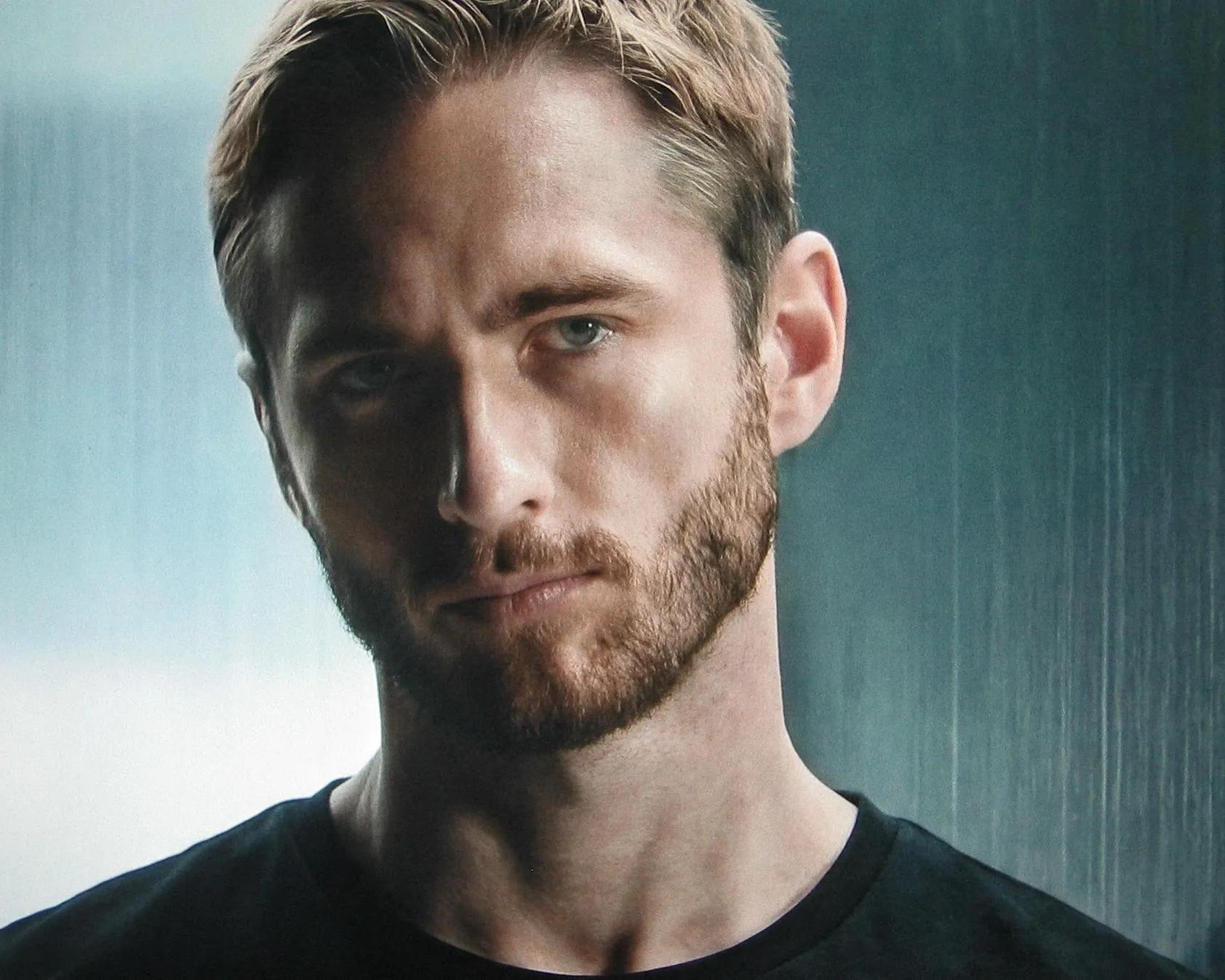
Sasha Kasiuha is a creative director and film director working across fashion, performance and cinematic storytelling, with projects spanning Madonna, Maison Margiela during the John Galliano era, Sam Smith and Tom Ford. His practice moves between live action, post-production and generative image-making, with authorship and selection at its center.

For Kasiuha, the tool is never the premise. The work begins with a world, a visual standard and an emotional intention.

I call AI adoption the post-CGI era of image-making.

"A frame might begin in camera, in a photograph, in post-production or through a generative system. What makes it authored is the continuity of direction across those stages. The tools can widen the field, but they cannot decide what belongs."
How was Higgsfield useful during post-production?

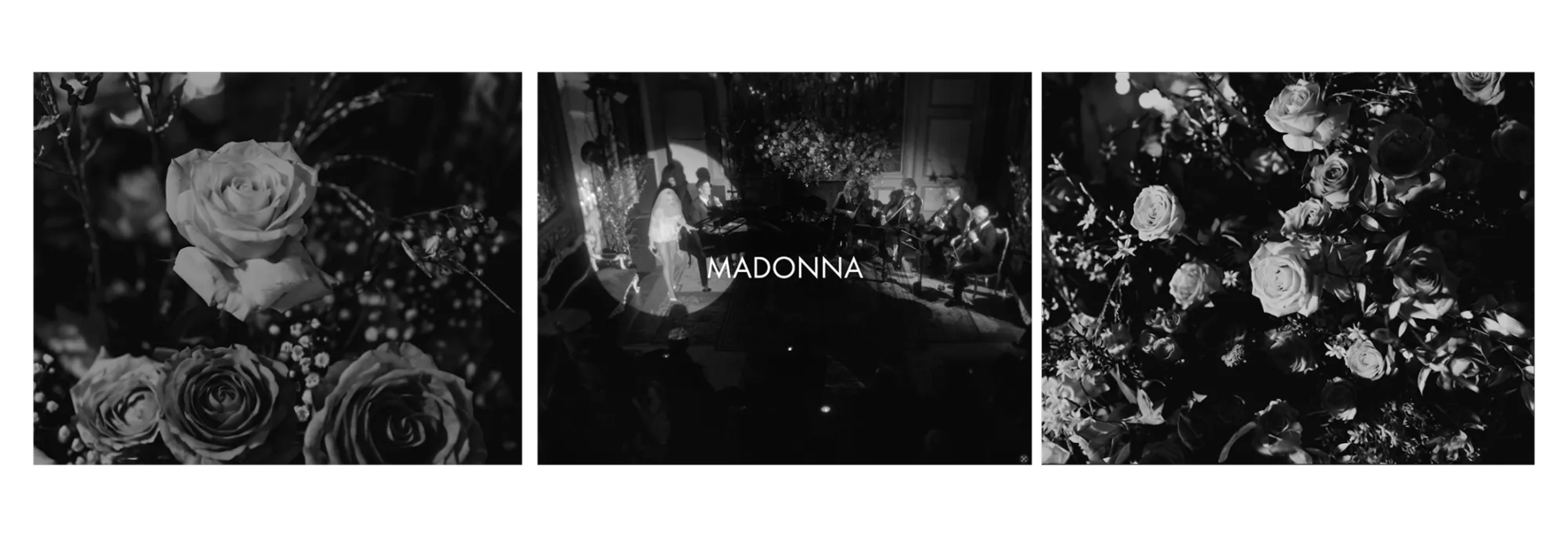
The Dolce & Gabbana film was captured on a physical set. In post-production, Kasiuha used Higgsfield to develop a small group of inserts from backstage photographs, isolating details and extending roses, candles and other elements already present in the visual world of the shoot.

"The intervention was deliberately small," he says. "It was there to give the edit a little more atmosphere and rhythm, not to impose another aesthetic."

Visual development with Higgsfield. Dolce & Gabbana film. Sasha Kasiuha contributed selected AI-assisted B-roll. 

Testing during pre-production used to cost the world

In the old production model, finding out whether an idea worked could become a budget line in itself: crews, sets and shoot days committed before anyone knew whether the world on the page could hold a single frame. Ask Sasha where the biggest shift has happened and he points not to the finished film, but to the moment before it exists. It is strongest when you need to build a world quickly, test a tone, discover an unexpected direction or pressure-test a concept before it moves into full production”

For me Higgsfield's models are most useful during development, visual prototyping and the early testing of a project's world,

"That is when you want to know whether an idea has energy, whether a character works, whether an image breathes. You can answer those questions earlier, before the project becomes heavy."

Generation is fast. Selection is still the hard part.

"These systems create abundance very quickly, but abundance is not direction. Selection is where authorship becomes visible: finding the frame with the right tension, light, gesture or emotional temperature, and discarding everything that may be impressive but does not belong."

"I build an image in layers, refining atmosphere, movement, lighting and the degree of fashion language until it feels specific rather than generic. The volume can expand quickly, which is why collaboration matters. But the final language still needs one decisive point of view."

Possibility is abundant. Authorship is deciding what deserves to remain.

Sasha Kasiuha' works

What happens when production time runs out?

A second example, from Kasiuha's wider generative practice, came from Madonna's Confessions on a Catwalk promo. The director had roughly fifteen minutes to capture the central dialogue between Madonna and Anna Wintour. The exchange was entirely live; what the schedule could not accommodate was a fuller layer of B-roll and transitional imagery around it.

Madonna's Confessions on a Catwalk promo. Sasha Kasiuha contributed selected AI-assisted footage.

"I worked from frames already inside the film, then reworked the environment, light and movement to create a small number of additional images. The process was close to VFX: shaping what the edit needed without creating a separate visual language."

The result produced an odd reversal. Some viewers questioned whether Wintour had been present at all, even though the dialogue was real; the generated work sat elsewhere, in selected surrounding shots. The practical advantage was simple: a handful of missing transitions could be built after the set had closed, without restaging the scene or reopening production for a few inserts. "The best response is that nobody stops to ask how it was made. It simply works in the film."

The two projects are intentionally modest examples: specific gaps solved inside larger productions. The point is not to turn the method into the subject, but to make it disappear into a stronger edit.

The new team

Testing worlds earlier can alter the shape of a development team. "The group can become smaller, but not simpler. A creative director, a generative artist, an editor, a compositor and, sometimes, a motion designer can take a world surprisingly far before full production begins. That is not the same as replacing the physical crew. Craft remains essential; the balance simply moves toward decision-making, taste, structure and final assembly."

Where the money moves

More serious fashion, campaign or branded projects can move into the tens of thousands and beyond.

Ask Sasha whether that makes production cheap, and he refuses the framing.

"These tools can reduce costs and accelerate research, development and certain visual solutions. But I would not call them a cheap replacement. A good result is still expensive, not because of the buttons being pressed, but because of the decisions behind it."

So what does this work actually cost?

He gives a rough range. "Very broadly, smaller projects can begin in the low thousands of dollars. More substantial fashion, campaign or branded projects can move into the tens of thousands and beyond. It depends on scale, the number of iterations, the complexity of the task, the degree of control required and the extent of final post-production. The market's main mistake is confusing access to the tool with the value of the result."

What changes is the distribution of budget.

"Less can be absorbed by the weight of physical production, and more can move into concept, direction, iteration and finishing. Honestly, that is a more interesting model."

Sasha Kasiuha

The caveat is the whole point. "At the research and development stage, it can speed things up dramatically and, in some cases, reduce costs. But it speeds up access to options, not the achievement of quality. At a high level, direction, selection and post-production still determine everything."

What clients are actually afraid of

"It varies. Some clients already see the technology as a natural part of a modern production workflow. Others are more cautious. Usually that caution is not about the technology itself, but about quality, control and reputation. Clients are not afraid of AI. They are afraid of banality, cheapness and a loss of level."

How many clients let you say AI was involved at all?

"That depends greatly on the brand, the context and the type of project. Some clients welcome it as part of an innovation narrative, while others prefer not to foreground the process. I think that will change over time."

As the technology matures, there will be less need to hide it or emphasize it theatrically. It will simply become part of the production language.


"The post-CGI era of image-making does not make authorship less important. It makes it more visible, because the director has to hold a visual language together across more kinds of image." For Kasiuha, Higgsfield is most useful when it does exactly that: extending a direction already in place, opening up development and adding range without becoming the subject of the work.

Test your next world before you commit a budget to it

Explore Cinema Studio

by Higgsfield

Share article