Creator Hub

Brilliance Cut Production Costs by 80% with Marketing Studio

Higgsfield5 mins

KEY STATS:

80% — overall cost reduction for the production pipeline

$100K → $10K — cost of a photo-shoot-grade campaign

— Faster production turnaround

10× — increase in output volume


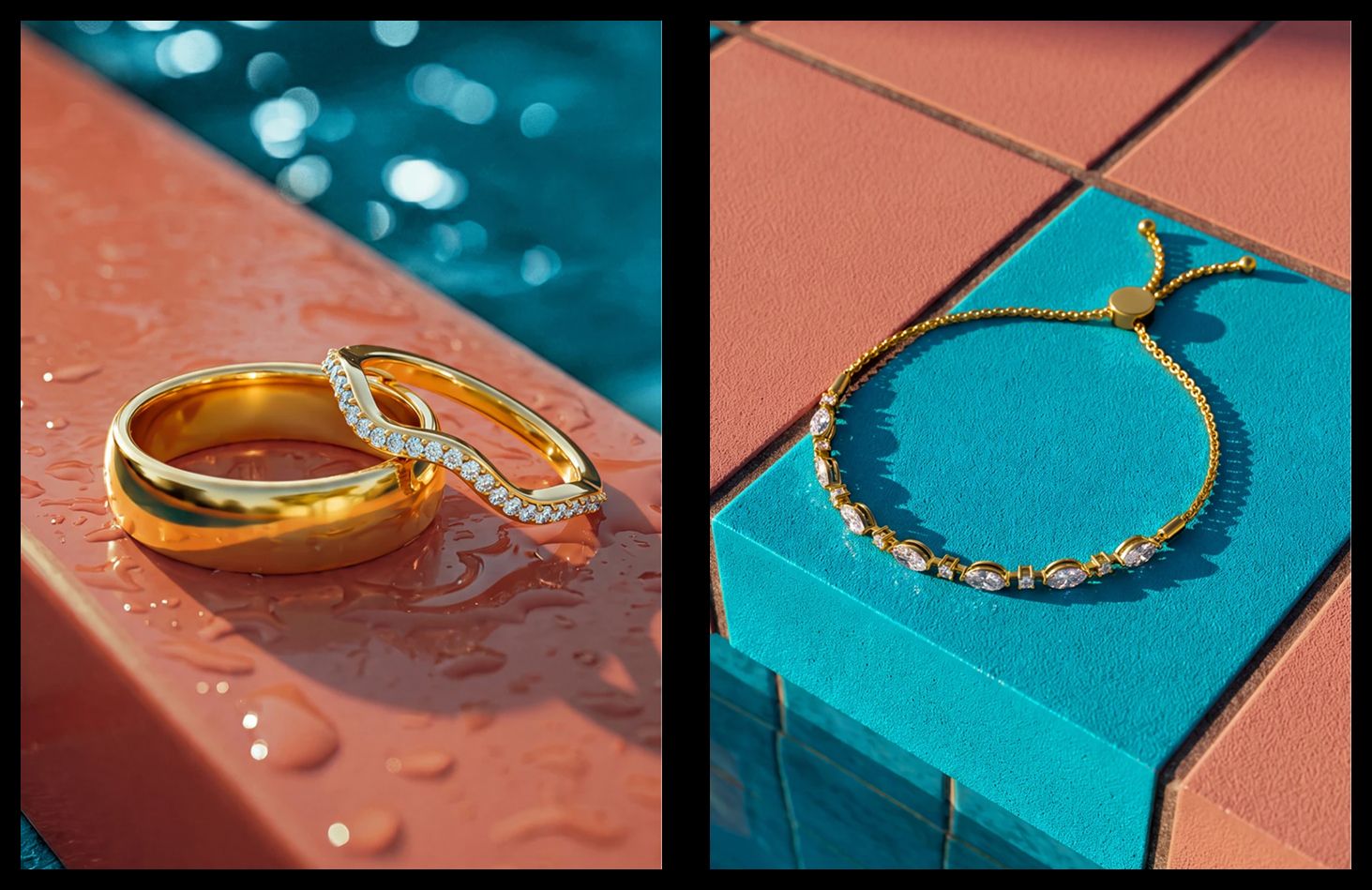
Today, the imagery across Brilliance.com is predominantly generated on Higgsfield, in a category where a customer zooms into a stone before committing thousands of dollars.

“The biggest advantage is flexibility, using different tools as the industry evolves, without committing to any of them. Here everything is in one place- says Marcin Richert, Director at Brilliance.”

Before Higgsfield: roughly $100,000 per shoot.

Before Higgsfield, a Brilliance campaign meant real photo shoots, generative experiments on other platforms, and UGC content stitched together. The cost of a shoot ran to roughly $100,000 on average. A real photo shoot carried heavy logistics: expensive jewelry transported to set, insured and guarded, and the piece on camera still had to match the piece in the box. All of it added up to risk and an average cost of roughly $100,000 per shoot.
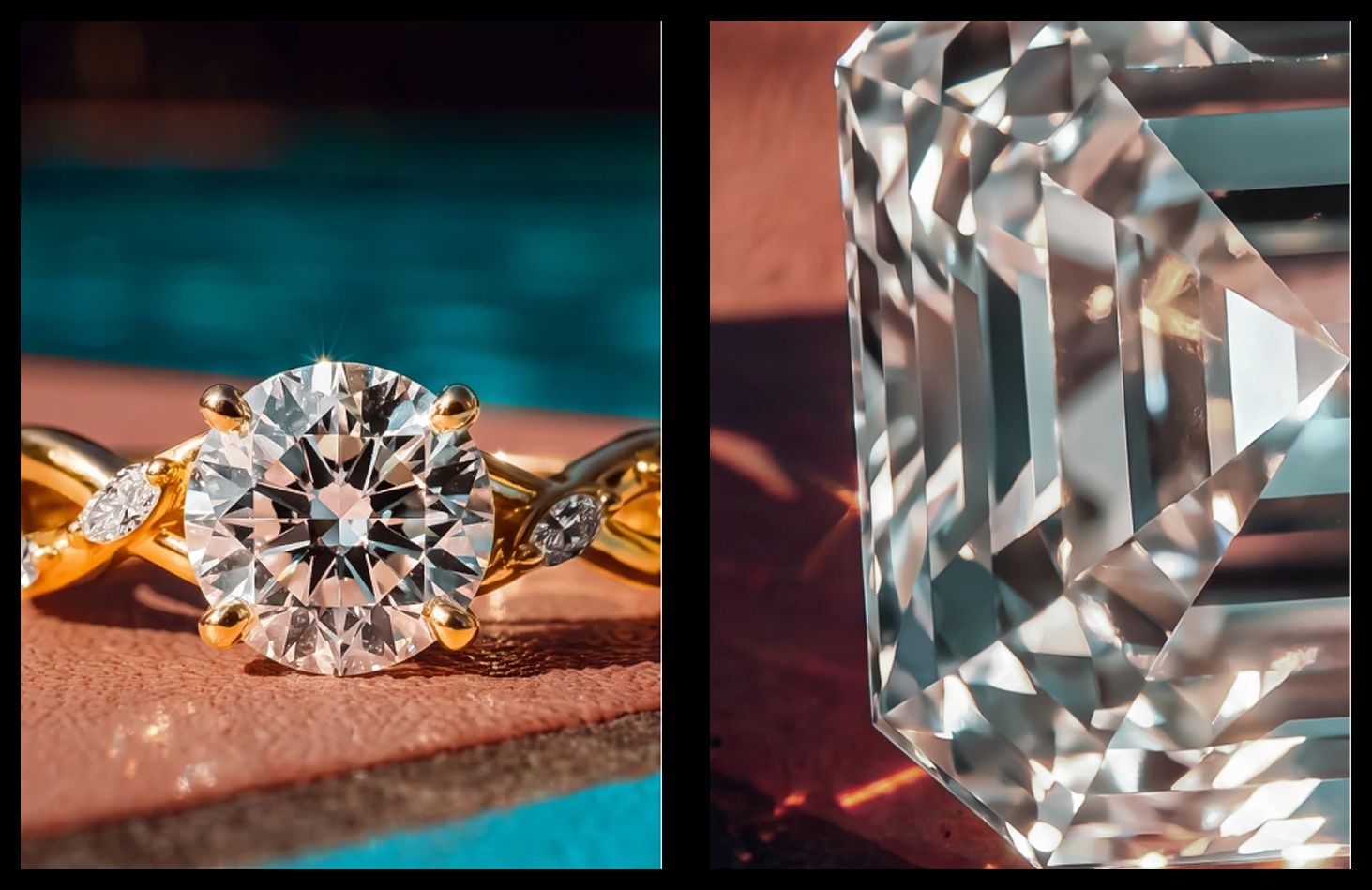
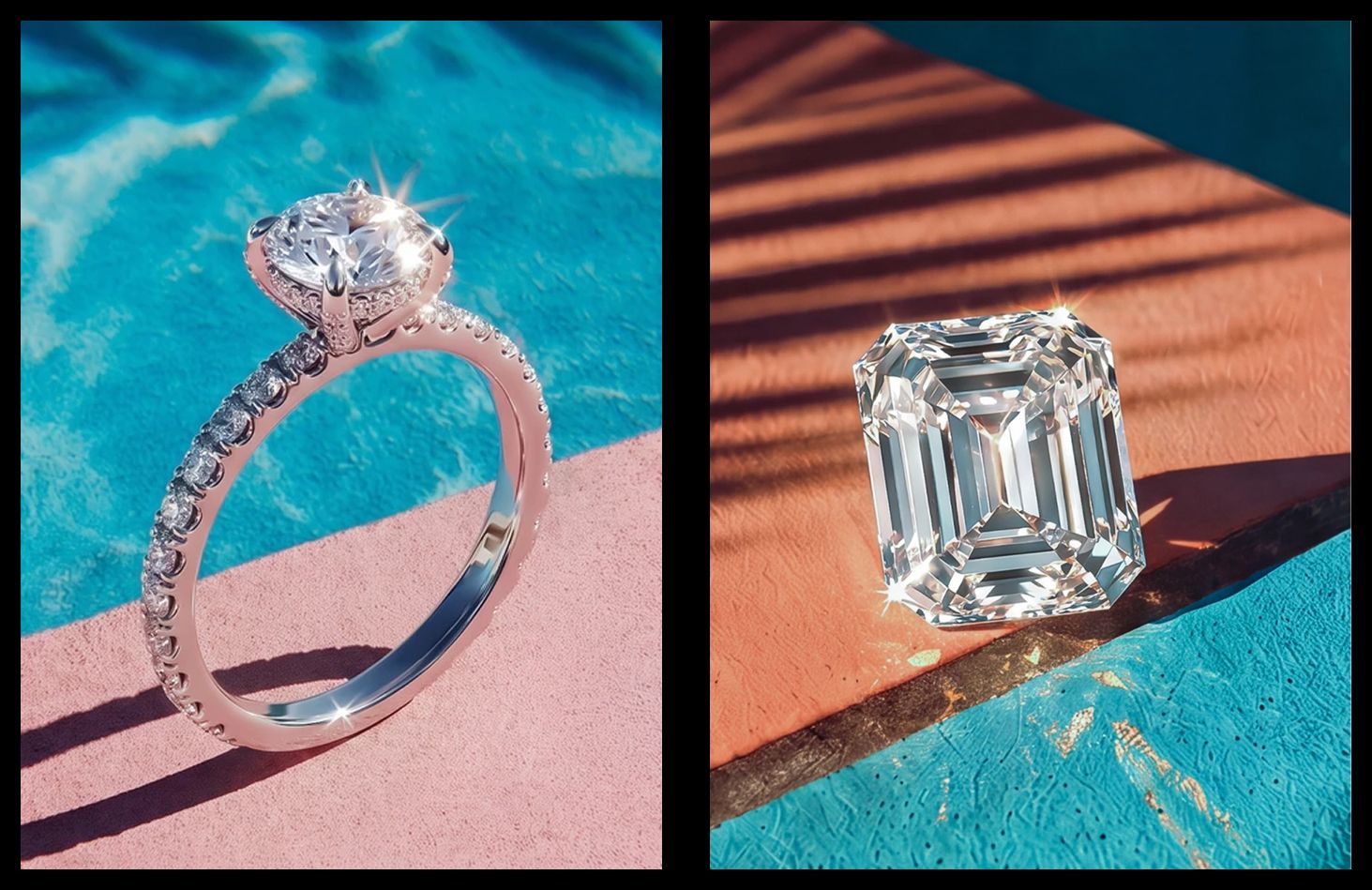
Generating the imagery removed both constraints. The product no longer travels, and accuracy is set in the file rather than on set.

With Higgsfield: $10,000 per shoot. Costs down 80%, output up 10X against prior methods

A campaign that used to carry a $100,000 shoot now runs at roughly $10,000 plus labor, with labor and software adding about $15,000 monthly across the operation. Time per campaign dropped from six-to-eight days to three-to-four. Output volume is up five to ten times.

Against its prior production methods, Brilliance reports the following.

  • Production costs down 80%
  • A campaign that carried a ~$100,000 shoot now runs at roughly $10,000 plus labor
  • Labor and software adding about $15,000 monthly across the operation
  • Time per campaign down from six to eight days to three to four
  • Output volume up five to ten times

Higgsfield’s secret sauce: the right model for every asset

Asked what matters most, the Brilliance team points to the ability to switch between models. Different assets have different demands, and the team optimizes cost per asset by choosing the engine each job needs. Continuous platform updates keep that calculus fresh: new engines and features get tried as they land.

Image generation and short video assets carry most of the volume. Marketing Studio was recently adopted and is replacing part of the UGC content. 

“For high-volume shots seen from a distance I don’t need the most expensive engine, because you won’t see the difference. Having twenty subscriptions in twenty different places, that’s really painful”

Where does Higgsfield sit in the pipeline?

The workflow is centralized in Higgsfield for collaboration and asset management, with automations connecting Notion, Google Drive and Claude. Creative tasks are split into automated pipelines built for high-volume retouching.

Quality control

Generating jewelry imagery is not push-button. Quality control is labor-intensive, especially on close-ups. Ring width, tapering and the shine of a stone all determine whether a generated image is honest to the physical piece. Every frame goes through heavy QC and Photoshop finishing before reaching a product page. If a facet, a prong or the ring’s taper doesn’t match the physical piece, the team regenerates the image, as many attempts as it takes.

The team frames the result as 10x more cost-efficient rather than cheaper. The distinction matters to the team, because the aim is not spending less on the same output.

The team typically runs 2–3 campaigns simultaneously, the process itself unchanged. What changed is what each campaign costs and how many assets it can carry. 

80% Saved, and Every Dollar Stays in the Business


Against its prior production methods, Brilliance cut production costs 80%, brought campaign turnaround from six-to-eight days down to three-to-four, and ships five to ten times the assets. 

The imagery holds in a category where a customer zooms into a stone before committing thousands of dollars. The reclaimed budget goes back into R&D, product development, marketing and manufacturing.

“It’s not like, okay, 100k budget and 80k saved, I need to move this somewhere else. It all stays in the business”

The mission stays the one the company started with: engagement rings that are affordable without compromising what the customer sees.

by Higgsfield