The challenge
In a classic CG pipeline, the real alignment conversation happens at the most expensive point of the project. In this case study Alterworld Studios shares its challenges and how they overcame them with Higgsfield MCP
In a classic CG pipeline, the real alignment conversation happens at the most expensive point of the project. In this case study Alterworld Studios shares its challenges and how they overcame them with Higgsfield MCP
The revision cycle carried the cost. A single client note on a rendered product shot could mean re-lighting and re-rendering; a change of direction after look-dev could mean starting over. Photoreal product work for TV meant render budgets and schedules that only made sense for a small number of hero shots per film.
Over the past year, Alterworld rebuilt its entire production pipeline around AI generation rather than adding tools at the edges of the old one. Every project now runs through the same in-house system covering look development, storyboard, dubbing, animation and client-review viewers, with Higgsfield as the generation layer inside it.
Clients now review frames carrying the actual look, lighting and product before animation begins, while changes are still relatively inexpensive to make.
The pipeline runs look-dev, storyboard, dubbing, animation and client review in sequence, with voice first: dialogue is generated and approved before a single frame of animation exists. Storyboard rounds go to clients through the studio’s review viewers, with notes attached to every frame, and the studio’s reference libraries keep characters and sets consistent across shots. Generation replaced the modeling, lighting and rendering steps for storyboards and most of the animation. Direction, continuity management and the edit stayed with the studio.
For a six-spot TV campaign for a leading kitchen-appliance brand, the studio went from its first look-dev round to client-approved photoreal storyboards for all six films, with product-accurate hero frames and animated cake-cut sequences. For a 40-second product film for a global CX-software company, client notes received in the morning were answered with a revised storyboard round the same day, several times in one week.
The look-development and storyboard phase, previously the longest and least predictable part of a CG production, is now measured in days. A storyboard revision round that used to take 2–3 days of modeling, lighting and rendering now takes a few hours, and multiple rounds can run in a single day. Across a typical 30–60 second product film, the studio estimates the pre-production phase is 60–70% shorter than its pre-AI workflow.
Photoreal product shots that once required a full CG render pipeline are now produced at a fraction of the former production cost, with generation itself a relatively small line item. The largest cost remains the experienced artists who direct, curate, refine, composite and revise the material, especially after detailed client feedback, before it reaches a professional delivery standard.
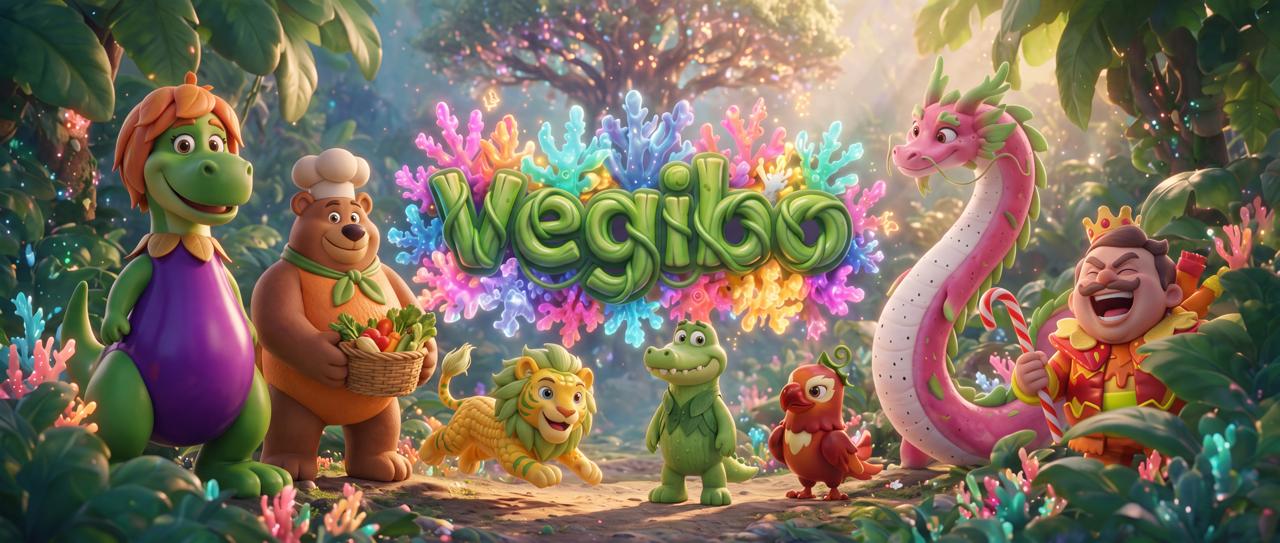
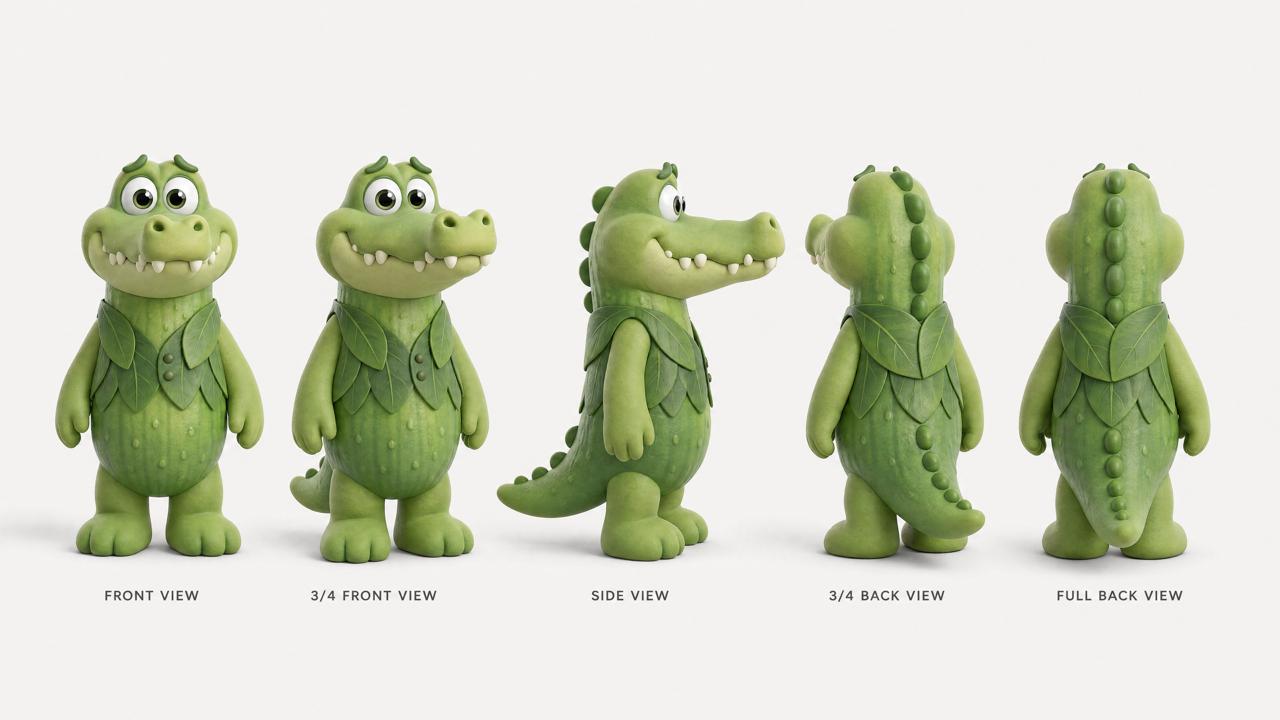
Capacity is the clearest change. In August and September 2026, Alterworld ran four productions in parallel: the six-spot TV campaign, a launch video for a mobile-gaming publisher, a product film for an enterprise-software client, and the pilot of Vegibo, the studio’s own AI-native animated preschool series. The studio remained director-led throughout. That was not possible with the previous pipeline.
“We didn’t adopt Higgsfield to make cheaper videos. We rebuilt the studio around it: the generation layer is Higgsfield, and everything around it — continuity, revision rounds, client review, dubbing-first animation — is a pipeline we built to make that generation reliable in real productions. The proof is that the same system now runs TV campaigns for consumer brands and the pilot of our own animated series, Vegibo, at the same time.”
by Higgsfield
Built for teams that ship constantly. Here's what enterprise adds: