Higgsfield
  • Explore
  • Image
  • Video
  • Audio
  • Cinema Studio
  • MCP & CLINew
  • AcademyNew
  • Supercomputer
  • Community
  • PluginsNew
  • Marketing Studio
  • Canvas
  • Originals
  • Shorts Studio
  • Explainer

THE ULTIMATE AI-POWERED CAMERA CONTROL FOR FILMMAKERS & CREATORS

Higgsfield AI

  • About
  • Trust
  • Careers
  • Contact
  • Pricing
  • Apps
  • Supercomputer
  • Cinema Studio
  • Marketing Studio
  • Higgsfield Canvas
  • Higgsfield Collab
  • Higgsfield MCP
  • Higgsfield Games
  • AI Influencer
  • Community
  • Enterprise
  • Team
  • Copilot
  • Reference Extension
  • Blog
  • Contests
  • Discord

Image

  • AI Image
  • Soul ID Character
  • Draw to Edit
  • Fashion Factory
  • Edit Image
  • Image Upscale
  • Photodump Studio
  • Higgsfield Popcorn
  • Nano Banana
  • Prompt Guide
  • Flux 2
  • Seedream 5
  • GPT Image 2
  • Inpaint
  • Soul 2.0
  • Soul Cinema
  • Soul Cast

Video

  • AI Video
  • Mixed media
  • Sora 2 Introduction
  • Veo 3.1 Introduction
  • Create Video
  • Lipsync Studio
  • Talking Avatar
  • Draw to Video
  • UGC Factory
  • Video Upscale
  • Kling 3.0
  • WAN 2.6
  • Seedance 2.0
  • Grok Imagine 1.5
  • Gemini Omni Flash

Edit

  • Banana Placement
  • Product Placement
  • Edit Image
  • Multi Reference
  • Upscale
  • Sora 2 Upscale
  • About
  • Trust
  • Careers
  • Contact
  • Pricing
  • Apps
  • Supercomputer
  • Cinema Studio
  • Marketing Studio
  • Higgsfield Canvas
  • Higgsfield Collab
  • Higgsfield MCP
  • Higgsfield Games
  • AI Influencer
  • Community
  • Enterprise
  • Team
  • Copilot
  • Reference Extension
  • Blog
  • Contests
  • Discord
  • X / Twitter
  • Youtube
  • Instagram
  • LinkedIn
  • Tiktok

535 Mission St, 14th floor, San Francisco, CA, 94105

  • X / Twitter
  • Youtube
  • Instagram
  • LinkedIn
  • Tiktok

© 2026 Higgsfield, Inc. All rights reserved.

  • Cookie Notice
  • Terms
  • Privacy
  1. Blog
  2. /
  3. Listicles
  4. /
  5. Veo Alternatives Guide

7 Best Veo Alternatives to Keep Consistency In Your Generations

Higgsfield

·

Jul 13, 2026

·

10 min

7 Best Veo Alternatives to Keep Consistency In Your Generations

Veo 3.1 makes stunning video. It just can't remember who your character is. Come back the next day, generate the same person again, and you're looking at someone else. Soul ID on Higgsfield fixes that gap directly: train once from photos and the same face follows across Veo, Kling, Seedance, and every other model on the platform.


Why Veo Drops Consistency Between Clips

Veo is a single-clip model. It doesn't carry memory between sessions. Every new generation interprets your character description fresh, which means the jawline shifts, the eye shape changes, and the hair texture is slightly off by the second clip. That's not a bug. It's a model architecture choice: Veo is optimized for photorealistic output with native audio in one pass, not for cross-session identity persistence.

Two specific failure modes creators run into:

No identity anchor. Text descriptions produce infinite valid interpretations. "Young woman with dark hair" can look like hundreds of different people. Veo picks one each time.

Session disconnect. Even if generation one looks right, returning tomorrow starts from zero. There's no memory that carries the identity forward automatically.


How the Same Workflow Looks With and Without Consistency

Generating the same character twice on Veo without a consistency layer produces two different people. The prompt is the same. The model is the same. The face is not.
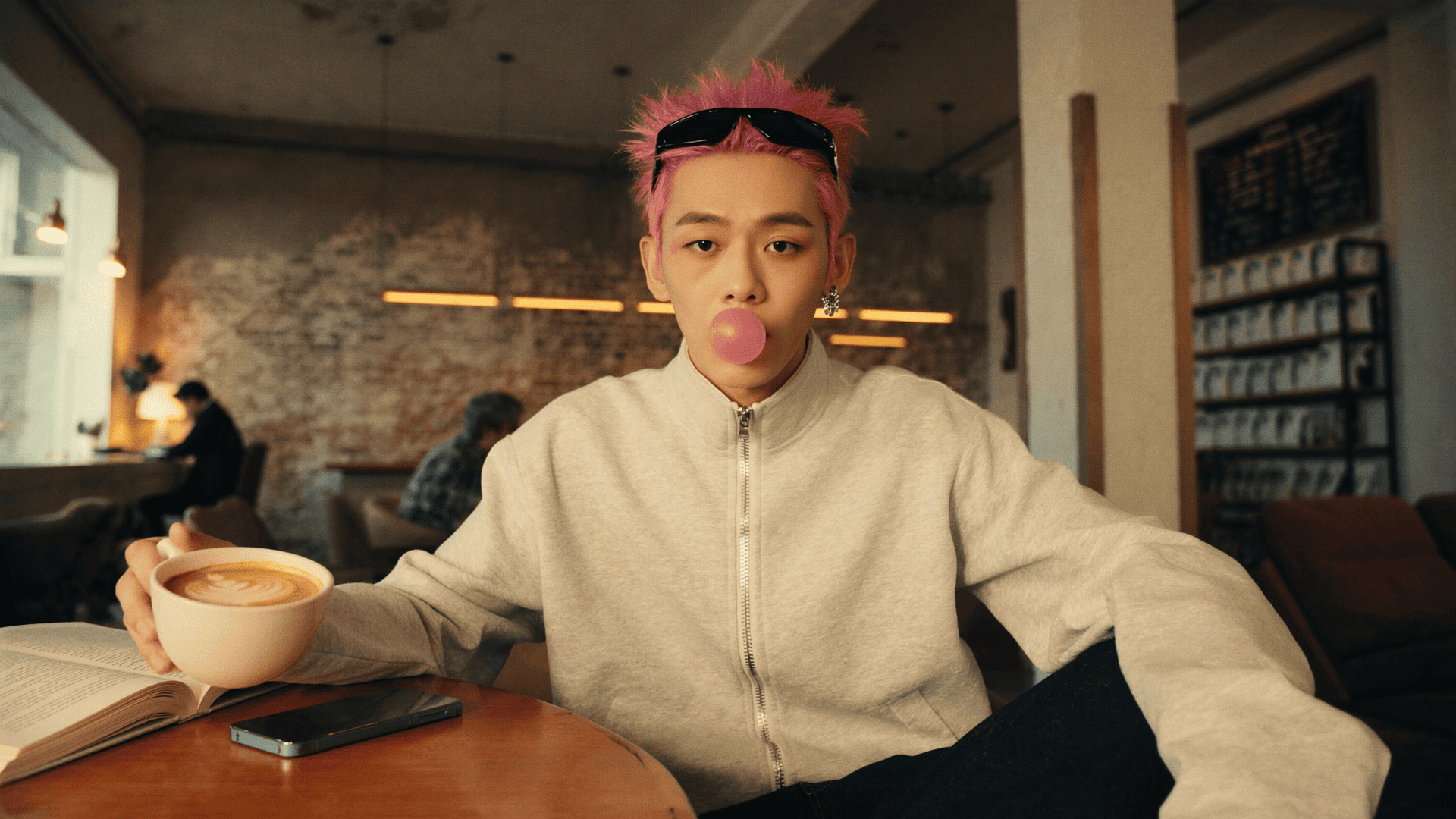

Your browser does not support the video.

That's the drift problem. Now here's what the same production looks like with Soul ID active on Higgsfield. The first clip runs on Veo 3.1. The second runs on Kling 3.0. Different models, different scenes, same face throughout.

Your browser does not support the video.

Model Alternatives to Veo 3.1

These are the models that handle consistency differently at the generation level. Each one is a direct alternative to Veo for specific production needs.

Model Alternatives to Veo 3.1

Model

Consistency method

Best for

Approx. cost per 10-sec 1080p clip

Seedance 2.0

Up to 9 simultaneous reference inputs

Commercial work, multi-reference scenes

~$4.50

Kling 3.0

Multi-reference image matching, up to 6 connected scenes

Realistic human subjects, fashion, talking-head

~$1

Hailuo 2.3

Reference image per generation

Fast iteration, social content

~$0.60

WAN 2.6

Frame-level camera physics, reference anchoring

Cinematic camera control, product visualization

~$2.00

Prices reflect approximate Higgsfield credit costs. Check each platform's current rates before committing.


Platforms Where You Can Run Veo 3.1 and More

These platforms let you run Veo alongside other models under one subscription. The question is what each one adds around the models: character consistency, editing tools, audio, or production infrastructure.

Platforms Where You Can Run Veo 3.1 and More

Platform

Models available

Character consistency

Starting price

Higgsfield AI

Veo 3.1, Kling 3.0, Seedance 2.0, WAN 2.6, Hailuo 2.3, Gemini Omni Flash, 10+ more

Soul ID: trained identity across all models and sessions

Basic from $9/mo

Runway

Veo 3.1, Kling 3.0, Seedance 2.0, Gemini Omni Flash, Gen-4.5 (proprietary)

Director Mode: reference anchoring within a session

Standard $12/mo

Synthesia

Limited video generation models

Digital Twin: avatar locked to talking-head format

Starter $18/mo

Prices verified July 2026. Check each platform before committing.


Higgsfield AI: Veo 3.1 With a Consistency Layer Built On Top

Higgsfield is the direct answer to the Veo consistency problem. Veo 3.1, Kling 3.0, Seedance 2.0, WAN 2.6, Hailuo 2.3, and 10+ other models run under one credit balance. You switch models without leaving the workspace or rebuilding your character reference between shots.

Soul ID is the consistency layer built into the platform. Upload 20+ reference photos of a real person, train the identity in a few minutes, and from that point every generation on any model produces the same face automatically. Generate a Veo 3.1 clip with native audio, switch to Kling 3.0 for a shot that needs more precise human subject rendering, run a WAN 2.6 clip for the product reveal with camera physics. Same character throughout. No re-uploading between shots or sessions.

Cinema Studio applies camera control logic at generation time across all models. Marketing Studio takes a product URL and produces campaign-ready assets without a separate ad production tool. LipSync Studio handles spoken video in 8+ languages from the same credit balance.

Where Higgsfield falls short: No public API; programmatic access runs through MCP and CLI. Web interface only. Premium models consume credits faster than lower-cost models on the same platform.


Seedance 2.0: Multi-Reference Commercial Generation

Seedance 2.0 accepts up to 9 reference inputs simultaneously in a single generation call. You can feed it a character photo, a location image, a product reference, a style image, and an audio track all at once. The model reasons across all of them and produces a coherent output without you manually wiring the inputs together.

For commercial workflows where a spokesperson needs to appear alongside a specific product in a specific environment, Seedance 2.0 handles that in one call. Veo requires you to describe all of those elements in text and hope the output matches. Seedance 2.0 is available on Higgsfield, where a trained Soul ID carries the same character into every generation automatically.

Native audio generates alongside the video in the same pass. The first-and-last-frame input lets you generate transition clips between existing shots, which is useful for assembling multi-shot sequences without regenerating everything.

Where it falls short: Shorter maximum clip duration than Veo on some platforms. Reference-based rather than trained identity, so consistency works best when the inputs are consistent.


Kling 3.0: Realistic Human Subjects at the Lowest Per-Clip Cost

Kling 3.0 is the strongest per-credit model for human subject rendering. Skin tones, body movement, eye behavior, and micro-expressions are more accurate than most general-purpose models at this price point. The multi-reference input system lets you define the character's face, clothing, and environment before generating, and hold those anchors across a multi-shot sequence of up to six connected scenes in one pass.

Native lip sync generates at the model level rather than being added in post. For talking-head content, spokesperson clips, fashion campaigns, and anything where a real person needs to look completely natural in motion, Kling 3.0 is the strongest direct Veo alternative at lower cost per clip.

The consistency is reference-based, not trained. It holds reliably within a session and within a connected sequence. For productions where the same character needs to appear across many separate sessions, reference drift becomes more likely than with a trained identity system. That gap closes when Kling 3.0 runs through Higgsfield: Soul ID carries the trained face into every Kling generation the same way it does into Veo, without any additional setup between sessions.

Where it falls short: Single-model platform on its native app. No native audio beyond lip sync. Reference-based consistency can drift across significantly different scenes.


Hailuo 2.3: Fast Iteration at the Lowest Credit Cost

Hailuo 2.3 is optimized for speed over fidelity. It generates at a fraction of the cost of Veo and produces usable output fast enough to iterate multiple times before committing to a full-resolution run. For social content, rough cuts, and workflows where you're testing a concept before investing in higher-quality generation, Hailuo 2.3 is the practical entry point.

Consistency is reference-based and works best for lower-stakes content where small amounts of drift between clips are acceptable. For final campaign assets where the same face needs to hold precisely, Hailuo 2.3 is the wrong choice. For concept validation and high-volume social output, it's the right one. On Higgsfield, once the concept is locked in Hailuo, switching to Veo 3.1 or Kling 3.0 for the final render is one model selector away, no exporting, no rebuilding the project.

Where it falls short: Lower fidelity than Veo 3.1, Seedance 2.0, or Kling 3.0. No native audio. Not suitable for quality-critical production.


WAN 2.6: Cinematic Camera Control at Generation Time

WAN 2.6 solves a different problem than the others. It's not primarily a character consistency model. It's the model that executes precise camera movements at the frame level: dollies, cranes, orbital moves, tracking shots, depth of field shifts. These aren't simulated in post. They're baked into the generation.

Where Veo approximates camera language from text descriptions with varying reliability, WAN 2.6 interprets cinematography vocabulary directly. Describe a slow 180-degree orbit with a focus pull at the midpoint and the model executes it with realistic inertia and motion physics. For product visualization, architectural reveals, and any production where camera behavior is the primary storytelling tool, WAN 2.6 is the strongest alternative to Veo for that specific use case.

On Higgsfield, those camera moves happen inside the same workspace where the character was trained, so the face that Soul ID locked stays locked through the orbital move and the product reveal.

Where it falls short: Not optimized for human subject rendering the way Kling 3.0 is. No native audio. Best results with detailed, specific camera instructions in the prompt.


Runway: Veo Inside a Mature Editing Environment

Runway carries Veo 3.1 alongside Kling 3.0, Seedance 2.0, Gemini Omni Flash, and its proprietary Gen-4.5 model. The distinctive advantage is the editing layer: Director Mode, Motion Brush, and a timeline surface that handles real post-production work inside the same platform where the clips were generated.

Director Mode anchors character consistency within a session using reference images. The same character can hold across a connected sequence generated in one sitting. Returning to the same character in a new session requires re-uploading the reference. There's no trained identity that persists automatically across sessions the way Soul ID does.

For productions where editing matters as much as generation, Runway covers both inside one platform. If you're building a workflow where Veo clips feed into a serious editing pipeline and that editing needs to happen in the same tool, Runway is the right aggregator. If you need consistent characters across multiple sessions and multiple production days, the session-based reference anchoring is a meaningful limitation.

Where Runway falls short: No native audio generation alongside video. Character consistency doesn't persist automatically across sessions. Gen-4.5 at 250 credits per 10-second clip is expensive for high-volume workflows.


Synthesia: Consistent Avatars for Scripted Presenter Content

Synthesia is on this list for a specific use case: the same person delivering scripts across many videos, in many languages, with consistent appearance throughout. The Digital Twin feature builds a presenter-format avatar from a 15-minute recording.

If your Veo workflow involves a spokesperson and the primary output is talking-head video at scale, Synthesia covers that use case more cost-effectively than most generation platforms. The consistency is absolute within the presenter format. The limitation is that Synthesia avatars can't navigate generated scenes, and the platform doesn't carry the full model access that Higgsfield or Runway offer.

Where Synthesia falls short: Presenter-format only. No scene-based generation. Starter plan caps at 120 minutes per year.


Which Option Actually Fits Your Workflow?

You want to keep using Veo but need consistent characters across sessions: Higgsfield. Veo 3.1 runs on the platform with Soul ID active. Same trained face across Veo, Kling, Seedance, and every other model automatically.

You need the lowest per-clip cost for human subject video: Kling 3.0 on its native platform or via Higgsfield. Strongest model for skin tones, body movement, and micro-expressions at the lowest credit cost for that output quality.

You need multi-reference commercial generation with native audio: Seedance 2.0. Up to 9 simultaneous inputs and audio in the same pass.

You need precise cinematic camera control baked into the generation: WAN 2.6. Frame-level camera physics that Veo doesn't support at the prompt level.

You need Veo alongside a serious editing layer: Runway. The strongest post-production environment on this list, with Motion Brush and a timeline surface inside the same platform.

You need one person delivering scripts in many languages at scale: Synthesia. Absolute consistency within the presenter format across 160+ languages.

You need fast iteration at the lowest credit cost: Hailuo 2.3. Not for final output. For concept validation and high-volume social drafts.

7 Best Veo Alternatives to Keep Consistency In Your Generations

Try Soul ID

Got any questions left?

Veo generates each clip independently with no persistent memory. Without a trained identity system, it reinterprets the character description fresh each time.
Yes. Veo 3.1 is available on Higgsfield alongside 15+ other models. Soul ID applies the same trained identity to Veo 3.1, Kling 3.0, Seedance 2.0, and every other model automatically.
Soul ID trains a persistent identity that carries across every model and every session without re-uploading. Runway's Director Mode anchors a character within a session using reference images but resets between sessions.
Yes. Kling 3.0 handles skin tones, body movement, and micro-expressions more accurately than most models at its price point, at roughly half the credit cost of Veo 3.1 on Higgsfield.
No. WAN 2.6 is optimized for camera physics and visual output. For native audio alongside video, use Veo 3.1 or Seedance 2.0 on Higgsfield.
Train a Soul ID on Higgsfield, generate with Veo 3.1 at ~58 credits per clip for shots that need Veo's specific output, and switch to Kling 3.0 at ~25 credits for shots that don't. Same character throughout, lower credit cost on covered models.

by Higgsfield

Share article

Discover more

post preview

5 Best Ways to Access Gemini Omni Flash in 2026: Platforms and Plans

post preview

How to Use Gemini Omni Flash for Multi-Shot AI Video Production

post preview

How to Keep AI Persona Consistent in 2026 using Higgsfield Popcorn?