Seedream 5.0: AI Image Generator Model Preview and Expectations
Seedream 5.0 is emerging in public discussion as a signal of where cinematic AI image generation is heading, with growing focus on structure, composition, and workflow integration. This article explores open signals and expectations around Seedream 5.0 based on publicly available commentary.
Seedream 5.0 is increasingly appearing across public previews, creator commentary, and early discussions as a signal of where high-end AI image generation may be heading, particularly in workflows that prioritize cinematic composition, visual consistency, and downstream usability. This article explores open signals and expectations around Seedream 5.0 based on publicly available discussions rather than hands-on testing.
Shifting Expectations in AI Image Generation
From Visual Novelty to Structural Control
As generative image models mature, public discussion has shifted away from novelty-driven outputs and toward structure, consistency, and reuse in real creative workflows.
Images as Reusable Creative Assets
Instead of treating images as final artifacts, creators increasingly evaluate whether generated visuals can function as dependable assets across motion, design, and storytelling contexts.
Composition and Framing
Subject Hierarchy and Visual Balance
Discussion around Seedream 5.0 often highlights expectations around clearer subject hierarchy, balanced negative space, and more intentional framing.
Framing for Cinematic Use Cases
These compositional qualities are increasingly important for images that serve as keyframes, background plates, or anchor visuals in cinematic workflows.
Lighting and Scene Consistency
Directional and Coherent Lighting
Public commentary frequently centers on whether lighting feels coherent and directional rather than optimized for dramatic standalone stills.
Scene-Level Visual Logic
Lighting consistency is increasingly evaluated in terms of whether images can be sequenced or animated without breaking visual continuity.
Seedream 5.0 vs Seedream 4.5
Baseline Established by Seedream 4.5
Seedream 4.5, currently available on Higgsfield, is commonly referenced as establishing a reliable baseline for high-quality image generation.
Evolving Expectations in Seedream 5.0
Seedream 5.0 is discussed as an extension toward stronger compositional control, improved handling of complex scenes, and images that are easier to reuse across motion workflows.
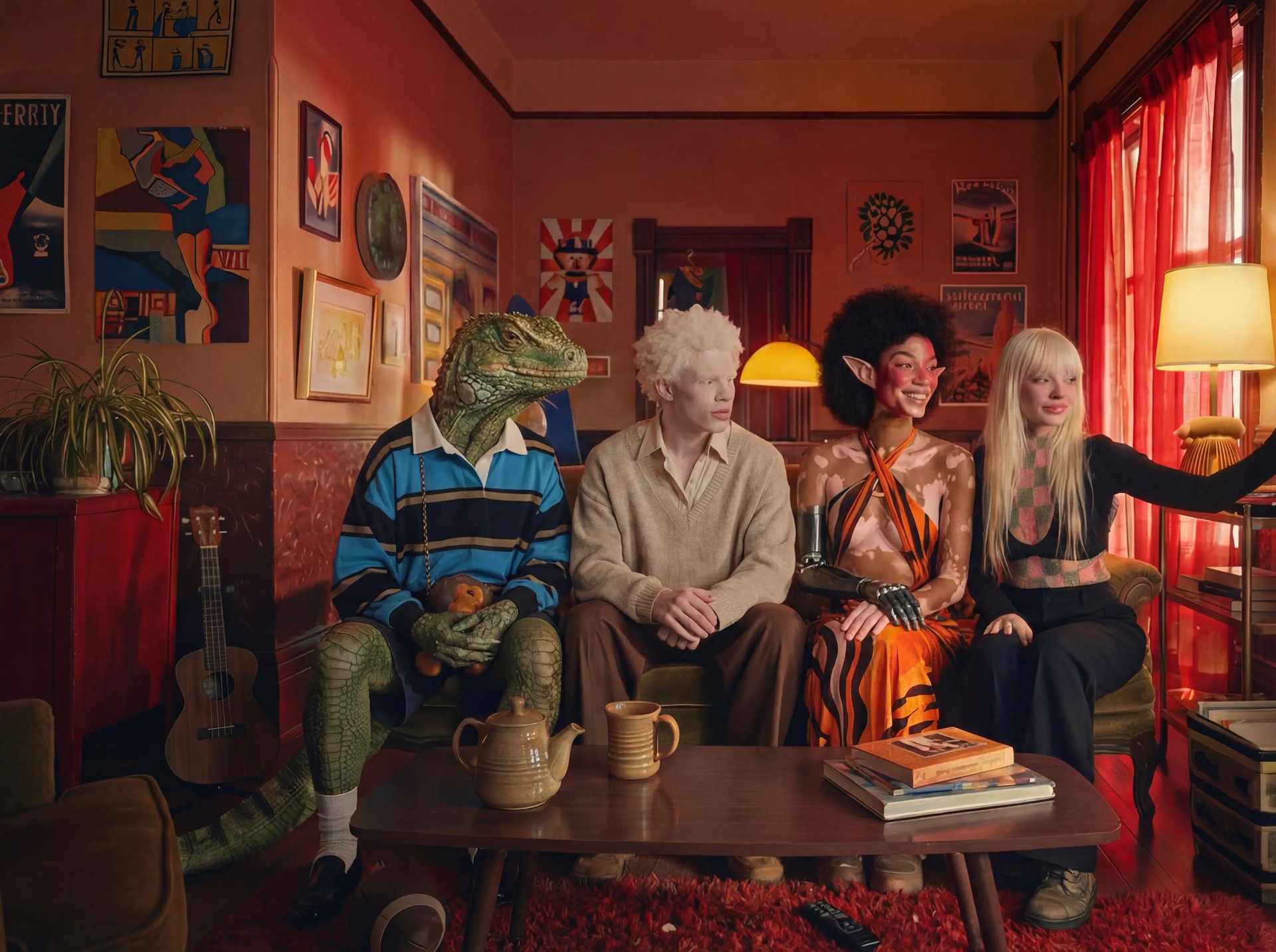
Image generated with Seedream 4.5
Structure Over Sharpness
The comparison focuses less on raw image sharpness and more on whether generated visuals maintain intent and coherence within larger creative systems.
Images as Cinematic Assets
Depth and Spatial Clarity
As images are increasingly used for animation and parallax, expectations around depth representation and spatial clarity have grown.
Texture Stability for Motion
Seedream 5.0 is often referenced in discussions about whether textures and surfaces remain stable enough to support subtle motion.
Workflow Integration
Images Within Creative Pipelines
Seedream 5.0 is positioned within a broader shift toward AI image models that integrate into multi-stage creative workflows rather than existing as standalone generators.
Relevance Inside Higgsfield
In environments like Higgsfield, where images generated with Seedream 4.5 already feed into motion design and video workflows, structural consistency becomes a key factor in usability.
Future of AI Image Models
Control and Reusability as Adoption Drivers
The conversation around Seedream 5.0 reflects growing alignment around control, consistency, and reusability as defining factors for future image models.
Trajectory Over Conclusions
Interest in Seedream 5.0 centers less on immediate claims and more on long-term direction, pointing toward image generation models shaped by real creative workflows.
Create AI Images with Best Tools on Higgsfield
Explore cinematic AI image generation in practice with image models available.