*Seedance 2.0 is an emerging AI video generation model increasingly discussed across public previews and creator communities as a signal of where cinematic AI video is heading. This article explores open signals, expectations, and early observations around Seedance 2, based on publicly available discussions rather than hands-on testing.
As generative video continues to evolve, the public conversation around new models has begun to shift away from raw visual novelty and toward questions of structure, stability, and whether AI video systems are approaching a level of coherence that can support real creative workflows.
In this broader context, Seedance 2.0 has started to appear across public discussions, early previews, and creator commentary as a model that reflects where expectations around cinematic AI video are heading, even before comprehensive hands-on evaluations become widely available.
Rather than being framed as a dramatic leap, Seedance 2.0 is increasingly discussed as part of a gradual refinement of video generation models, where improvements in motion behavior, temporal consistency, and camera logic signal a move toward outputs that can be shaped and refined over time instead of existing as isolated clips.
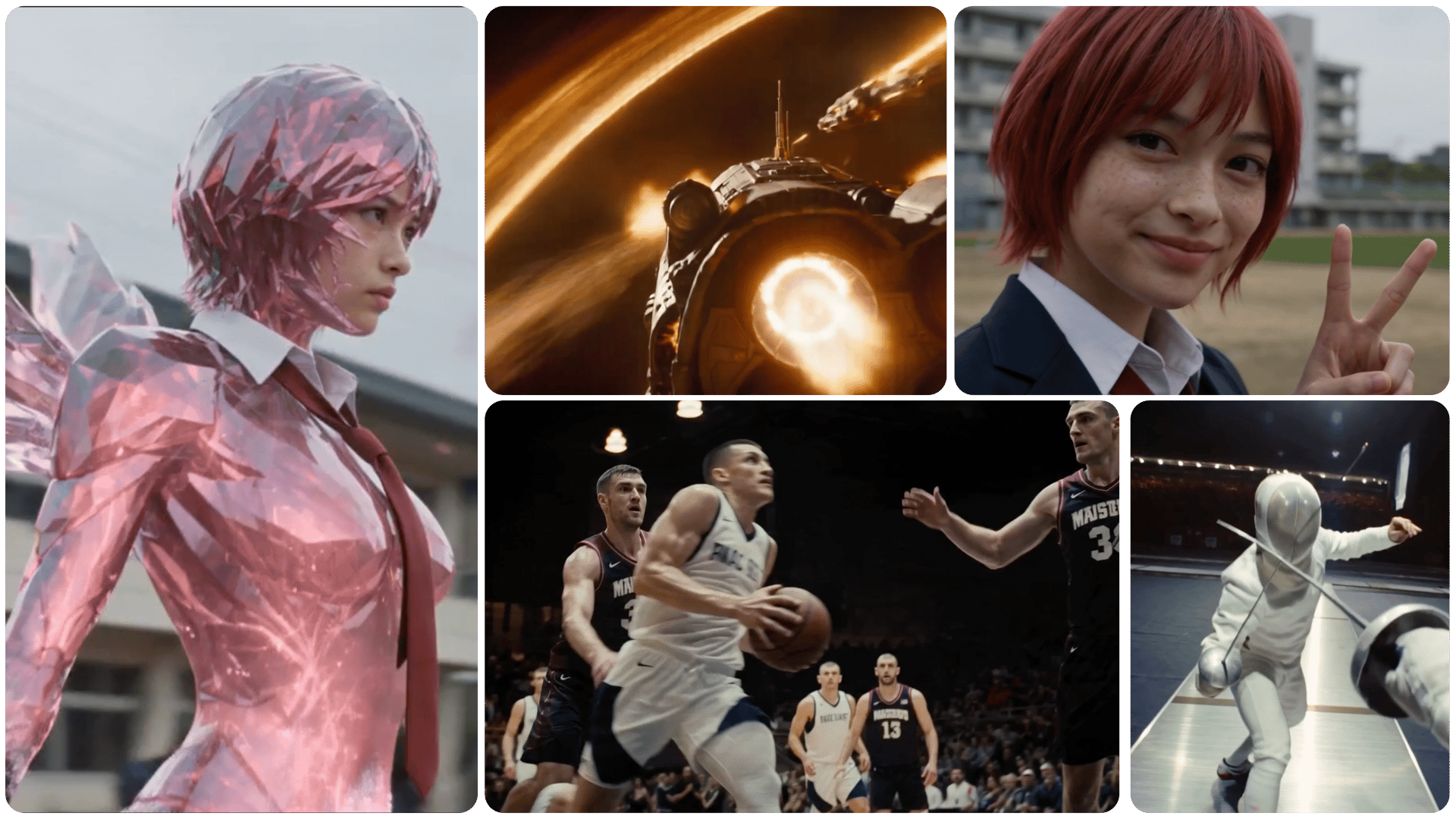
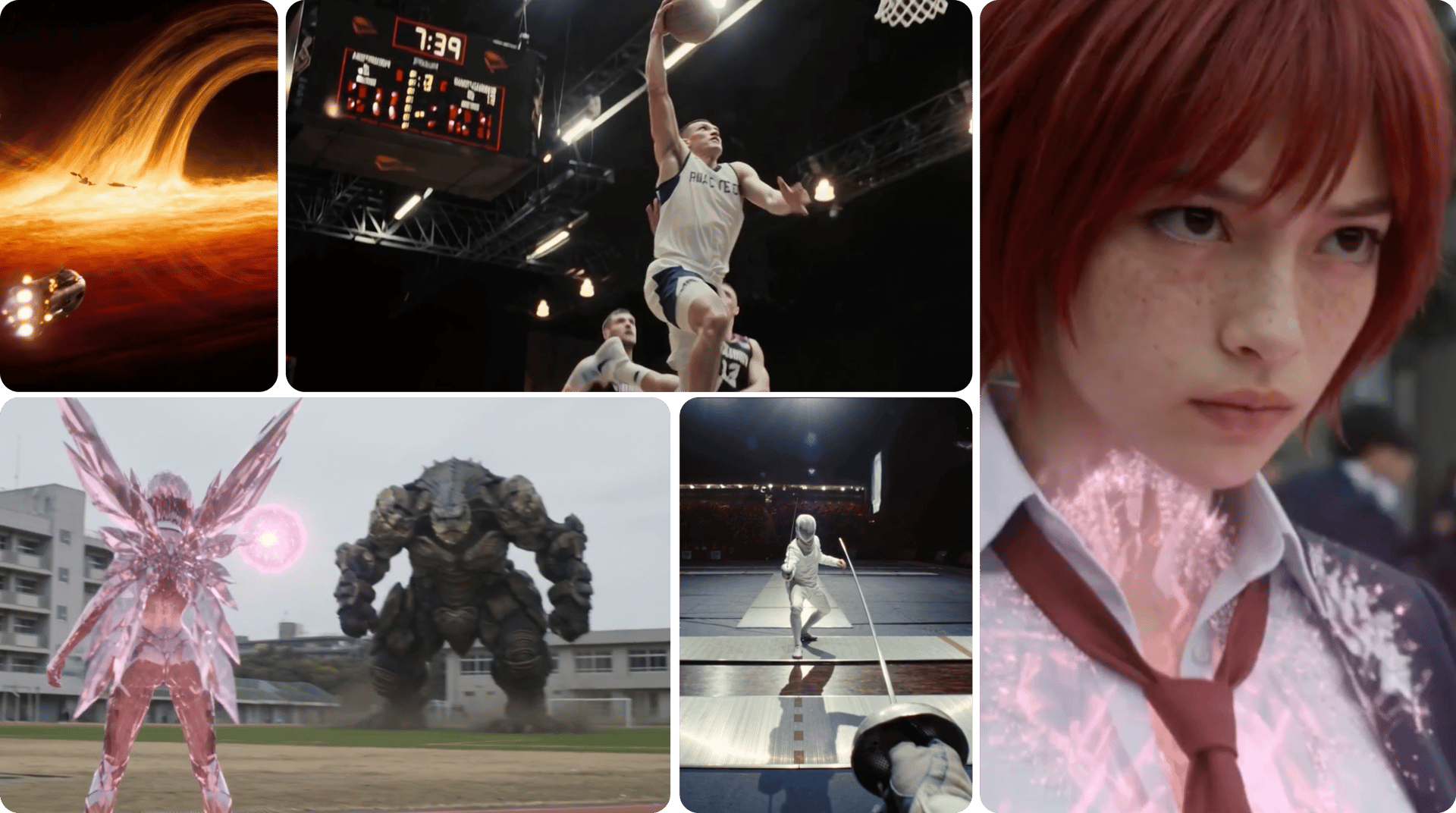
Source: Reddit User Post
Expectations Are Shifting Toward Sequence-Level Coherence
Discussion around Seedance 2.0 increasingly reflects a broader shift in how AI video models are evaluated. Instead of focusing on isolated visually impressive moments, creators and observers are paying more attention to whether generated video can maintain coherence across an entire sequence, including stable motion, consistent framing, and continuity that holds up in longer-format AI video workflows.
Camera Movement as a Central Point of User Interest
Across public commentary and shared examples, camera behavior has emerged as a recurring point of interest in discussions around Seedance 2.0. Cinematic camera movement, including pans, tracking shots, and controlled reveals, is often cited as a key area where newer video models are expected to improve, and Seedance 2.0 is commonly positioned within that conversation.
The emphasis on camera logic reflects a recognition that believable motion depends not only on subject animation, but on how the camera navigates space over time. Models that can sustain a consistent sense of direction and depth are increasingly seen as better suited for cinematic workflows, even if the improvements appear incremental rather than dramatic.

Source: Reddit User Post
Motion Stability and Editability as Practical Criteria
A recurring theme in these conversations is whether motion remains stable enough to support editing, compositing, and downstream creative work. Expectations are increasingly shaped by how well generated footage behaves once it leaves the generation stage and enters real production environments.
Cinematic Camera Movement as a Key Area of Interest
Camera behavior has emerged as a central point of interest in public commentary around Seedance 2.0. Cinematic camera movements, including pans, tracking shots, and controlled reveals, are frequently cited as areas where newer video models are expected to improve, and Seedance 2 is often positioned within this discussion.
Seedance 2 in Relation to Seedance 1.5
Evolving Expectations Between Iterations
Seedance 2 is often discussed in relation to Seedance 1.5 (available on Higgsfield), particularly around how motion and continuity are expected to evolve between model versions.
Baseline Established by Seedance 1.5
Seedance 1.5 is commonly referenced as having set a baseline for visually coherent short-form AI video generation.
Greater Emphasis on Temporal Control
Public commentary around Seedance 2 tends to frame it as moving toward stronger temporal control and more deliberate camera behavior.
Scene-Level Consistency Over Visual Fidelity
The comparison focuses less on raw image quality and more on whether motion logic, pacing, and spatial relationships remain intact across longer stretches of video.
Toward Sustained Cinematic Structure
This shift reflects broader expectations that newer AI video models support cinematic structure across an entire clip, rather than optimizing only for individual frames.
Temporal Stability and Scene-Level Coherence
Another recurring theme in broader discussions is temporal stability, particularly the ability of a model to preserve lighting, textures, and spatial relationships across a full clip. While short clips can often mask inconsistencies through rapid motion or cuts, longer or slower-paced shots expose weaknesses in continuity, making temporal coherence a critical benchmark.
Seedance 2.0 is often referenced in this context as part of a new generation of AI video models that appear designed with scene-level logic in mind, where motion unfolds over time with fewer abrupt shifts. This aligns with growing interest in AI-generated video that can support sustained pacing, atmospheric shots, and deliberate camera movement.
Character and Subject Consistency as an Emerging Expectation
Public discussion around Seedance 2 also touches on character and subject consistency, an area that has historically limited the use of AI video in narrative and branded content. As creators increasingly look to generative video for storytelling, advertising, and recurring visual systems, the expectation that characters remain recognizable across motion has become more prominent.
While definitive assessments require broader testing, Seedance 2 is frequently mentioned alongside this expectation, reflecting a broader industry push toward models that treat identity as persistent across time rather than approximate from frame to frame.
Macro Shots, Physics, and Fine Motion Behavior
In more technically oriented conversations, Seedance 2 appears within discussions around physics-driven motion and macro-style cinematography, where close-up framing places high demands on texture stability, lighting coherence, and subtle movement. These scenarios are often used as stress tests for AI video models, since even small inconsistencies become immediately visible.
The fact that Seedance 2.0 is referenced in these contexts suggests that expectations around physical coherence and fine motion detail are becoming central to how new models are evaluated, especially for product visuals and detail-focused cinematography.
Positioning Within Emerging AI Filmmaking Workflows
Taken together, these signals position Seedance 2 within a broader shift toward AI video models that are expected to function as part of a workflow rather than as one-off generators. The emphasis on motion consistency, camera behavior, and scene-level coherence reflects growing interest in tools that can support iteration, compositing, and creative refinement.
In environments like Higgsfield, where generated video can be combined with motion design, typography, and timing control, models aligned with these expectations become more relevant as foundational layers rather than final outputs.
What These Signals Suggest About the Future of AI Video
The conversation surrounding Seedance 2 offers insight into how the AI video landscape is evolving, with creators, platforms, and observers increasingly converging on a shared set of expectations around control, stability, and cinematic structure. As models continue to develop, the ability to maintain intent across time is likely to become a defining factor in adoption.
Seedance 2, as discussed through open signals and early commentary, reflects this transition, highlighting how generative video models are being shaped by the demands of real creative workflows rather than isolated demonstrations.
In that sense, the interest around Seedance 2 is less about immediate conclusions and more about trajectory, offering a glimpse into where cinematic AI video generation appears to be heading as the field continues to mature.
Try ByteDance's Best Models
Curious how cinematic motion and sequence-level coherence already work in practice? Try Seedance 1.5 on Higgsfield and explore how structured AI video generation fits into real creative workflows today.


