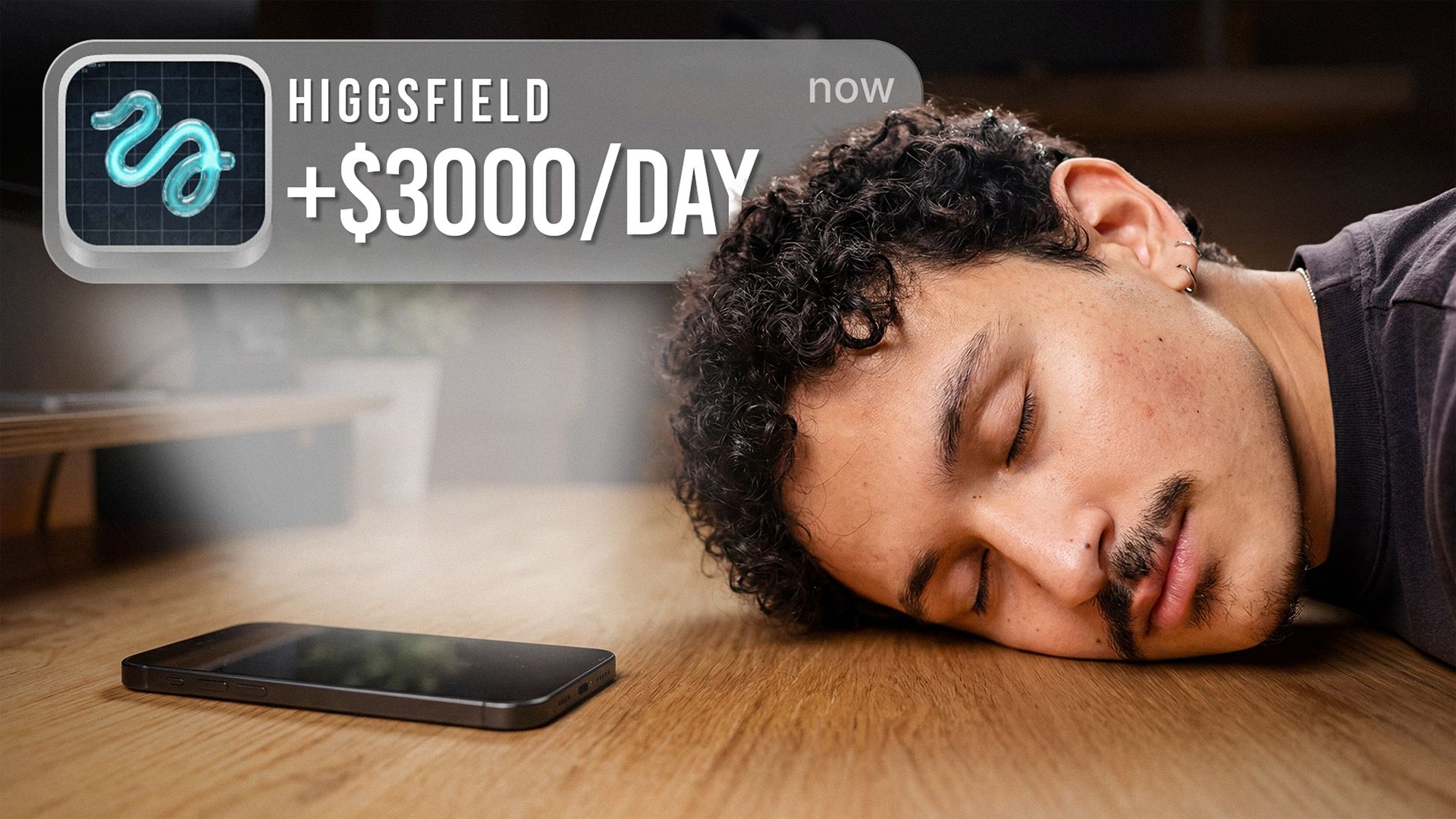
Learn how to build and launch a full product brand using AI in 2026. See how Higgsfield Supercomputer handles niche research, UGC videos, website, and funnel - from one chat to 500K views and 833 real waitlist signups.
Most people have a product idea sitting in their notes app. They never ship it because they think they need a big budget, a team, and months of work to start.
That barrier just dropped to $121 and one afternoon.
Here's the exact workflow (prompts included).
The Part Nobody Talks About
Everyone knows AI can write copy and generate images. A smaller group figured out it can run an entire launch.
Research, branding, videos, website, funnel - from a single chat. While everyone debates whether AI is "real," we used Higgsfield Supercomputer to go from blank page to live brand with 500K views and 833 waitlist signups. Brand new account. Zero paid ads. Three days.
This is exactly how.
What is Higgsfield Supercomputer?
It's an AI agent that doesn't just answer questions - it executes. Niche research, brand strategy, product naming, UGC videos, ASMR content, website design, deployment. All from one chat, all connected. You type a prompt. It builds the business.
The Workflow: Step 1: Let the Data Pick Your Niche
Most people guess what to sell. That's why most people fail.
Scan top-performing products across Amazon, Etsy, Shopify, and Meta ads and find me the best one for a content-driven business, optimized for high margin and easy distribution
It goes live - pulls real bestseller lists, real ad library data, real Etsy trends. Comes back with a ranked recommendation based on margin, virality, and distribution potential.
In this case: lipstick. High margin. Visual product. Built for short-form content.
Then it goes deeper without being asked - scraping thousands of reviews from Sephora and Amazon, looking for the one complaint that keeps repeating across every brand, every price point.
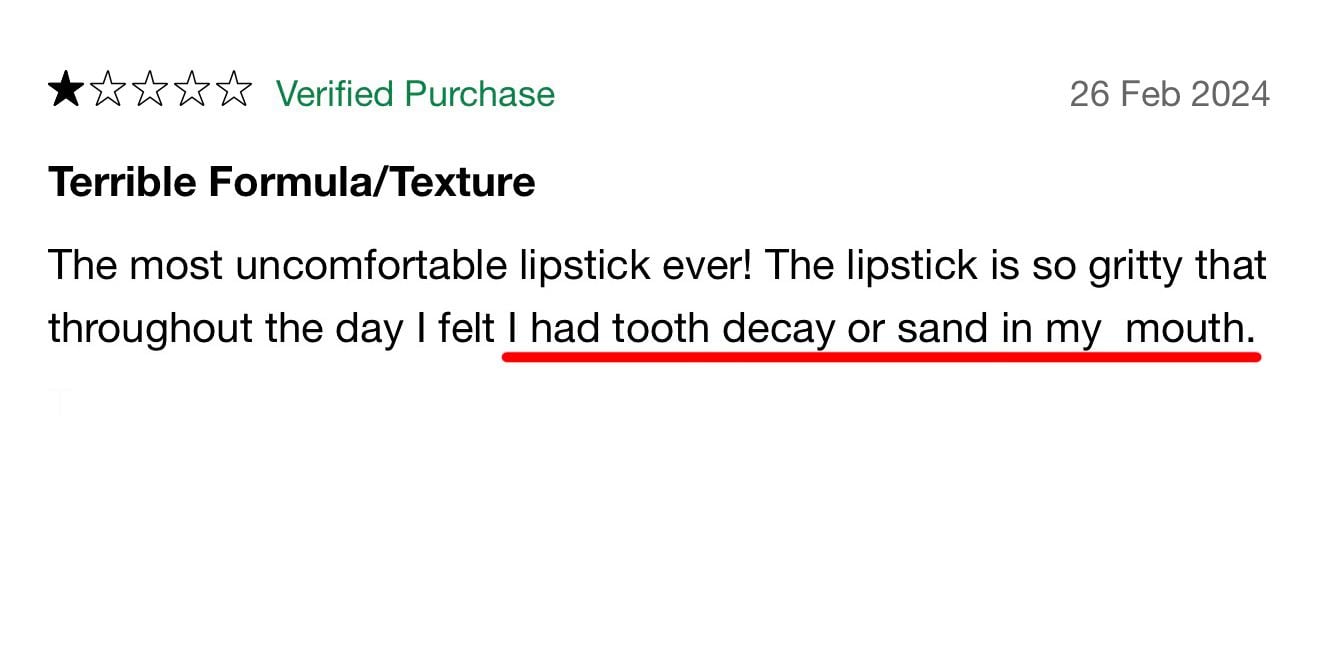
Same answer every time: they dry your lips out.
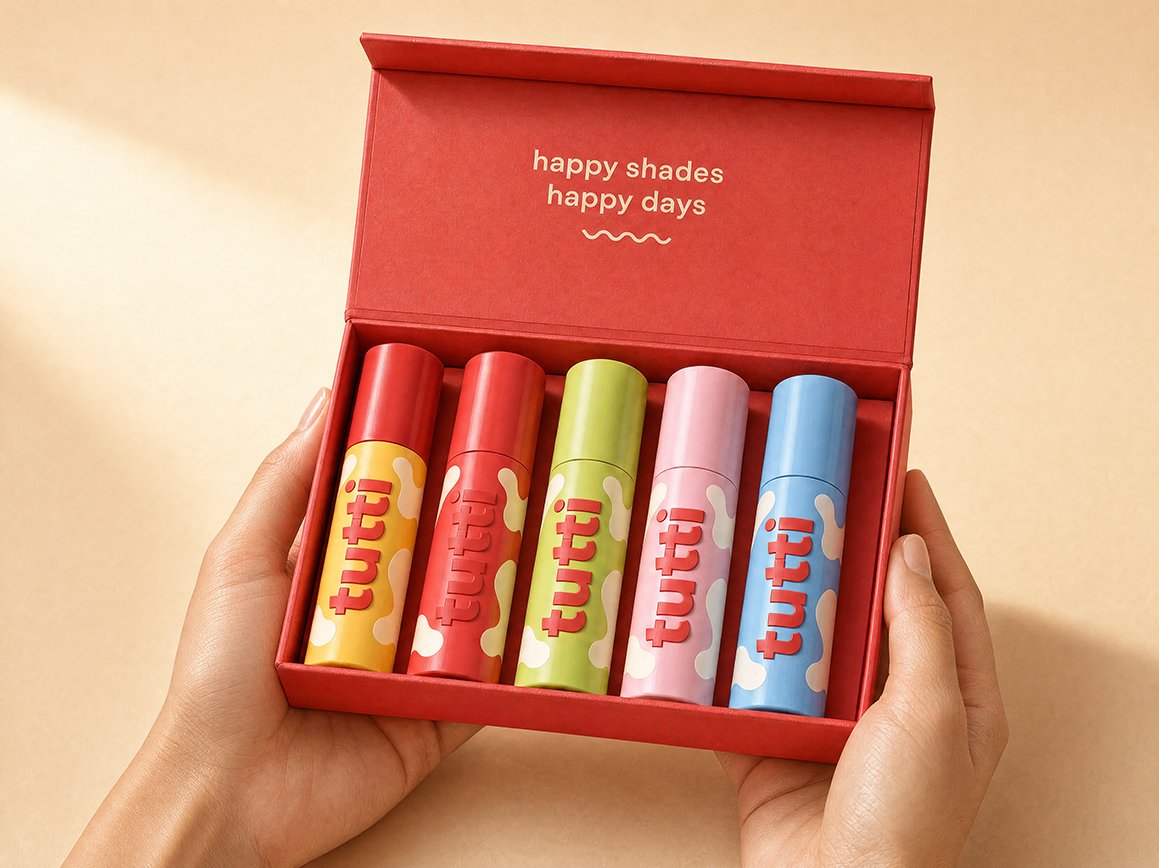
That's your positioning. A lipstick that's half lip balm. Squalane, shea butter, ceramides - ingredients from a luxury lip mask, inside a lipstick. Supercomputer picks the name, writes the brand angle, and generates a full product spec sheet you could hand straight to a manufacturer.
Hours of competitor research. One prompt.
Step 2: Generate Content That's Engineered to Perform
A product doesn't sell itself - content does. And the mistake most people make is creating content based on what they think looks good, rather than what's actually performing.
Try it now:
"What kind of content actually wins in this niche right now?"
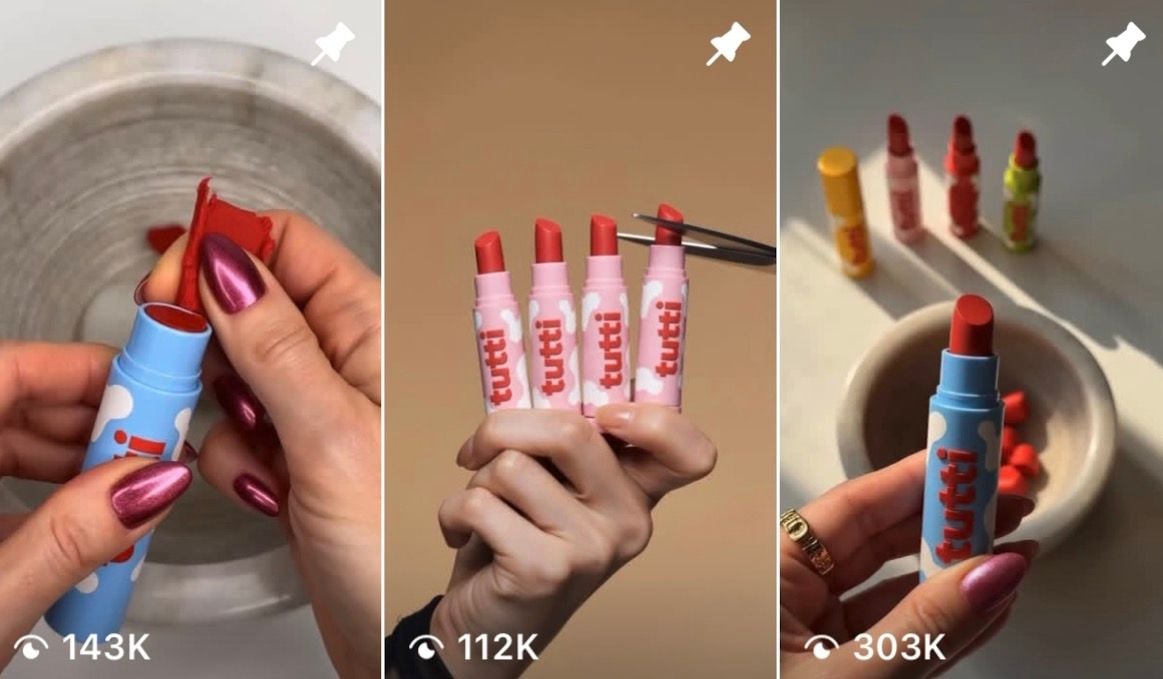
Supercomputer pulls the top-performing beauty content from the last 30 days, analyzes what hooks people, what pacing keeps them watching, what visual styles are driving shares - and then generates all five formats that are working right now: ASMR close-ups that are physically impossible to scroll past, makeup application videos, get-ready-with-me, UGC unboxing that feels like a real creator posted it, and the talking gossip format that's dominating beauty on TikTok right now.
Every video is built on real performance data from the market, not a template someone designed two years ago. That's the difference between content that looks good and content that's actually engineered to get views.
Step 3: Build and Deploy the Website
Once the content is ready, you need somewhere to send people. Not a store - a waitlist page. The reason is simple: you want to validate that real people actually want this before you spend money on inventory.
Supercomputer generates the entire page - layout, copy, banner, product renders, lifestyle imagery - and deploys it to a live URL automatically, all inside the same chat. Every visual was created in the same conversation. There are no stock photos, no separate design tools, nothing to export or upload. You just get a link to a real, live page that looks like a brand that's been around for years: https://www.tuttilipstick.com
Step 4: Connect the Funnel
This is the part that turns everything above from a demo into actual revenue.
The content on Instagram and TikTok drives people to the bio link. The bio link sends them to the waitlist page. The waitlist page captures their email. And that email list is what you sell to when the product actually ships - a warm audience that already raised their hand and said they want it.
More than 500K views on Instagram from an account that was three days old with zero followers when it started.
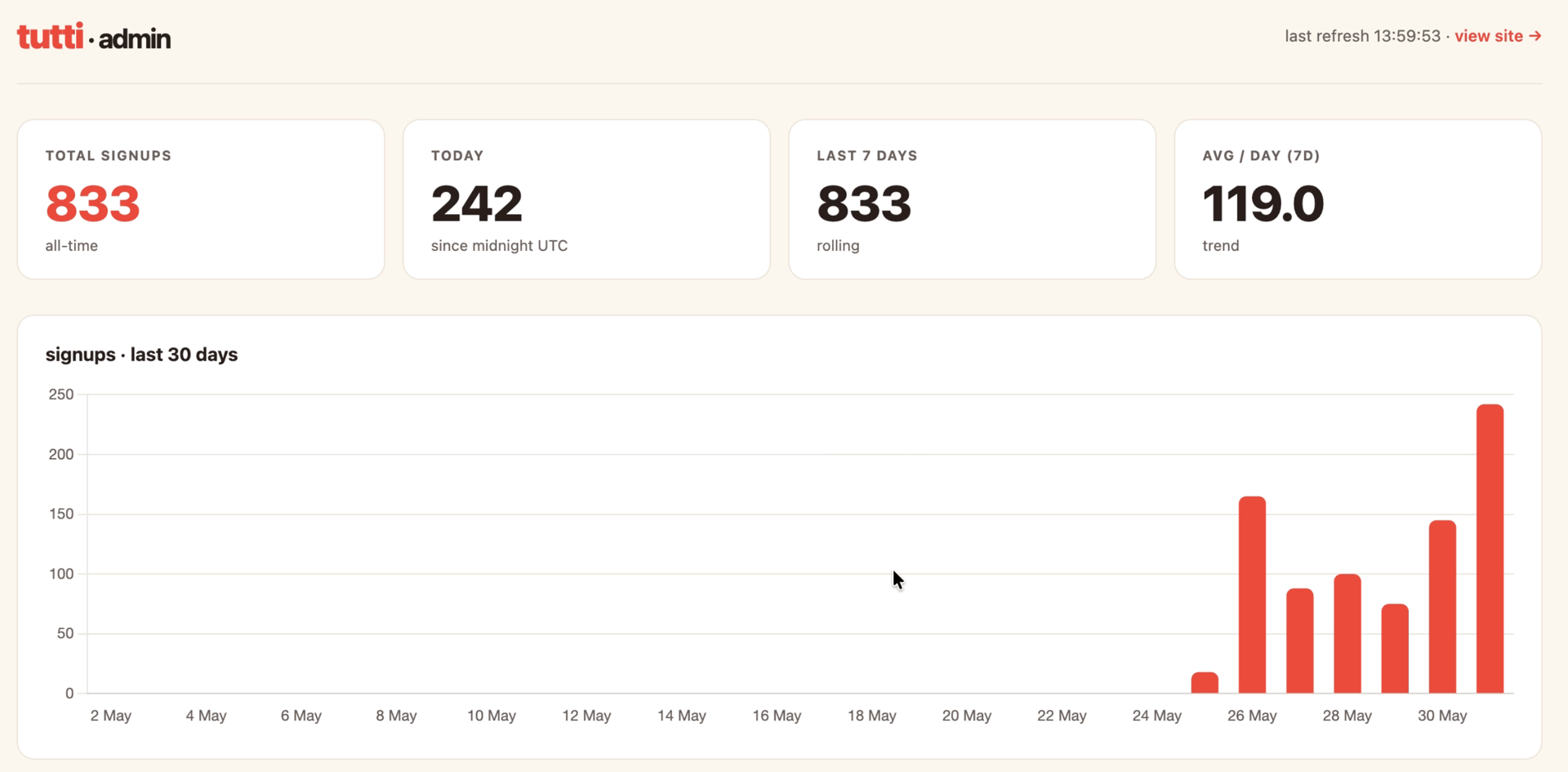
833 people on the waitlist for a product that didn't exist a week ago. Total spend to build everything - the research, the brand, the content, the website, the entire funnel - was $121 in Supercomputer credits, including failed generations along the way.
If just 10% of the waitlist converts when the product launches, that's $738 in net profit from the first wave alone. Six times the money back.
The people who win aren't the ones with the best skills or the biggest budget. They're the ones who move while everyone else is still waiting for the perfect moment. The prompts are above. The platform is live. The only thing left is whether you actually do it.