How VertexCGI, the Studio Behind Campaigns for Porsche and Mercedes, Used Higgsfield to Build a Viral NBA Finals Campaign
Higgsfield
·
Jul 28, 2026
·
6 minutes
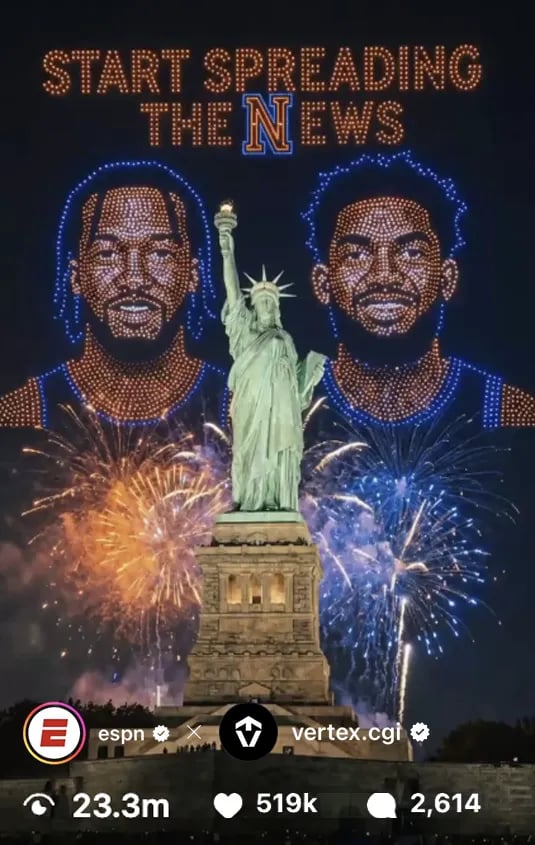
Vertex CGI, a studio behind more than 25 billion organic views across 1,200+ campaigns, used Higgsfield throughout a five day sprint to take the NBA Finals celebration video from first call to publish, a timeline in which a traditional, AI free pipeline would have produced roughly five times fewer shots with the same team.
About
25B+
Total organic views generated
1,200+
Successful campaigns
200+
Global clients including Nike, Mercedes, Google, Visa & Porsche
Vertex CGI has driven over 25 billion organic views across 1,200+ campaigns. What does a production pipeline at that scale actually look like?
People often assume we're a production company, but it is actually one of the smallest parts of what we do. We think of ourselves as an attention company. By the time cameras or AI models come into the picture, most of the important decisions have already been made.
We spend a lot of time researching audiences, understanding platform behavior, analyzing culture, and figuring out why people share certain types of content. Every creative decision has to earn its place. We want to understand not only what will look good, but why people will care enough to stop scrolling and engage with it.
Once that thinking is finished, we build a creative blueprint. We define the key visual moments, pacing, and structure. From there, production becomes the execution of decisions we've already validated.
Depending on the project, we might shoot live footage and use AI to accelerate post production tasks that traditionally take a significant amount of time, like texturing, tracking, masking, or environment replacements. Other times we combine filmed material with AI generated visuals, or build entire sequences from scratch using AI.
Once the blueprint is approved, our creative leads and artists bring it to life. We generate stills, develop sequences, and refine each shot using the AI models that best fit the creative direction. If something requires precise adjustments, our CG artists step in with traditional tools like Photoshop or After Effects. Those tools are still part of the workflow, but they support the vision rather than define it.
The NBA Finals video went viral and was picked up by SportsCenter. What was the original creative idea behind it?
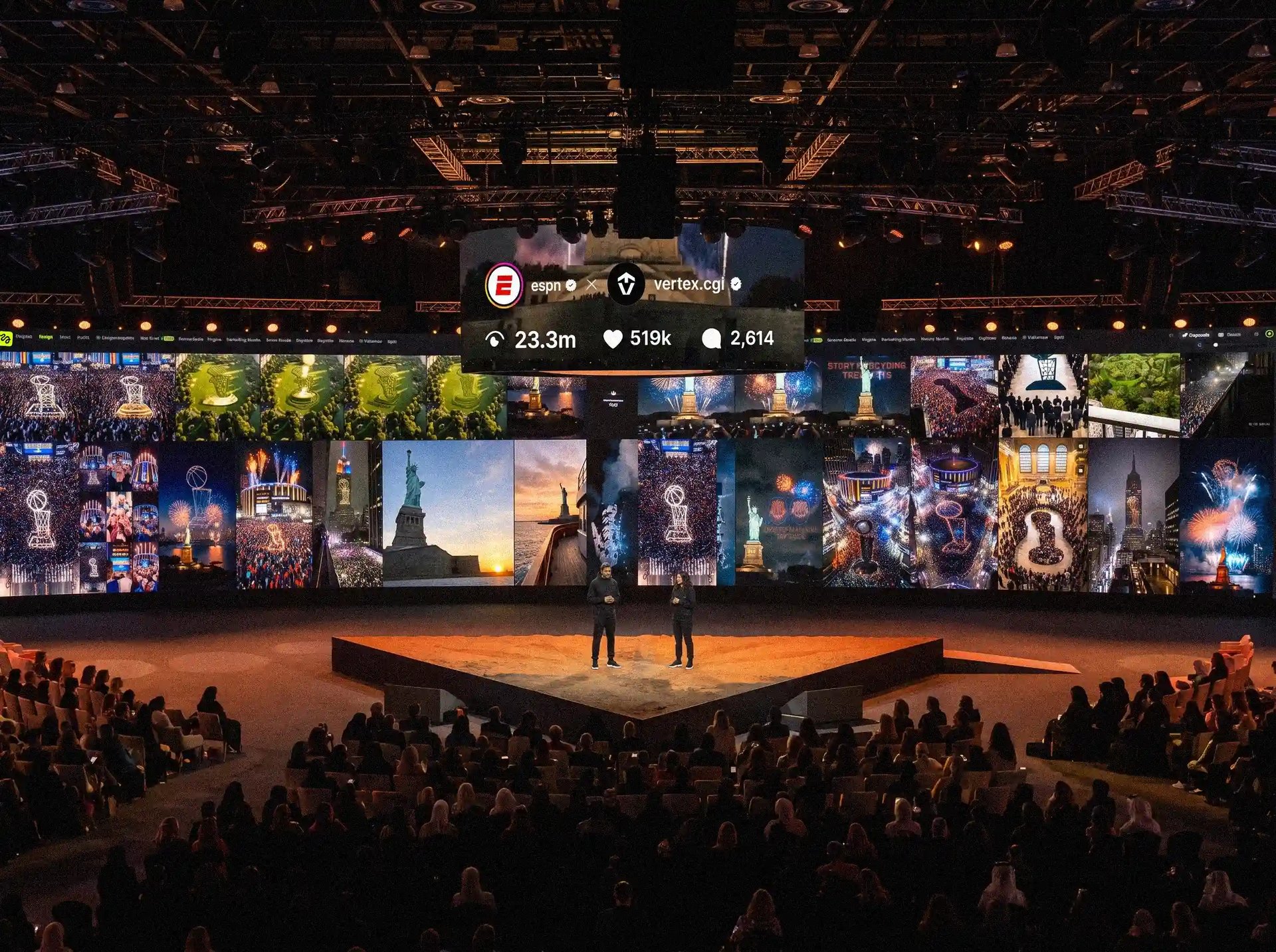
This project came together in collaboration with ESPN's team to celebrate the NBA Finals winner, but there was one major challenge. We had an incredibly small window to make it happen.
With Finals content, you don't know the winner until the very last moment, yet audiences expect something that feels as if it took weeks to produce. We had five days to develop the concept and complete the execution. During that time, we were exploring creative directions for both the Knicks and the Spurs because we needed to be ready regardless of the outcome.
The first thing we asked ourselves was, who does this video need to resonate with?
Obviously ESPN mattered. So did the NBA, the winning team, New Yorkers as a community, Instagram as the primary platform, and the broader basketball audience. Each group had different expectations, so instead of choosing one angle, we looked for the intersection between all of them.
We focused on building something that rewarded different audiences in different ways. Knicks fans could discover details that casual viewers might miss. Basketball fans could spot Easter eggs and cultural references. Even people who weren't die hard fans could still enjoy the piece as a cinematic celebration.
At what point in the workflow did Higgsfield enter this campaign, and what would the process have looked like without it?
From the very first conversation.
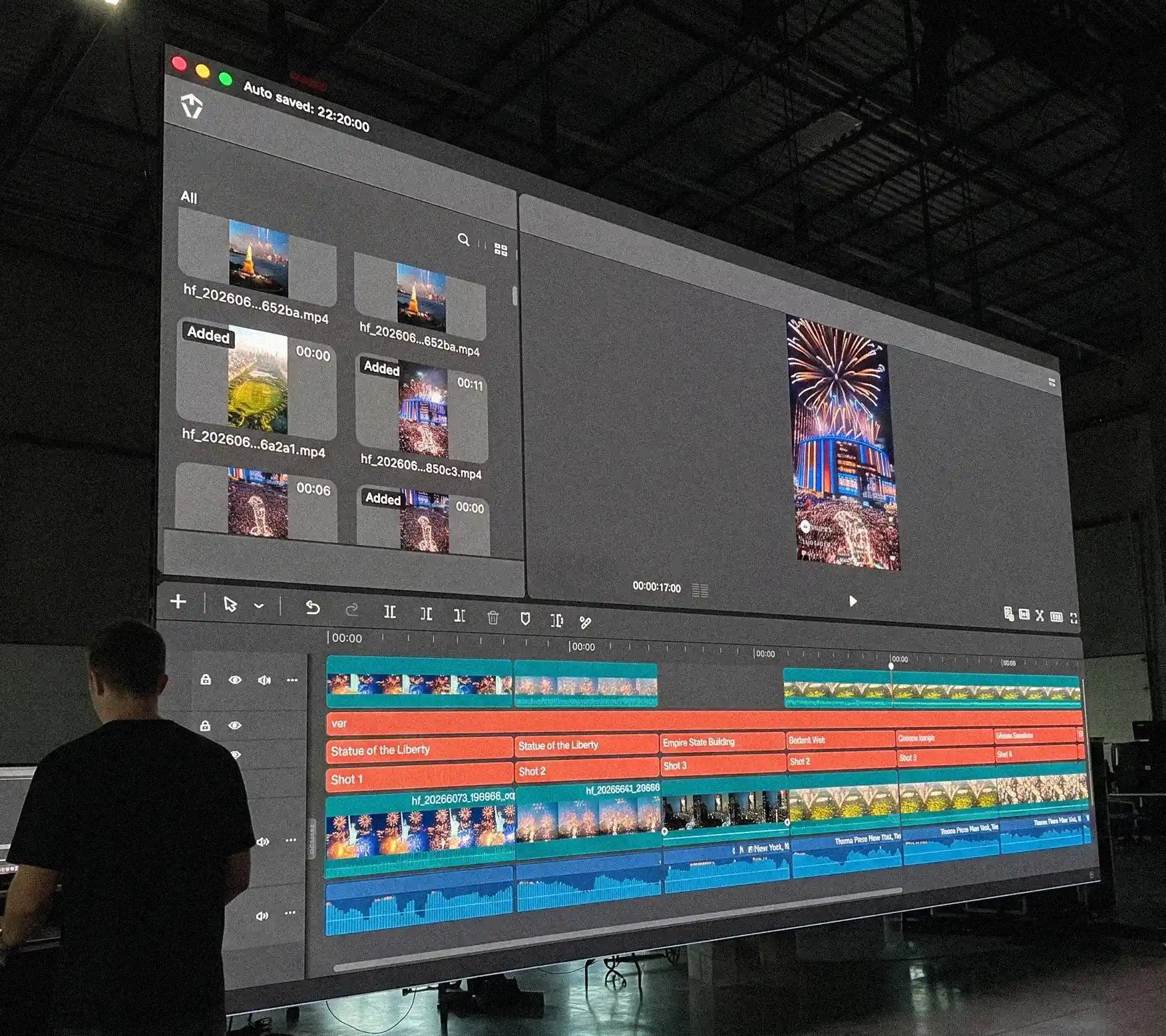
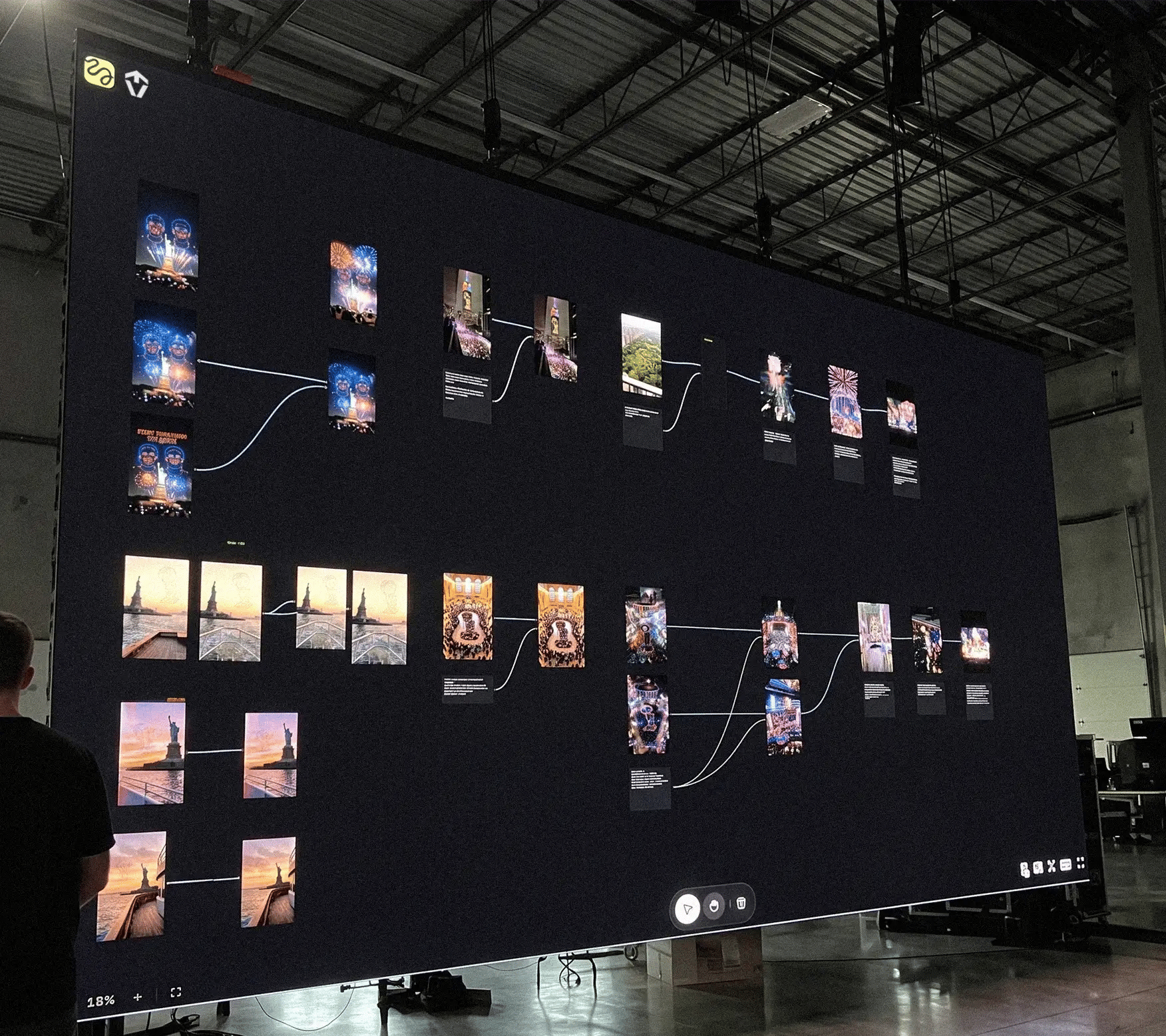
While we were still discussing ideas, we were already generating visuals live during the call. Someone would describe a shot, we'd create it on the spot, and everyone could react to the same image instead of imagining something different.
Visual language is the easiest language for people to align around. Instead of spending time explaining a scene with references, sketches, or hand gestures, we could simply generate it and ask, "Is this what you mean?"
That level of alignment happened almost instantly.
Without Higgsfield, we'd have relied on storyboard artists, mood boards, reference decks, and long creative discussions before anyone actually saw the idea.
"Higgsfield didn't just speed up production, but it accelerated the synchronization itself."
Sports content moves at the speed of the moment. How quickly did you go from concept to published video?
Five days from the initial conversation to publishing the final video.
That timeline included ideation, storyboarding, production, iteration, editing, and final delivery.
Normally, a project with this level of creative ambition would take significantly longer. What made this possible wasn't just faster rendering. It was the ability to make creative decisions much more quickly because everyone could see and react to ideas in real time.
Which specific Higgsfield tools and models did you use across this project?
For the early creative stages, we mainly used Nano Banana Pro and ChatGPT Image 2.
Those became our visual thinking tools. Before committing to a shot, we could quickly explore different compositions, camera angles, and creative directions. Instead of describing ideas, we could see them almost immediately and refine them together.
Once the storyboard was locked, Kling 3.0 became the primary production model.
We typically generated early versions in 720p because iteration speed matters much more than image quality while you're still experimenting. At that stage, we're testing creative ideas, camera movement, pacing, and prompts, not final pixels.
Once we knew a shot was working, we rerendered it in 1080p for the final edit.
SportsCenter doesn't repost just anything. What do you think made that specific video worth their attention?
It's true that ESPN and SportsCenter are connected, but ESPN publishes an enormous amount of content. Even within the same ecosystem, content still has to earn its place.
The NBA Finals is one of those rare cultural moments where millions of people are paying attention at exactly the same time.
What made this piece stand out was the same thinking that shaped it from the very beginning. We weren't trying to make a video that only celebrated the winning team. We wanted to create something that genuinely served everyone involved.
Basketball fans could discover Easter eggs and cultural references. Knicks fans could feel like the piece was made specifically for them. ESPN received a cinematic asset that elevated the moment, while SportsCenter got content that naturally encouraged engagement and conversation on their own platform.
Speed is everything in cultural moments. How many hours did Higgsfield save you on this specific project?
Higgsfield has been part of our workflow for over a year now, so it's become difficult to think about it in terms of hours saved. It's simply how we work today.
That said, if we compare this project to a traditional production pipeline from a few years ago, the difference is dramatic. Producing the same creative with the same team would have taken several weeks instead of five days. It would have required significantly more manual production, a larger crew, and a much bigger budget.
“What makes Higgsfield so valuable isn't just that it speeds up individual tasks. It speeds up the entire creative process.”
Are there any other projects you've worked on with Higgsfield that you could share?
Absolutely.
We've used Higgsfield across a wide range of projects over the past year, well beyond this campaign. There are probably ten or more that could make interesting case studies because each one explores a different part of the creative workflow and demonstrates different strengths of the platform.