Alex Shalson is the founder of One of One, an AI-native creative studio working at the intersection of sport, entertainment, and brand. With a background in technology, he built One of One from the ground up alongside his creative co-founder Jack Hershman, on the conviction that AI production could unlock a new class of storytelling for talent and IP. The studio's debut work, a complete brand world for the first official Maradona apparel label, launched under Electa Global’s exclusive license, sold out its first collection in three weeks and reached over ten million people. In this conversation, Alex walks us through the thinking behind One of One, the Maradona Official campaign, and what it actually means to use AI as a creative instrument rather than a shortcut.
Tell us about One of One. What makes your approach different from a traditional production studio?
One of One is an AI-native studio working in sport and entertainment, built around talent and IP. It came out of a pretty simple idea between me and my co-founder Jack: “Can we create content featuring the likeness of sporting talent without requiring them to be on set?” He's the creative, I come from the technology side, and we kept seeing the same thing: that AI production was about to change what's possible in storytelling for brands and talent.
The difference from a traditional studio is partly in our production method. We're AI-native, so we can move faster, at more scale, with more creative freedom. But it's really about what that unlocks. Traditional talent-led content is built entirely around the talent physically showing up, and that puts a ceiling on how much you can make and how creative you can be.
As an industry view, we believe there's a new asset class emerging: the AI rights to an individual’s likeness. When you pair that kind of rights framework with AI production and real creative direction, you can build content and brand worlds that stand alongside anything made traditionally, with far more range.
You launched the first official Maradona apparel brand around the World Cup. How did Higgsfield make it possible?
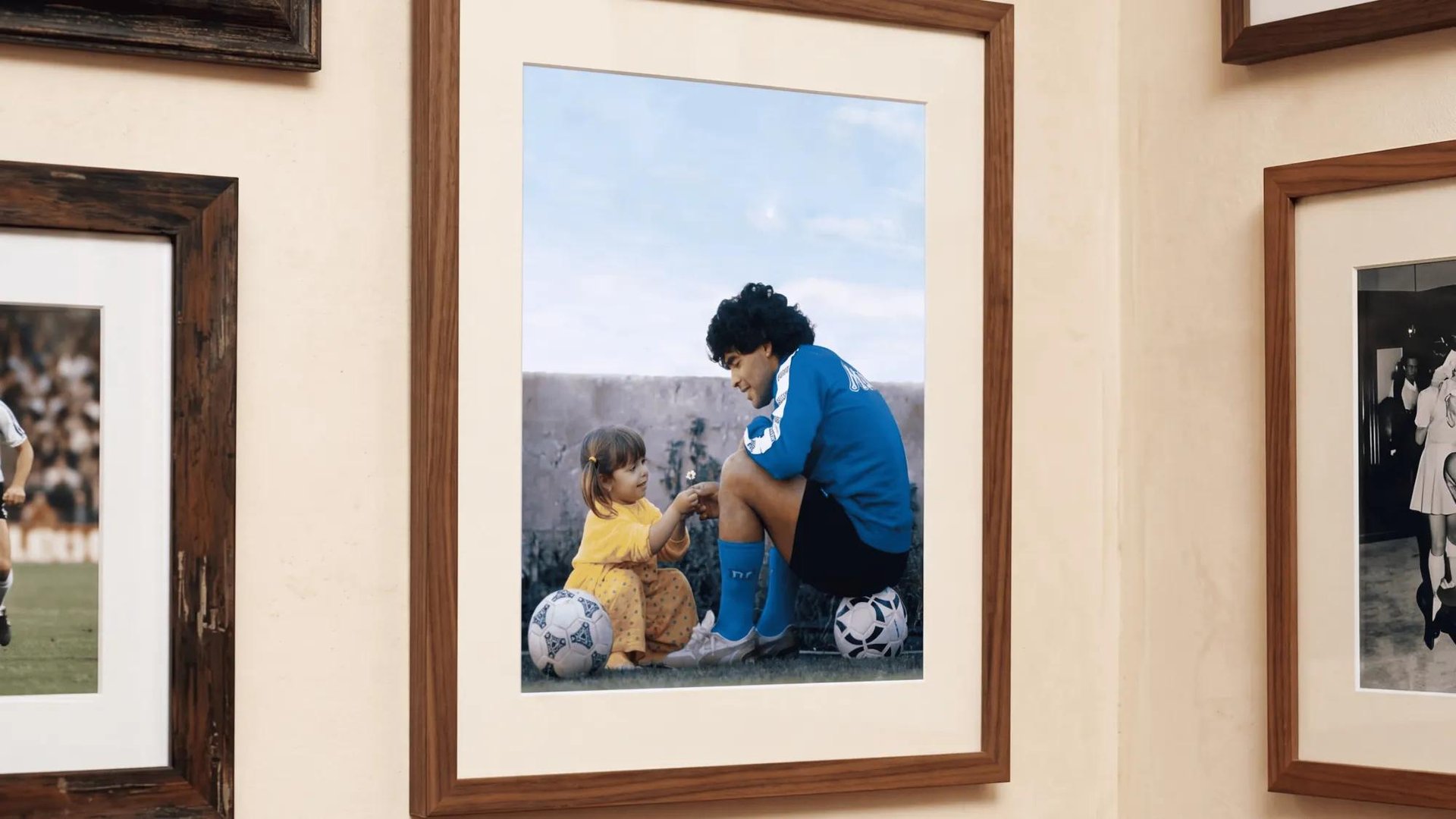
This was the launch of the first official Maradona apparel brand, produced under Electa Global’s exclusive license and timed around the World Cup, so there was real weight to it, both in the name and the moment.
Creatively, that meant going deep into the world around Maradona: the real places, symbols, memories and fan culture that shaped how people remember him. Rather than trying to manufacture new mythology, we wanted to build from the one that already existed.
The brief was to turn that into a complete brand world as one creative system, then produce everything that brought it to life across web, social, press, product imagery, campaign films and editorial.
The hard part was consistency. Keeping one visual language across all of it so it felt like a real, coherent world rather than a set of disconnected pieces. That consistency, at that volume and to that standard, is what Higgsfield made possible. We could work across image, video and motion in one platform, route to the right model for each task, and build an entire world that held together while still hitting the launch moment.
You use Higgsfield from first concept through to final delivery. What does that look like?
Higgsfield is genuinely end-to-end, but we use the platform differently at each stage.
When a brief lands, the first thing we do is creative development and art direction. Our creative team develops concepts and formats, and we use Higgsfield to visualise them — building static imagery so we can present the concept to a client as a visual storyboard, not just a written idea. That's powerful, because instead of describing a direction, we can show them what it could actually look and feel like. And the speed of iteration allows us to take their feedback and refine it quickly, so we lock the right direction together before committing to full execution.
For talent work specifically, this is also where we agree on what must remain true to the person, how they look, move and feel, which becomes the rulebook everything else follows.
Once the direction is locked, we move into execution. This is where model routing really matters. Higgsfield gives us access to the best models available for each type of asset, so we can pick the right one for stills, the right one for video, and so on, experimenting to find what serves each shot best. We stay with the platform through to final delivery: upscaling, sound, bringing it all together.
“Instead of describing a direction, we can show clients what it could actually look and feel like.”
Which specific Higgsfield tools and models did you use across the Maradona project?
Here's the toolset mapped to how we moved through the project, which might give your readers the clearest picture of the workflow
- Creative development and art direction: we used image generation to visualise concepts early and build the brand world, primarily Nano Banana Pro, Nano Banana 2 and Cinema Studio, choosing the right model for each look and task.
- Campaign and product imagery: same core image models, with Cinema Studio and the Nano Banana models doing a lot of the work for the editorial and e-commerce assets, where consistency across the collection mattered most.
- Video and motion: Seedance 2.0 and Kling v3.0 for the campaign films and animation.
What would the Maradona campaign have looked like in terms of time, cost and scope without AI in the pipeline?
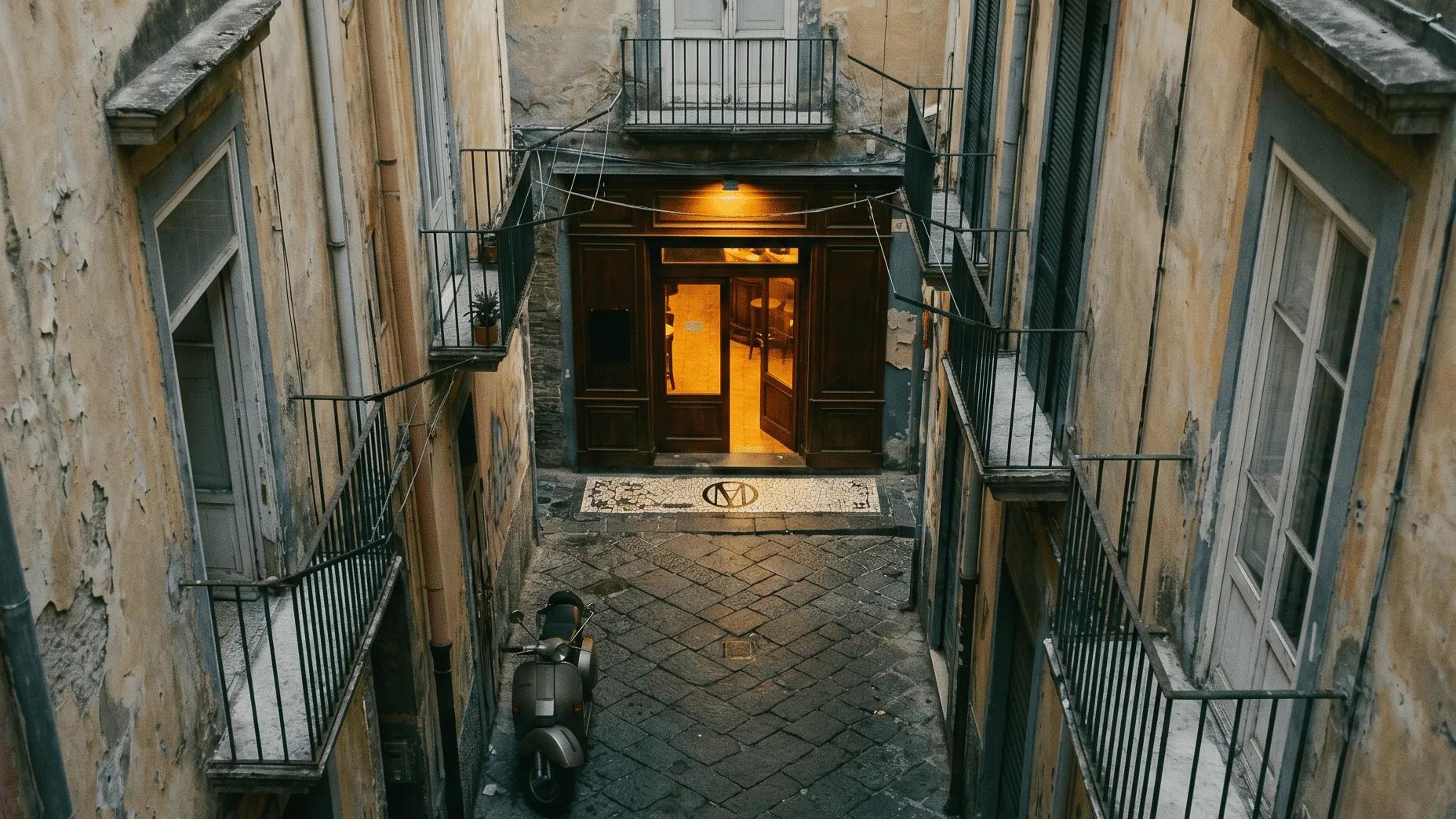
The brand world we built was rooted in the real places and culture of Maradona’s story, atmospheres like Buenos Aires and Napoli that are woven into how people remember him. The conventional way to capture that feeling would be to physically travel and shoot in those locations, with all the crews, creative, production and casting agencies who would need to be involved across different countries. You'd spend a lot of time and money before you'd shot a single frame.
The difference is that One of One is an end-to-end creative partner and Higgsfield is an end-to-end toolkit, so we could build that entire world with AI rather than physical shoots. We had a lot of workstreams running in parallel, and rather than scattering them across agencies and locations, we could create, develop and deliver the whole content system in one place, with one team. That's what let us do it to this standard, on a tight timeline, without the cost and complexity the traditional method would have demanded.
“We could build that entire world with AI rather than physical shoots.”
How do clients at this level respond when AI video is in the final output? Has the quality conversation shifted?
The quality conversation is still happening, but it's split depending on the medium. With stills, it's basically over. AI imagery now clears the bar so well that for most commercial work you wouldn't know or ask how it was made. The conversation there has genuinely shifted from "is this good enough" to "is this the right creative."
Video is earlier on that same curve. It's improving incredibly fast, and part of being a serious studio rather than a hype merchant is knowing exactly which tool clears the bar for which job, and only putting work out when it meets the standard. That discipline is actually where a lot of the trust comes from. Clients at this level can tell the difference between a studio that treats AI as magic and one that treats it as a craft.
And the proof is in how the work performs. This launch sold out its first collection in three weeks and reached over ten million people.
“Clients at this level can tell the difference between a studio that treats AI as magic and one that treats it as a craft.”
Has working with Higgsfield changed the briefs you can say yes to, or your turnaround times?
Absolutely, yes. As an AI-native studio it means we can say yes to building entire brand worlds, end to end, and commit to turnarounds that just wouldn't be possible the traditional way — weeks instead of months. It lets a lean team take on genuinely ambitious, world-building projects that would normally need a much bigger outfit, which is exactly the kind of work One of One is built for.
We're also still learning where the edges are. The technology is moving so fast that the set of briefs we can confidently say yes to is growing every month. Things that weren't quite there six months ago are there now. So part of our job is staying close to that frontier, being clear about what's genuinely ready and what isn't yet, and being honest with clients about it. The ambition is huge, but it's matched with knowing exactly what we can deliver to a real standard today and that line keeps moving in our favour.
If another studio at your level asked whether to integrate AI video, what would you tell them and warn them about?
I'd tell them they need to bring it in. The technology is so powerful, and if you're not using it you'll be left behind. But I'd warn them not to mistake the instrument for the music. The way I think about it, the individual AI models are like instruments. A platform like Higgsfield gives you the whole orchestra
“The way I think about it, the individual AI models are like instruments. A platform like Higgsfield gives you the whole orchestra.”
Every instrument you could need in one place. But an orchestra of incredible instruments doesn't make music on its own. You still need a composer who knows what to write, and a conductor who knows how to get the best out of every part. That's the role of the studio. That's where taste and craft live, and it's the thing that doesn't come out of the box.
So my advice would be: adopt the tools fast, but put your energy into becoming a better conductor. The moment everyone has access to the same orchestra, the only thing that sets you apart is what you do with it. The studios that win with AI won't be the ones who used it first, they'll be the ones with the best taste.
“The studios that win with AI won't be the ones who used it first, they'll be the ones with the best taste.”
by Higgsfield