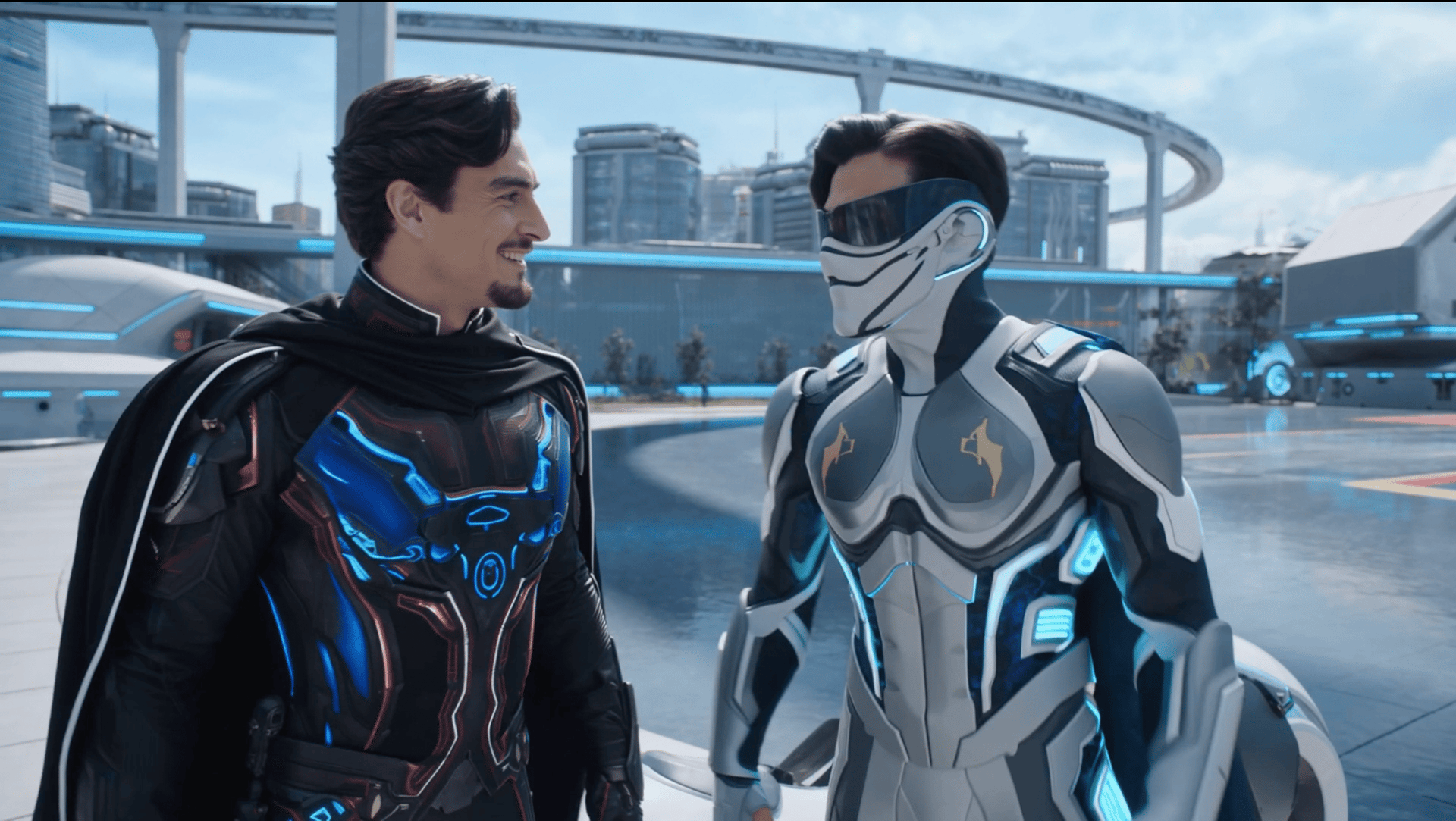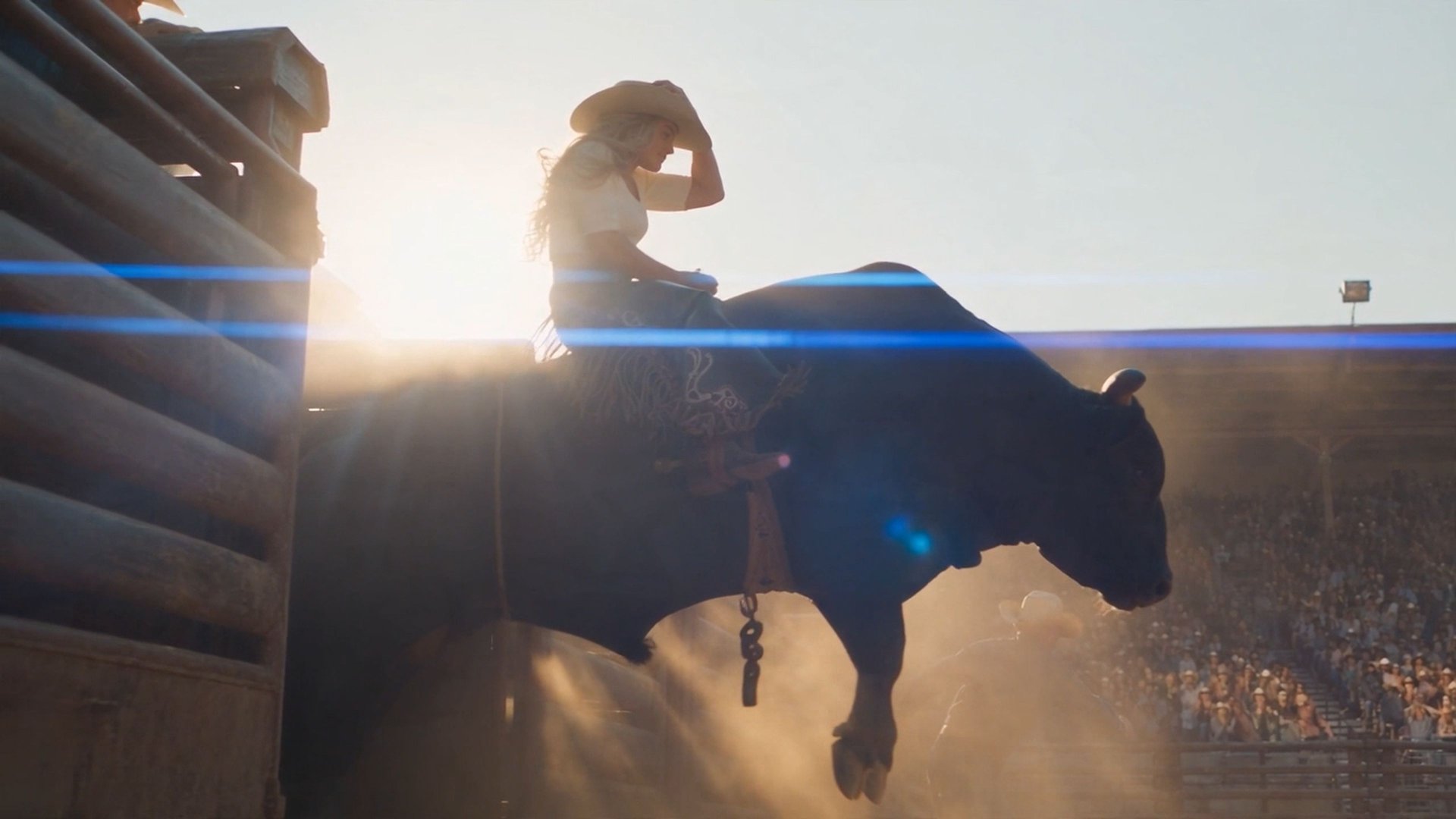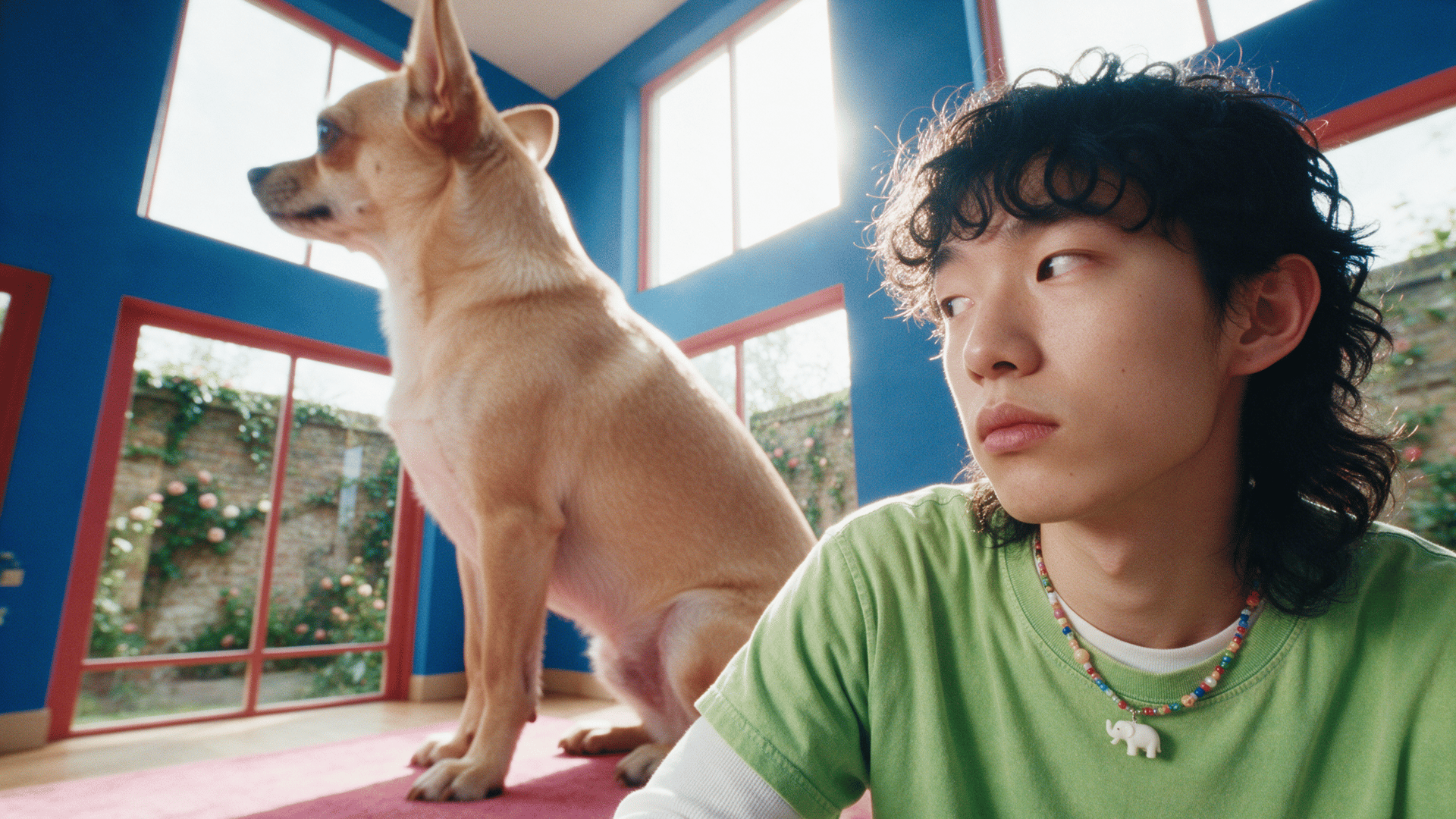
An AI video can ignore parts of what you wrote for four specific reasons. The prompt leaves choices open, a reference image covers only appearance, one dense paragraph splits the model's attention, and every extra person or beat adds interpretations. Each reason has its own practical fix. This guide explains the cause behind each one and how to correct it.
Why does the same prompt give a different result every time?
A prompt only carries what gets written into it. Everything left out, an exact age, a light source, the end point of a camera move, still gets decided, just by the model instead of by you. That's why the same wording gives a slightly different result on every run. The model is closing whatever the prompt left open.
A reference image fixes appearance. It shows what a face or a room looks like, but says nothing about how a hand moves, where the light falls a second later, or where the camera ends up by the last frame. Without a written brief covering that half of the shot, the model is guessing at it regardless of how strong the reference is.
Detail competes for the model's attention. A single dense paragraph trying to cover the face, the gesture, the lighting, and the camera all at once forces the model to split its attention, and hands, expressions, and exact positioning are usually what suffers for it.
Every extra person and every extra beat multiplies this. A single person in a static shot only has to hold up under one interpretation. Five people, a moving camera, and several lines of dialogue is five or six interpretations running at once, and one of them drifting is enough to break the scene.
What are the most common AI video prompt mistakes?
Mistake | Why It Happens | The Fix |
|---|---|---|
Characters look plastic or fake | Described only in general terms, no reference or distinguishing detail | Exact age, build, and clothing, backed by a reference or a trained Soul ID |
Extra fingers, fused hands, AI slop | Points of contact were never specified, so the model fills them in on its own | Name where every object sits and exactly how hands make contact |
Wrong emotion, unclear what's happening | Only the general idea of the scene was written, not a visible expression | Tie the emotion to a specific action: a gaze, a held breath, a sigh |
Atmosphere and lighting miss the mood | Light source, angle, and time of day never named | State them directly, or set genre and lighting as parameters in Cinema Studio |
Unnatural movement | Motion described as one adjective instead of an actual path | Spell out the turn, tilt, and angle, or lock it as a Cinema Studio setting |
Camera clutter, lost focal point | Shot list names angles but not what each shot is for | Give every shot one job and cut what doesn't serve it |
Characters lose their positions in complex scenes | Only the overall idea is written, not who stands where | Storyboard the scene in Popcorn before generating the full sequence |
How do I write a strong AI video prompt?
A strong prompt is closer to a shot list a crew could work from than to a description. Follow these in order and most of the seven mistakes below never get a chance to happen.
Step 1: Set the scene and lock the cast. Name the setting, the duration, and whether it's meant to feel real-time or stylized. Then give each person an exact age, build, and outfit, plus one distinguishing detail, and say plainly that these stay identical across every cut. For a face that needs to reappear in other videos, train it once in Soul ID instead of redescribing it here.
Step 2: Block the scene before writing any action. Say where each person or object sits relative to the others and to the camera, and which direction they move. Keep that direction and the camera's side consistent through the whole scene, so nothing flips sides partway through.
Step 3: Define the camera as a physical setup, not a mood. Field of view, distance from the subject, and whether the camera is static, handheld, or moving, with the movement type named directly rather than described as "dynamic." Where it's available, set this directly in Cinema Studio instead of writing it out.
Step 4: Write the action as a shot list, one beat at a time. Give each beat one clear action, described as a start position and an end position rather than a mood word. In the same pass, name every point of contact, a hand on a shoulder, fingers around an object, since this is exactly where extra fingers or fused hands come from if it's left unsaid.
Step 5: Set physics and lighting as real events. Say how things should behave under weight and gravity, fabric, fire, water, a body catching itself, so movement reads as physical rather than simulated. Light gets the same treatment: one named source, one direction, one color, with anything that shouldn't double up, a second sun, a stray flare, ruled out directly.
Step 6: Decide the audio and the finish. State what's actually heard, whose line belongs to whom, and whether music plays at all. Close with the visual reference, a film stock, a grain level, a color grade, and rule out what shouldn't appear: no text, no logos, no watermarks.
For anything with more than one character or more than one beat, this same information still applies, it's just worth planning as a storyboard before the full sequence gets generated, rather than writing all of it into one long paragraph.
Here's where that plays out in practice. The seven mistakes below fall into those same three groups: the first three come from an underdescribed subject, the next three from an undefined camera, light, or movement, and the last from a scene that was never blocked. Each one below has the prompt that caused it and the rewrite that fixes it.
Why do my AI characters look plastic or fake?
A character described only in general terms gets reinvented on every generation. "A group of friends around a fire" leaves age, posture, and face entirely open, and the model answers that differently each time it runs. The plastic look comes from exactly that, nobody told the model who these people are in enough detail to recognize them a second time.
Bad prompt: five friends at a campfire, cast left open, no assets attached.